
Search
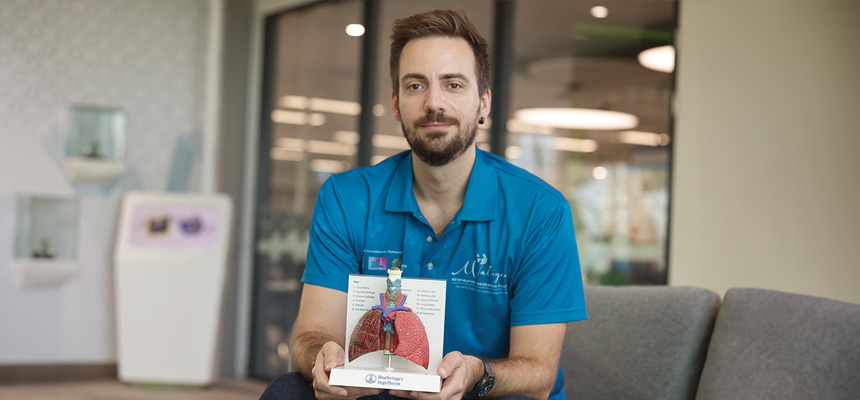
An exciting study is investigating whether a new therapeutic treatment for asthma will protect young sufferers from ongoing lung damage and improve their long-term health outcomes.
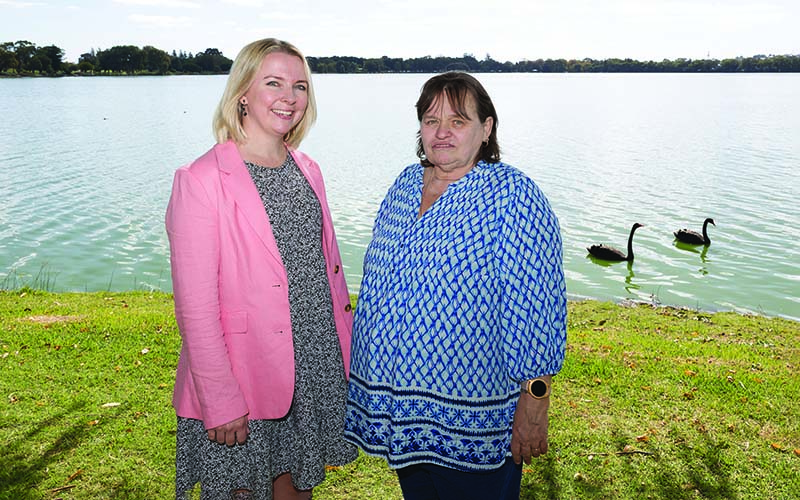
In Aboriginal culture, water is life, holding powerful spiritual and cultural significance and acting as a vital source of connection, food and medicine.
Asthma affects more than 300 million people worldwide and is frequently associated with other medical conditions in adults, including chronic obstructive pulmonary disease, ischaemic heart disease, and stroke. Despite the huge burden, there has been little progress toward prevention and cure, possibly related to a one-size-fits-all approach.
Asthma affects > 10% of children in Australia and New Zealand (NZ), with up to 5% of those having severe disease, presenting a management challenge. We aimed to survey tertiary paediatric respiratory services across Australia and NZ using a custom-designed questionnaire, to conduct a cross-sectional observational study of the numbers of children with problematic severe asthma seen, the number treated with biologic therapy, outpatient clinic/multidisciplinary team services available, investigations and tools routinely used and approaches utilised for transition to adult care.
Allergic sensitization and reduced ability to respond to viral infections may contribute to virus-induced wheeze and asthma development in young children. Plasmacytoid dendritic cells (pDC) are rare immune cells that produce type I interferons (IFN-I) and play a key role in orchestrating immune responses against viruses.
Despite recent improvements in treatment modalities for cystic fibrosis (CF), there is currently limited evidence and a lack of consensus regarding optimal treatment strategies for the different aspects of CF, including pulmonary exacerbations (PEx). We aimed to establish a prospective cohort of people with CF (pwCF) to evaluate alternative approaches to managing CF in the era of modulator therapies.
Autistic adolescents are vulnerable to sleep difficulties, with up to 80 % experiencing sleep problems, most commonly insomnia. Little is known about how autistic adolescents are involved in their own sleep treatment, and their depth of knowledge about their sleep difficulties. The aims of this study were to investigate autistic adolescent and parent perspectives of experiencing and managing insomnia, and what factors influence the development of these perspectives on insomnia and treatment.
Alexander Larcombe BScEnv (Hons) PhD Honorary Research Fellow Honorary Research Fellow Associate Professor Alexander Larcombe began work at The Kids
Culturally safe healthcare approaches are important to improve outcomes of Indigenous people. Non-Indigenous clinicians are often ill-prepared to provide such healthcare. The NHMRC Centre for Research Excellence (CRE) especially for First Nations Children has been studying for several years how to improve clinical care for Indigenous children with respiratory disease in hospital, clinic, urban, rural and remote settings.
Avian influenza viruses (AIVs) pose a growing global health threat, particularly in low- and middle-income countries (LMICs), where limited surveillance capacity and under-resourced healthcare systems hinder timely detection and response. Migratory birds play a significant role in the transboundary spread of AIVs, yet data from key regions along migratory flyways remain sparse. To address these surveillance gaps, we conducted a study between December 2021 and February 2023 using fresh bird guano collected across 10 countries in the Global South.