
Search
Robust evaluation is critical for understanding and enhancing the impact of health promotion initiatives. However, many community-based organisations face challenges in planning and conducting evaluation due to limitations in knowledge, resources, and the applicability of existing evaluation frameworks. The Healthway Evaluation Framework, and its accompanying practical Measurement Toolkit, was designed to support evaluation planning, implementation, and reporting across diverse health promotion programs and settings.
International guidelines recommend multidisciplinary intervention programs for addressing childhood obesity. In Western Australia, community-based healthy lifestyle programs for children and young people are insufficient for demand, especially for those over-represented in obesity statistics relating to prevalence. This protocol outlines the implementation and evaluation of an adapted, evidenced, community-based program in Perth, Western Australia.
Despite evidence suggesting regular exercise (i.e. structured, repetitive and purposeful physical activity) attenuates cardiac patients’ decline in health, our understanding of factors affecting long-term exercise participation among this patient cohort is limited. This problem is pertinent, given that less than half of cardiac patients adhere to exercise following discharge from formal exercise-based rehabilitation programmes. In this study, we explored factors influencing exercise participation after an outpatient cardiac rehabilitation programme.
Adaptive behaviour change is central to improving population health, yet poor adoption of health-enhancing behaviours contributes to noncommunicable diseases and so remains a global concern. Research on physical activity behaviour change has continued to expand and evolve since the turn of the millennium, guided by diverse theoretical approaches-from social cognitive theories, organismic dialectical approaches such as Self-Determination Theory, dual-process frameworks, and integrated practical models and taxonomies.
Physical activity can support physical and mental health among children living with chronic health conditions; however, programmes must be tailored to their specific needs to support participation.
Trans young people report lower levels of physical activity than their cisgender peers, with one in four limiting exercise participation due to their gender. Exercise provision within gender-affirming services represents an underexplored strategy to support health and wellbeing.
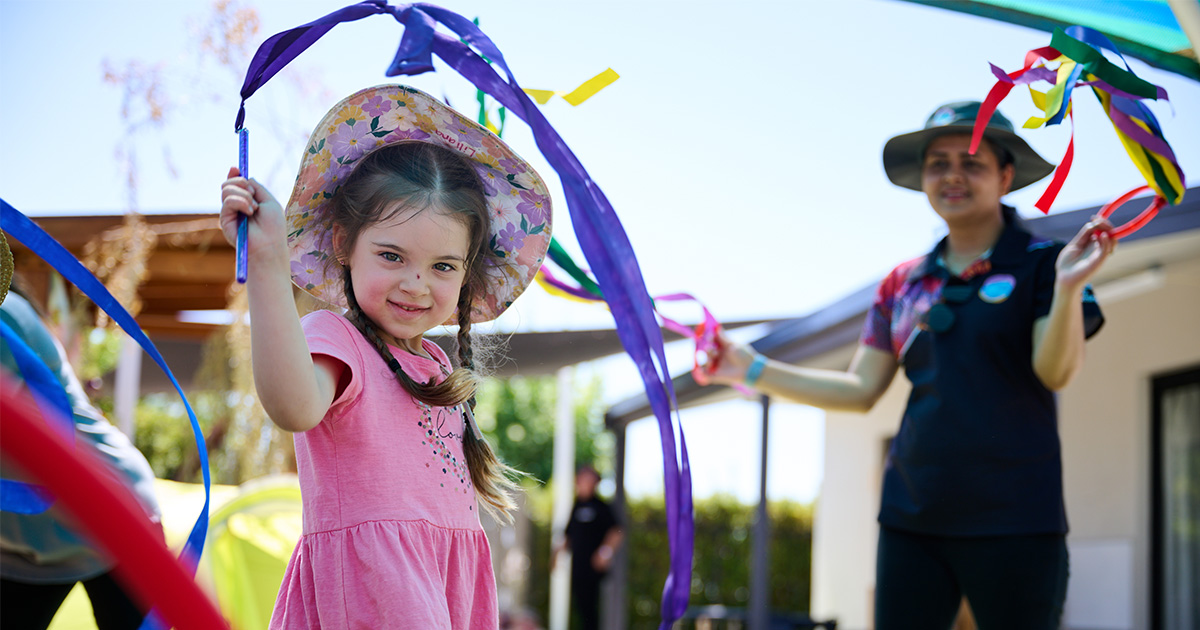
More than 80,000 Australian children are expected to benefit as 700 childcare centres across the country trial a new program aimed at boosting declining physical activity levels.

The Kids Research Institute Australia and The University of Western Australia researchers have been awarded more than $1 million in funding from Healthway, for projects to improve the mental health of LGBTQA+ young people, encourage early physical activity in childcare centres and create healthier local environme
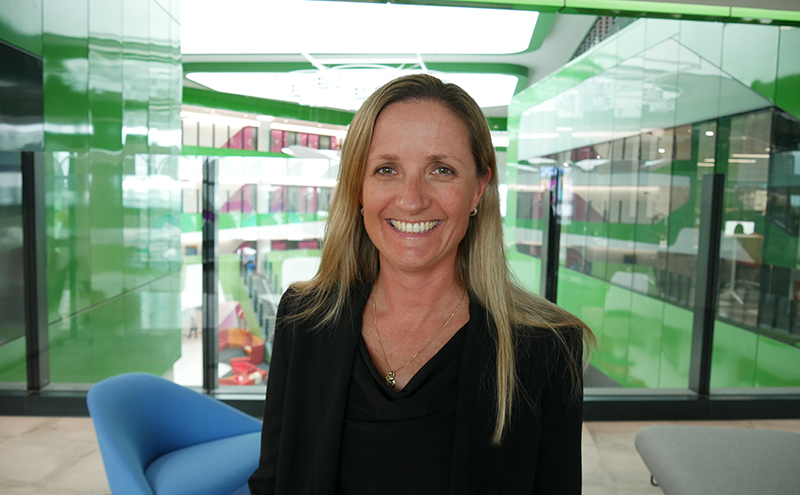
A The Kids Research Institute Australia researcher focused on promoting more active childhoods to improve child health and wellbeing will be named amongst WA’s most outstanding young scientists at the upcoming 2020 Young Tall Poppy Science Awards.
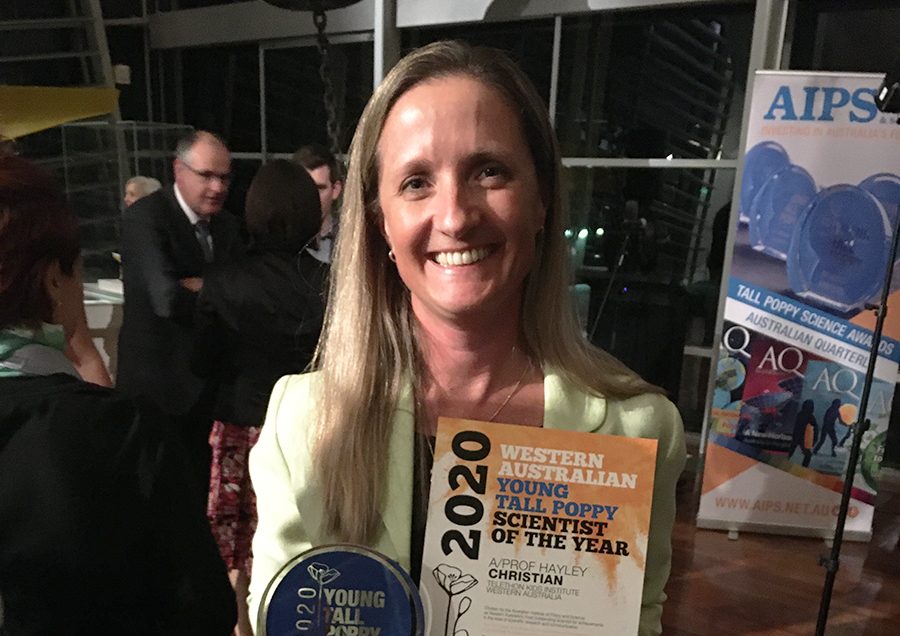
The Kids Research Institute Australia and University of Western Australia physical activity researcher Hayley Christian has been named Young Tall Poppy Scientist of the Year at the 2020 WA Young Tall Poppy Science Awards.