
Search
The structures and functions of organelles in cells depend on each other but have not been systematically explored. We established stable knockout cell lines of peroxisomal, Golgi and endoplasmic reticulum genes identified in a whole-genome CRISPR knockout screen for inducers of mitochondrial biogenesis stress, showing that defects in peroxisome, Golgi and endoplasmic reticulum metabolism disrupt mitochondrial structure and function.
Breakdown of mitochondrial proteostasis activates quality control pathways including the mitochondrial unfolded protein response (UPRmt) and PINK1/Parkin mitophagy. However, beyond the up-regulation of chaperones and proteases, we have a limited understanding of how the UPRmt remodels and restores damaged mitochondrial proteomes.
The presence of membrane-bound organelles with specific functions is one of the main hallmarks of eukaryotic cells. Organelle membranes are composed of specific lipids that govern their function and interorganelle communication. Discoveries in cell biology using imaging and omic technologies have revealed the mechanisms that drive membrane remodeling, organelle contact sites, and metabolite exchange.
Base editing technologies enable programmable single-nucleotide changes in target DNA without double-stranded DNA breaks. Adenine base editors (ABEs) allow precise conversion of adenine to guanine. However, limited availability of optimized deaminases as well as their variable efficiencies across different target sequences can limit the ability of ABEs to achieve effective adenine editing.
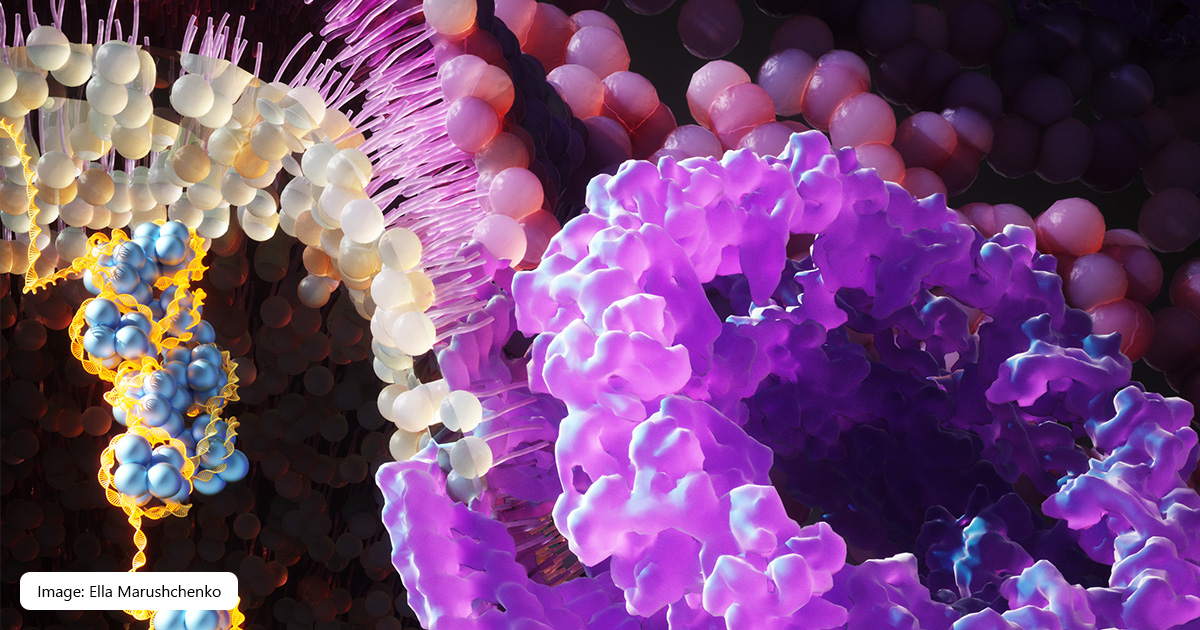
Australian researchers have developed a new method to ‘wipe the memory’ of reprogrammed human cells to better mimic embryonic stem cells, in a discovery that has significant implications for the treatment of several serious diseases.
Expression of the compact mitochondrial genome is regulated by nuclear encoded, mitochondrially localized RNA-binding proteins (RBPs). RBPs regulate the lifecycles of mitochondrial RNAs from transcription to degradation by mediating RNA processing, maturation, stability and translation. The Fas-activated serine/threonine kinase (FASTK) family of RBPs has been shown to regulate and fine-tune discrete aspects of mitochondrial gene expression.
RNA-binding proteins and mitochondrial ribosomes have been found to be linchpins of mitochondrial gene expression in health and disease. The expanding repertoire of proteins that bind and regulate the mitochondrial transcriptome has necessitated the development of new tools and methods to examine their molecular functions.
The ability to balance conflicting functional demands is critical for ensuring organismal survival. The transcription and repair of the mitochondrial genome requires separate enzymatic activities that can sterically compete, suggesting a life-long trade-off between these two processes.
Mutations in the TANGO2 gene cause an autosomal recessive disorder characterised by developmental delay, stress-induced episodic rhabdomyolysis, and cardiac arrhythmias along with severe metabolic crises. Although TANGO2 mutations result in a well characterised disease pathology, the function of TANGO2 is still unknown.
The genetic code that specifies the identity of amino acids incorporated into proteins during protein synthesis is almost universally conserved. Mitochondrial genomes feature deviations from the standard genetic code, including the reassignment of two arginine codons to stop codons.