
Search
Aboriginal young people are experts in their own experience and are best placed to identify the solutions to their mental health and wellbeing needs. Given that Aboriginal young people experience high rates of mental health concerns and are less likely than non-Indigenous young people to access mental health services, co-design and evaluation of appropriate mental health care is a priority.
The transition to parenthood is a high-risk period for many parents and is an important period for child development. Research has identified that parental mental health, reflective functioning (capacity to consider mental states of oneself and others) and coparenting (capacity to work together well as a parenting team) may be particularly significant predictors of later child outcomes, however these factors have seldom been considered together.
Young people are more likely to be affected by suicide contagion, and there are concerns about the role social media plays in the development and maintenance of suicide clusters or in facilitating imitative suicidal behavior. However, social media also presents an opportunity to provide real-time and age-appropriate suicide prevention information, which could be an important component of suicide postvention activities.
The Perth Alexithymia Questionnaire (PAQ) is a 24-item self-report measure of alexithymia. Originally developed in English, it was designed to try to enable more comprehensive (i.e., facet-level and valence-specific) alexithymia assessments. This study aimed to introduce and validate a Polish version of the PAQ. Our sample were 1,008 people (69.44% females, 30.06% males and 0.50% non-binary) aged 18-78 (M = 29.69, SD = 14.15) from the general community.
School bullying is a public health concern affecting the physical and mental health of children and young people. While school-based interventions to prevent bullying have been developed internationally, the effectiveness of many interventions has been mixed and modest.
Australian Aboriginal people experience stressors from inequalities across crucial social determinants, including deep and entrenched disadvantage and exclusion. The impact of unaddressed historical issues is pervasive and intergenerational. The disproportionate rates of Aboriginal youth suicide, juvenile detention and imprisonment highlight the inadequacy of existing social and emotional wellbeing programs and services for Aboriginal children and young people.
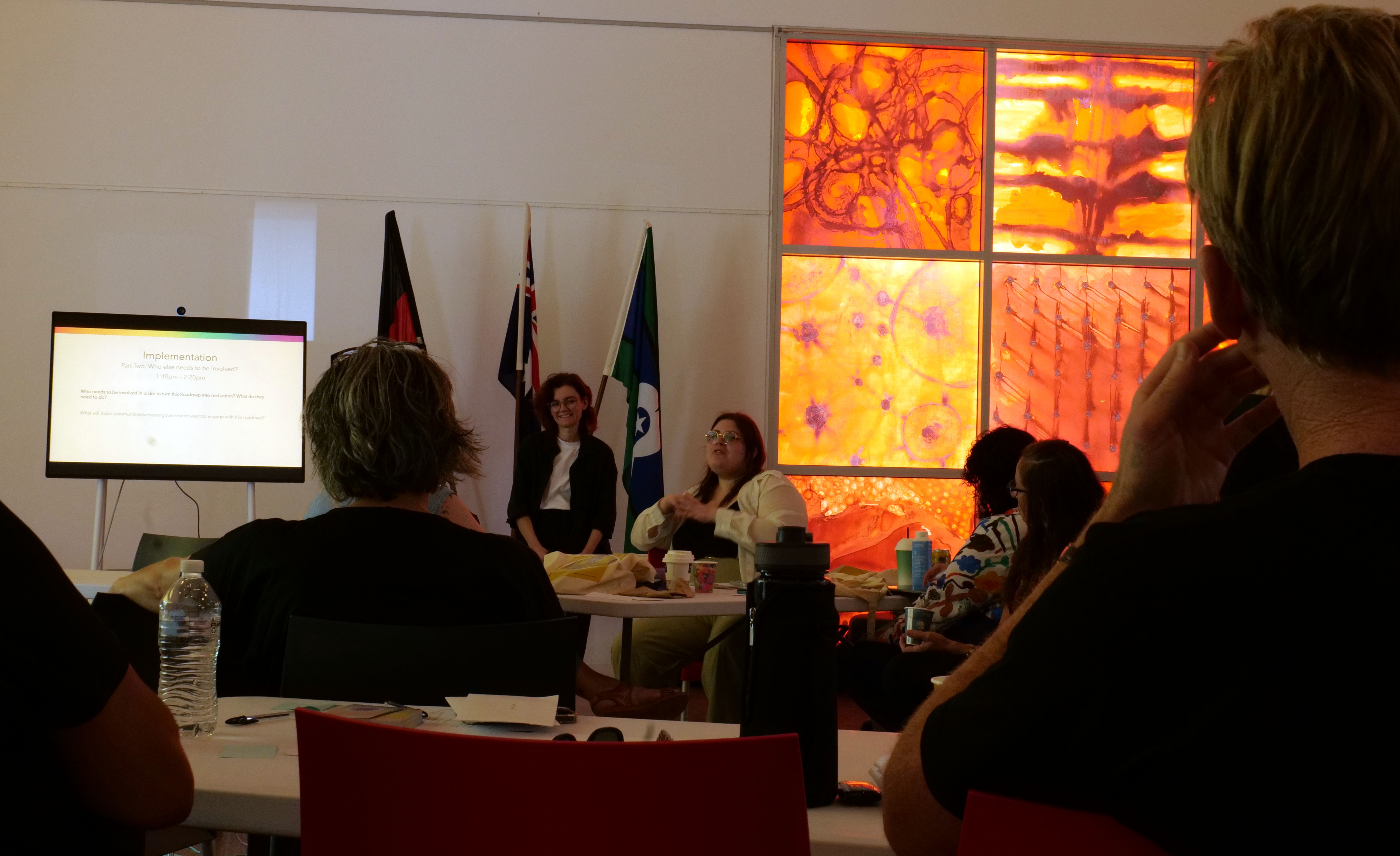
Walkern Katatdjin researcher and lead author Mx Shakara Liddelow-Hunt leads a conversation with the community on the key actions to include in the Roadmap.

Senior Research Officer

PhD Candidate

Project Coordinator