
Search
Perioperative respiratory adverse events (PRAE) are a main cause of morbidity and mortality in paediatric anaesthesia. Clinicians need to be able to predict their patients' risk of PRAE to plan their care. Clinical risk prediction tools have been developed to assist with pre-operative risk stratification; however, validation outside the contexts of their development is limited. In this study, we test the ability of common risk prediction tools to identify patients at high risk of PRAE in general anaesthesia.
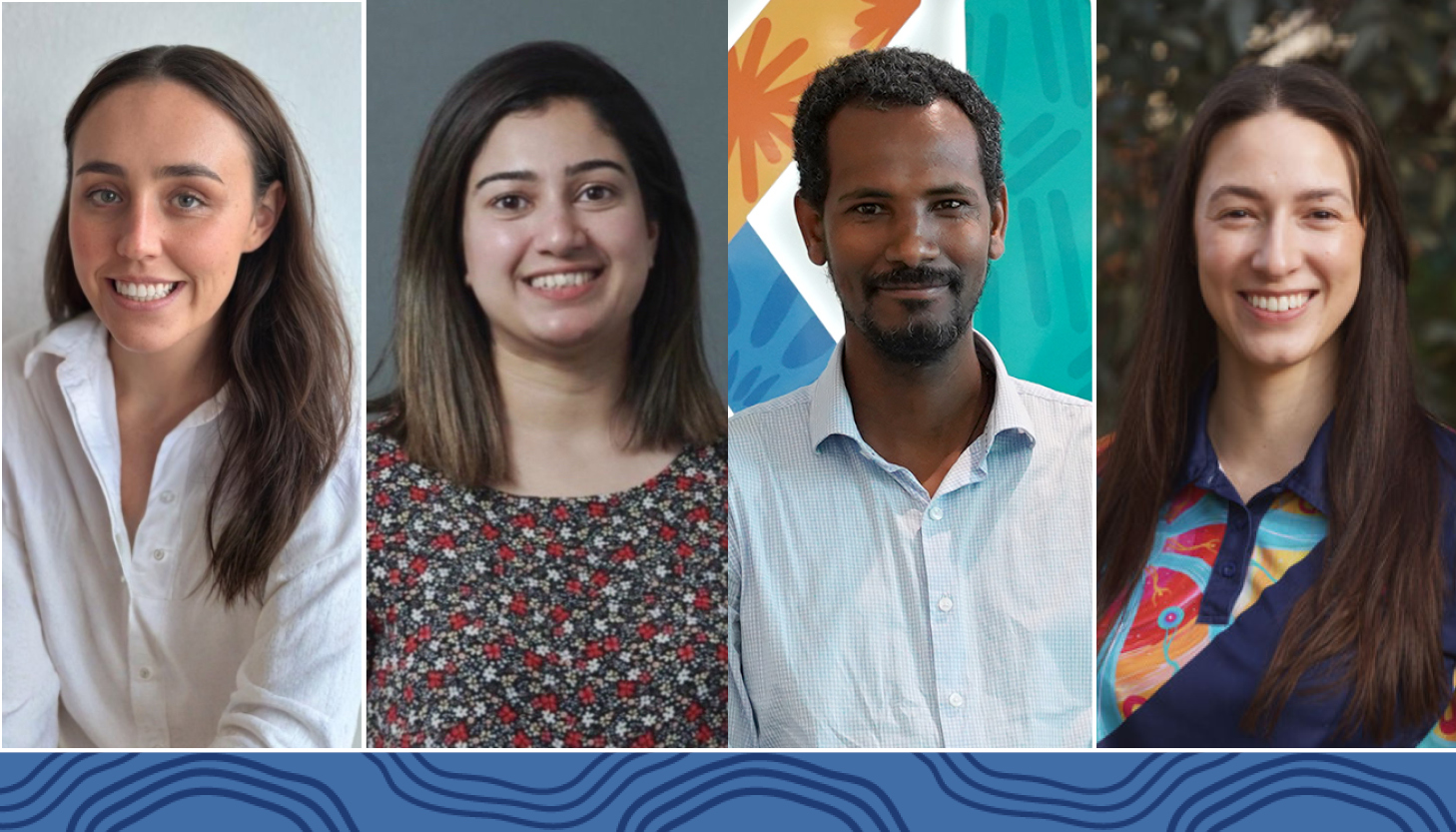
Congratulations to four outstanding early-career researchers from The Kids Research Institute Australia, who have been awarded BrightSpark Foundation fellowships and project funding for 2026.
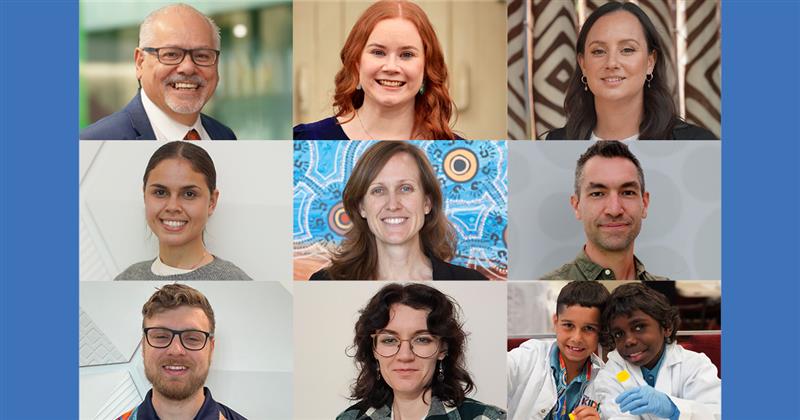
Eight outstanding researchers from The Kids Research Institute Australia and the Institute-led Broome STEM Festival are finalists in the 2025 Premier’s Science Awards.
Researchers at The Kids Research Institute Australia are working with boys and young men in regional areas to help stamp out technology-based abuse of girls and young women.
Researchers from The Kids Research Institute Australia have contributed to a landmark study revealing climate change will have a detrimental impact on one of the greatest threats to the health of children in the Global south – diarrhoea.

The Kids Research Institute Australia has been awarded a prestigious National Health and Medical Research Council (NHMRC) tender to lead the national review of the revised Draft Statement on Consumer and Community Involvement in Health and Medical Research.
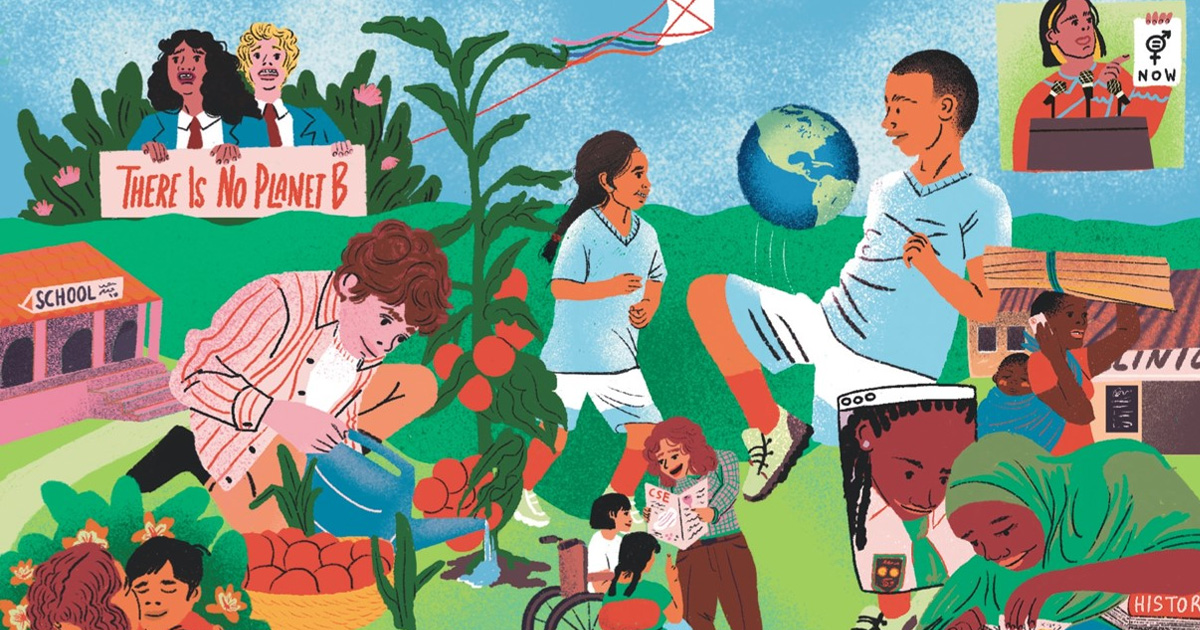
The health of the world’s 1.96 billion adolescents is at a critical tipping point.
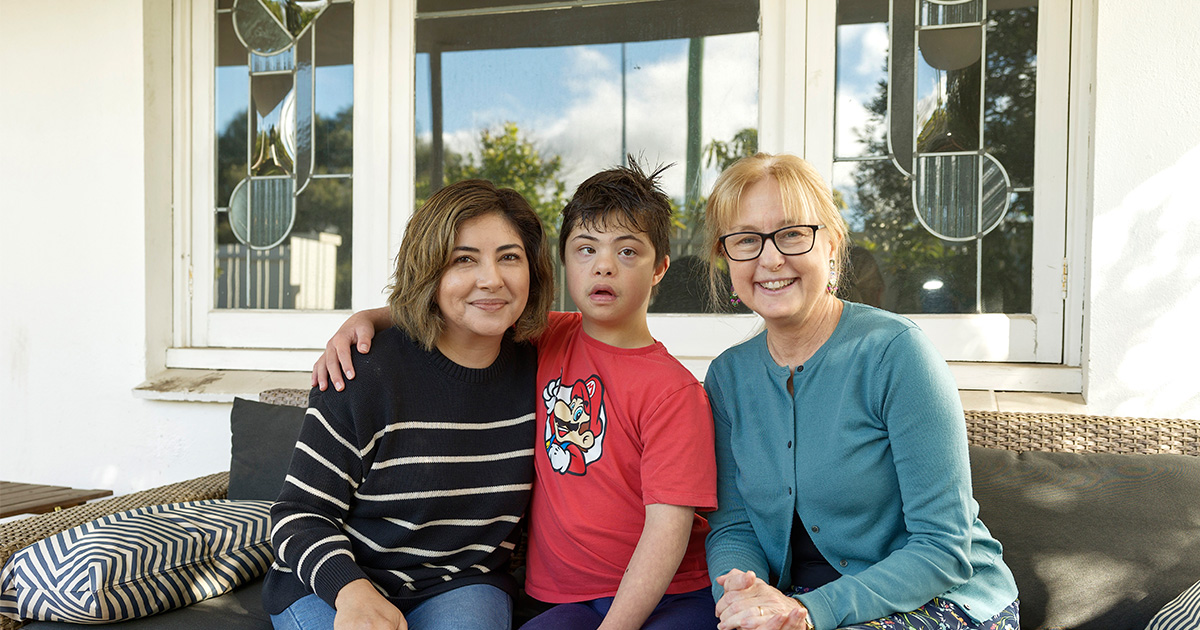
Today, on World Down Syndrome Day, we celebrate the lives, achievements, and invaluable contributions of people with Down syndrome.
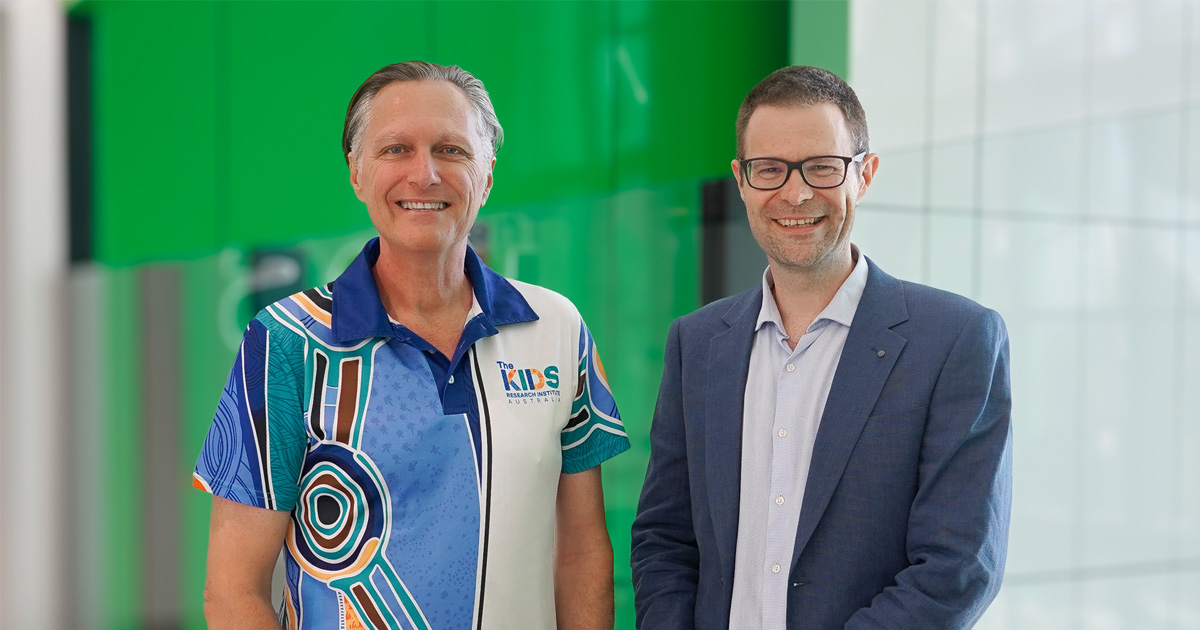
Professor Andrew Whitehouse, the Angela Wright Bennett Professor of Autism Research and CliniKids Director, has been appointed Deputy Director (Research) at The Kids Research Institute Australia.
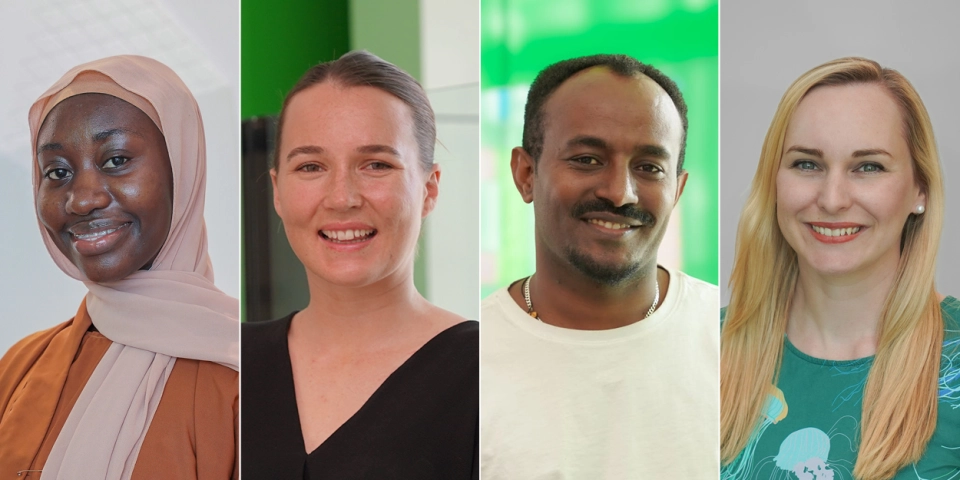
We are pleased to announce latest recipients of the Stan and Jean Perron Awards, that recognise the work of exceptional postgraduate students who are undertaking their research projects at The Kids Research Institute Australia.