
Search
This study used qualitative methods to investigate the regaining of mobility in 12 months following fractures in Rett syndrome and parent caregiver experiences.
There were differences in the presentation of clinical features occurring in the CDKL5 disorder and in Rett syndrome.
We investigated the impact of spinal fusion on survival and risk of severe lower respiratory tract infection in Rett syndrome.
Perspectives of parents are integral to the assessment of communication abilities and inform communication interventions for girls and women with Rett Syndrome
Bone mass and density are low in females with Rett syndrome.
Gastrostomy assisted the management of feeding difficulties and poor weight gain, and was acceptable to families
This study investigated the capacity of three accelerometer-type devices to measure walking activity in Rett syndrome
A comprehensive picture of the regulatory regions of the three genes involved in Rett Syndrome

Improving the lives of children with a disability and their families sits at the core of our team.
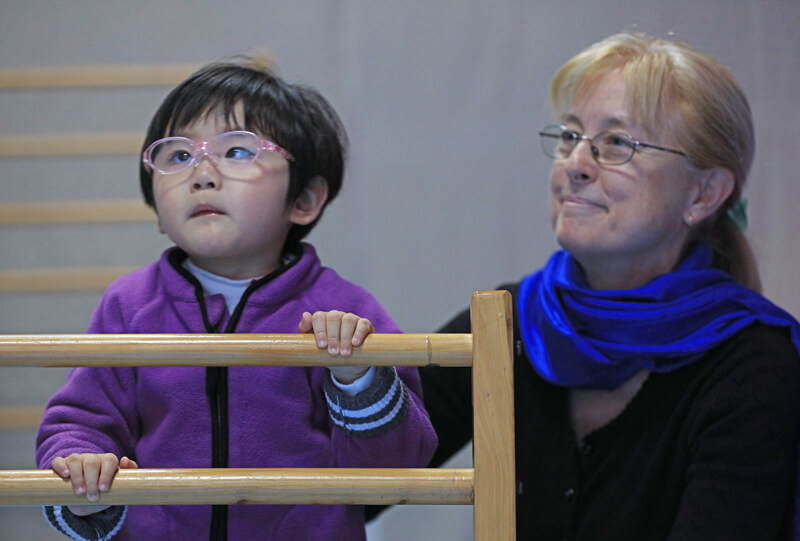
A program developed by The Kids Research Institute Australia researcher Dr Jenny Downs has led to dramatic improvements in the functioning of Chinese children with Rett syndrome, and could change the world.