
Search
Demonstrate mucosal bacterial infection in children with otitis media with effusion (OME).
Honorary Emeritus Fellow
Program Manager
Tamara Chris Valerie Veselinovic Brennan-Jones Swift BSc(Hons) MClinAud PhD PhD Clinical Research Fellow Head, Ear and Hearing Health Aboriginal
Tonsillectomy and adenoidectomy are two of the most commonly performed ENT procedures in children, with over 500,000 cases performed annually in the United States. Whilst generally considered a safe and well-tolerated operation, it is not without its risks and complications including pain, nausea, anorexia and most importantly bleeding and post-tonsillectomy haemorrhage.
A The Kids Research Institute Australia ear health researcher has received a prestigious national fellowship to support her search for new therapies to improve the lives of kids who suffer repeat middle ear infections.
Two The Kids Research Institute Australia researchers have been named as finalists in the 2020 Western Australian Premier’s Science Awards.
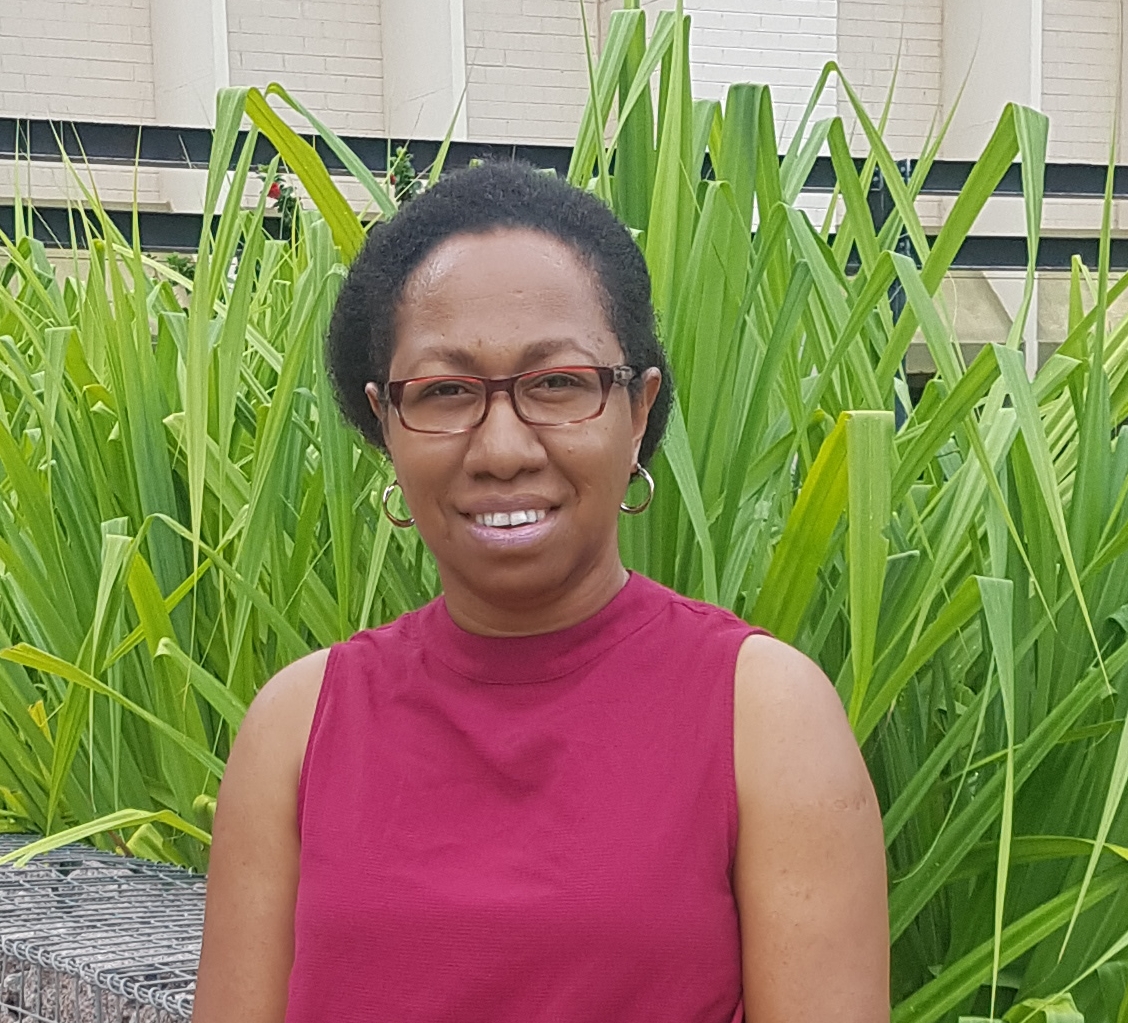
Congratulations goes to Celestine Aho, the inaugural winner of the $30,000 Deborah Lehmann Research Award.
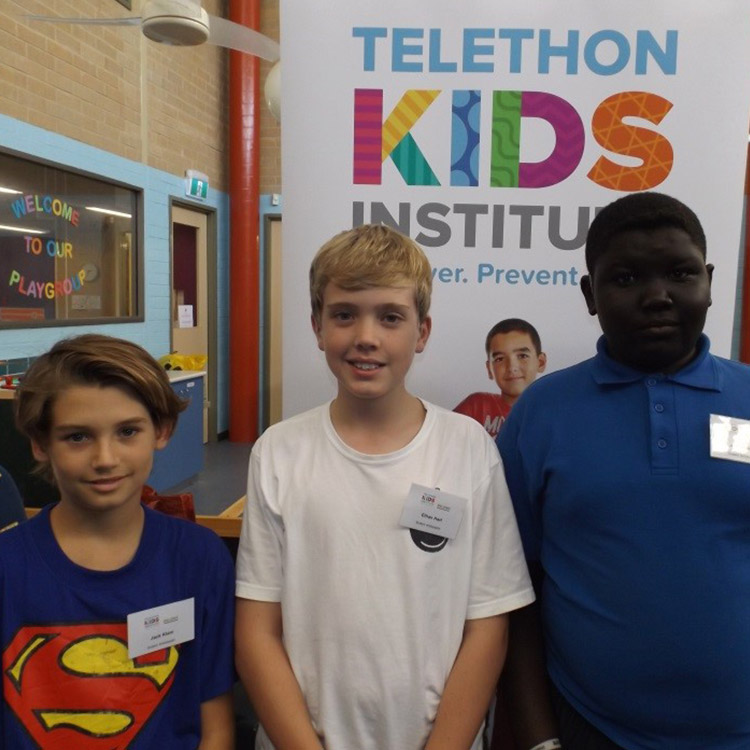
Ethan recently took part in Belong, a study led by The Kids which aims to ensure deaf and hard of hearing kids have a happy & positive school experience
Acknowledging the enormous efforts in ear health programs across WA, we invite stakeholders to assist us in establishing research priorities.