
Search
New research from the Telethon Institute has shown that children with an intellectual disability are up to 10x more likely to be admitted to hospital.

Principal Research Fellow
A project led by The Kids Research Institute Australia’s child disability team will seek to reduce potentially preventable hospitalisations and build health literacy for children and young people with intellectual disability.
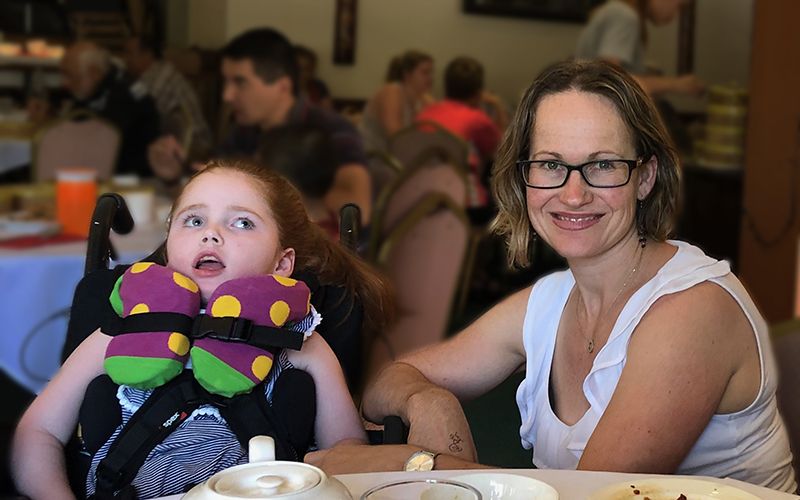
Children with intellectual disability who underwent gastrostomy – a feeding tube placed into the stomach – had better overall health and fewer hospitalisations for all causes except acute respiratory illnesses, research led by The Kids Research Institute Australia has found.
A severe neurodevelopmental disorder mostly affecting girls.

While individual diseases are rare, as a group, rare diseases are common. Recent estimates suggest that between 3% and 6% of the world’s population are affected by rare disease.
About 2 per cent of children are estimated to have an intellectual disability. The cause of the condition is unknown in at least 50 per cent of cases.