
Search
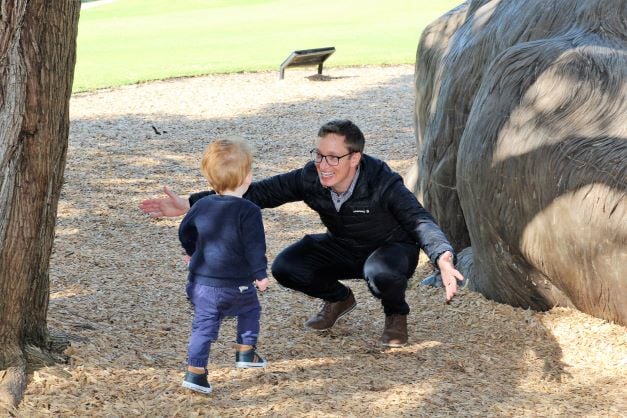
Exploring the challenges to mental and physical health fathers face during their transition to parenthood.

The Mums Minds Matter study is comparing three stress-reduction training programs across a custom-designed app that is working to increase long-term mental health skill application among perinatal women.
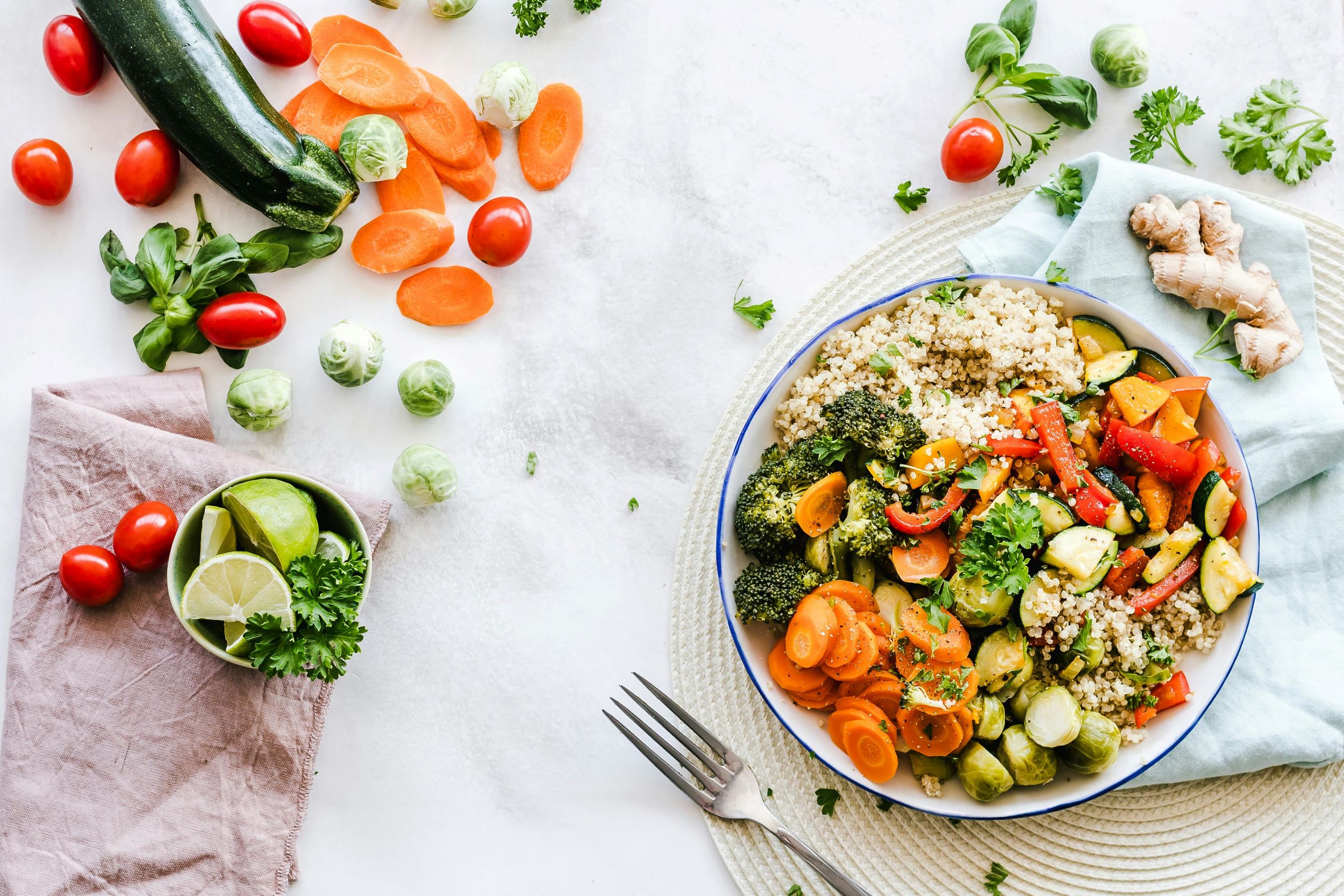
The BioMood project will study how following a Mediterranean diet during pregnancy affects the gut microbiome, metabolism, and inflammation, with the expectation that it will promote a healthier microbiome and better mental health.
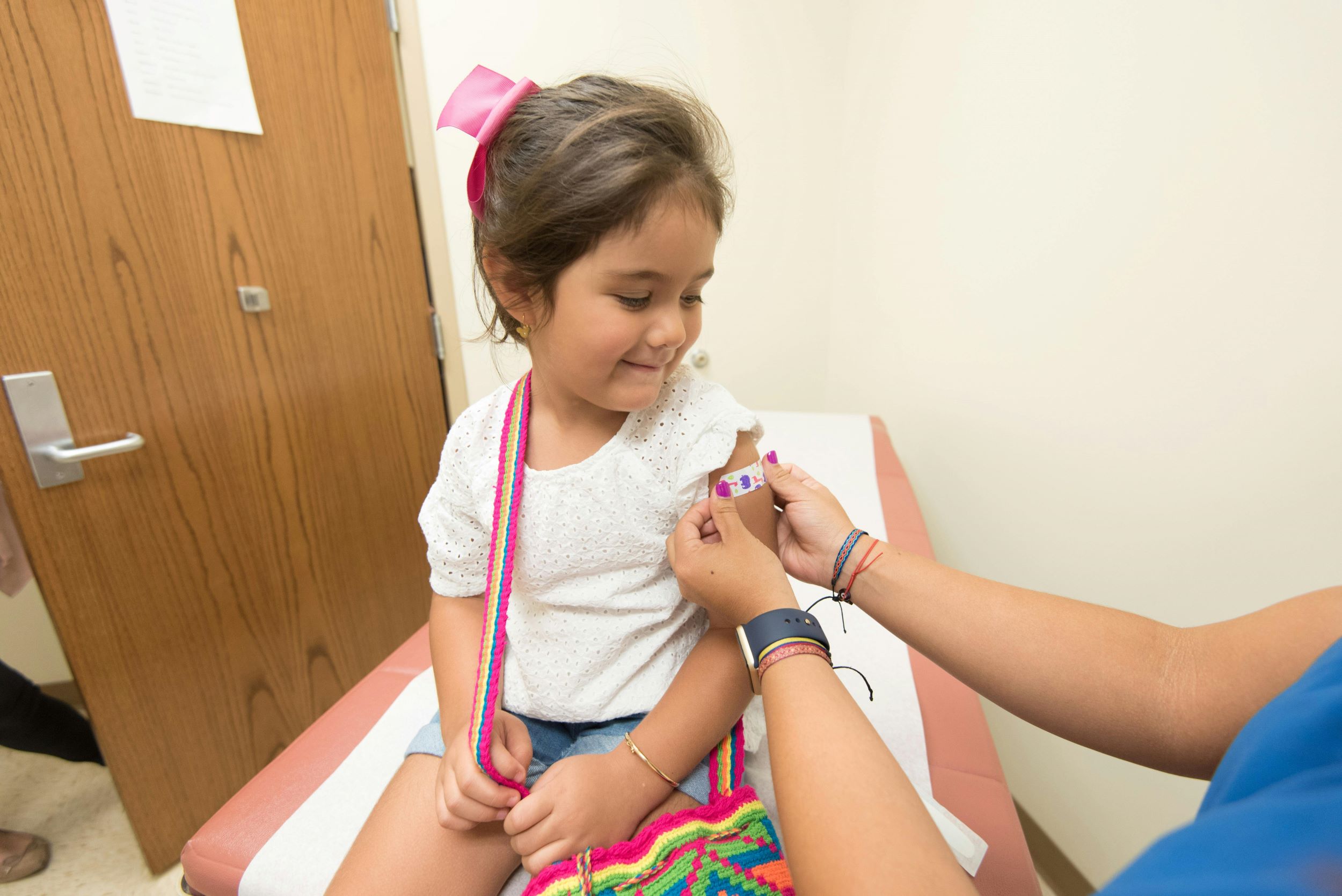
Exploring whether urinary ferritin can be used as an alternative biomarker for measuring iron status in young children over blood draws.
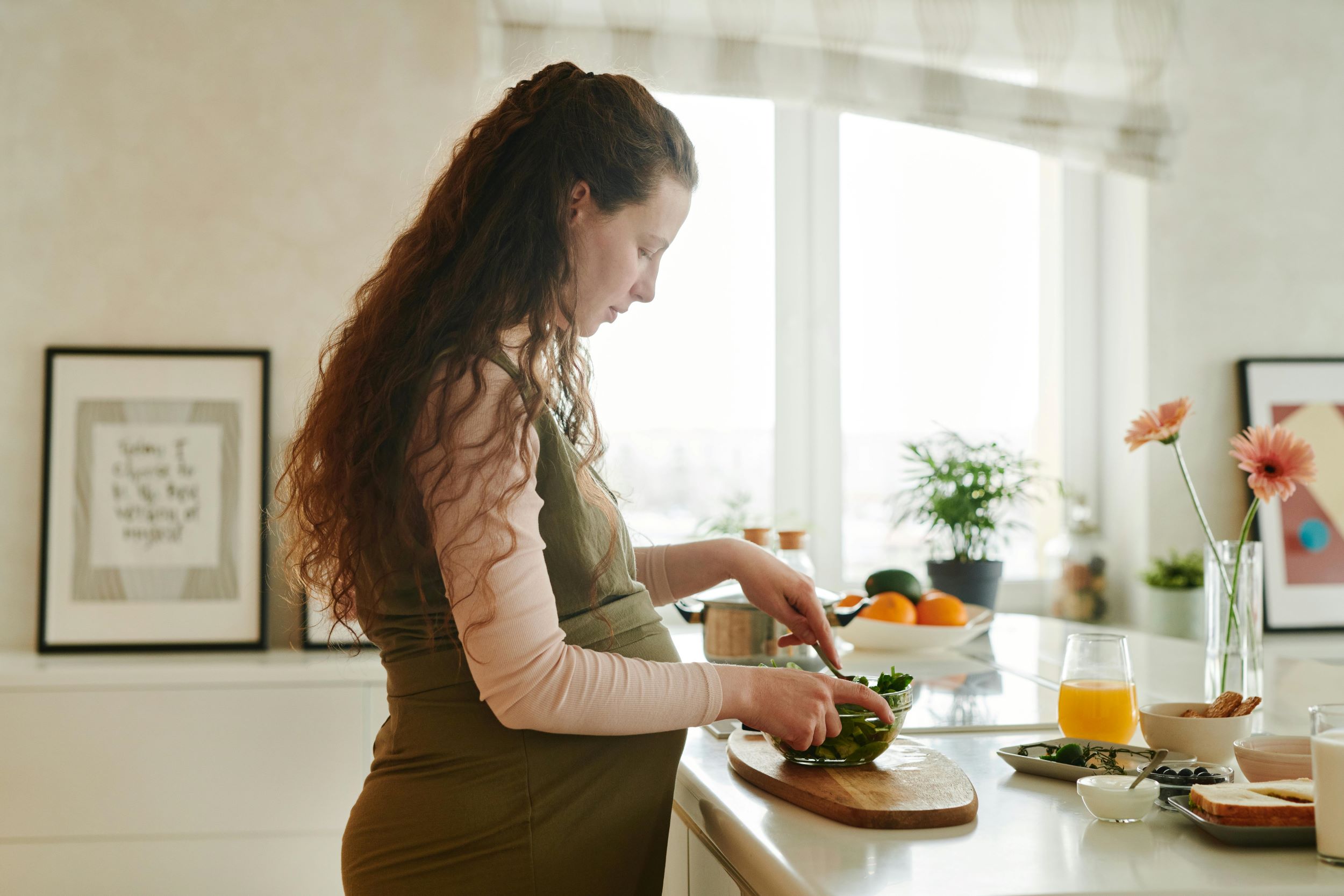
This study examines the impact of nutrition-related maternal, infant and childhood health outcomes and healthcare utilisation.
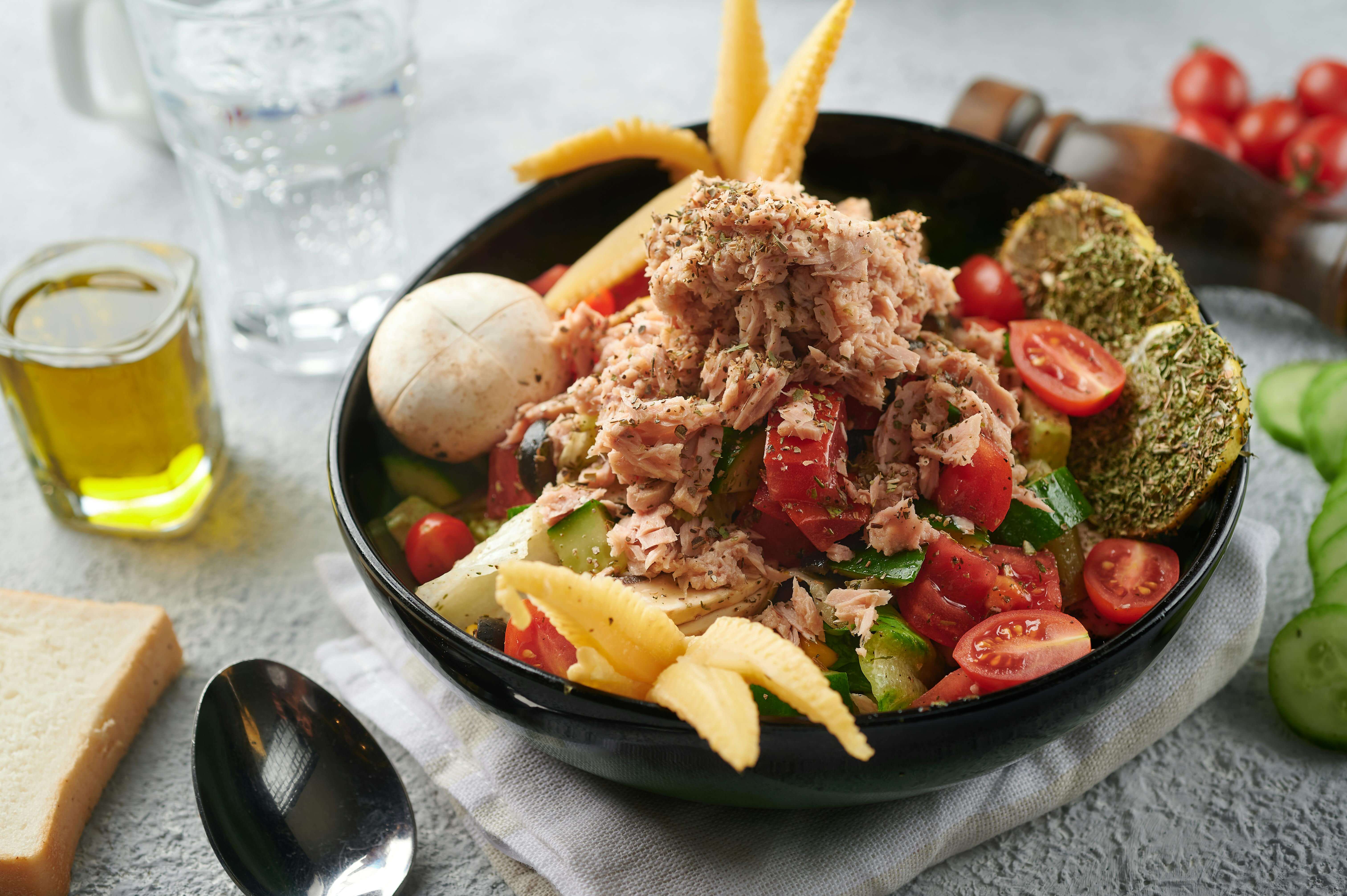
This study aims to examine how a Mediterranean diet and exercise in pregnancy impacts on neonatal body fat composition at birth and weight at one year of age.
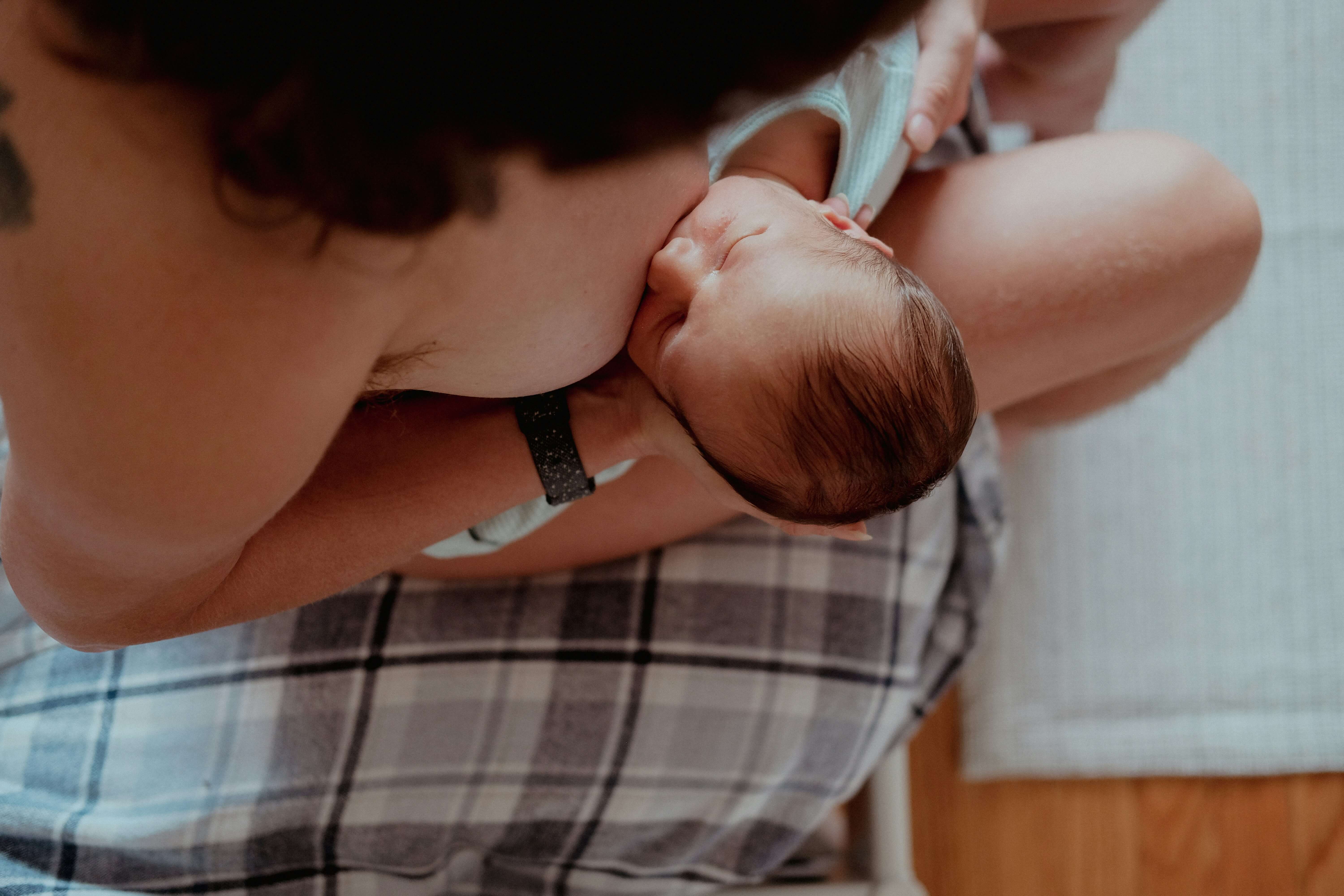
Research shows at least a third of newborns receive formula in hospital, a practice shown to be associated with an increased risk of cow’s milk allergy.
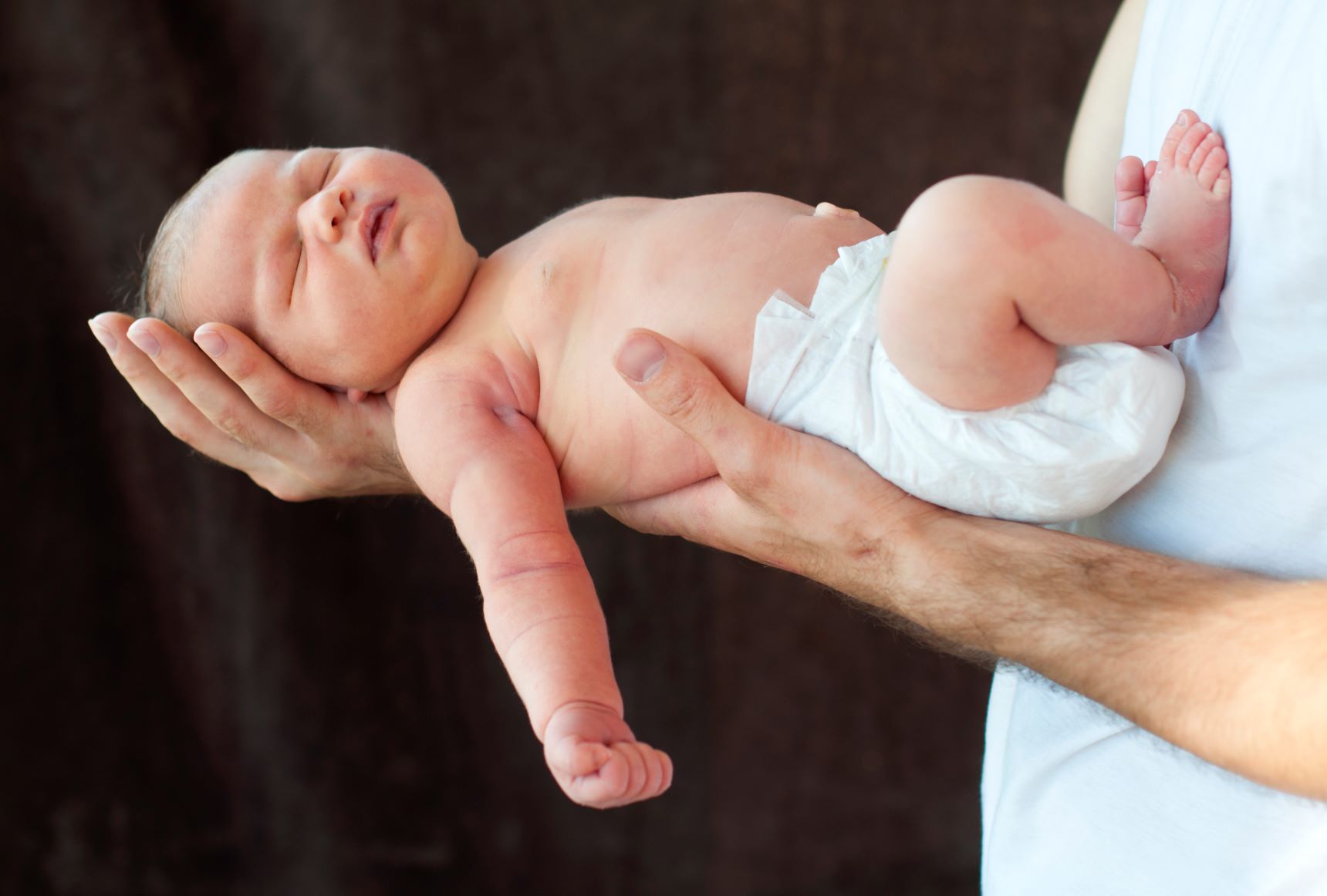
Antibiotic dysbiosis and probiotics trial on infants
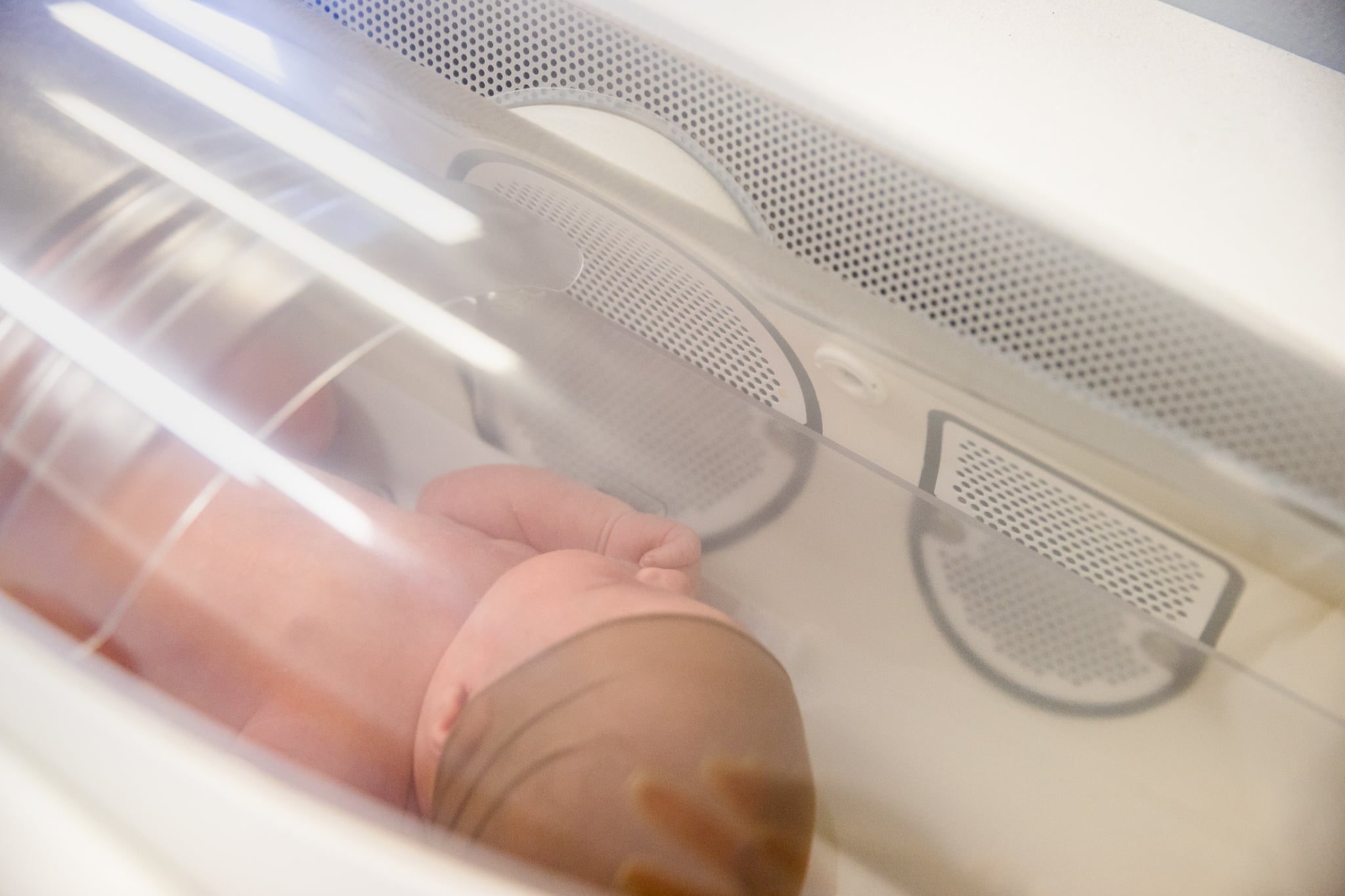
This study is examining the maternal and neonatal factors affecting neonatal body fat percentage.
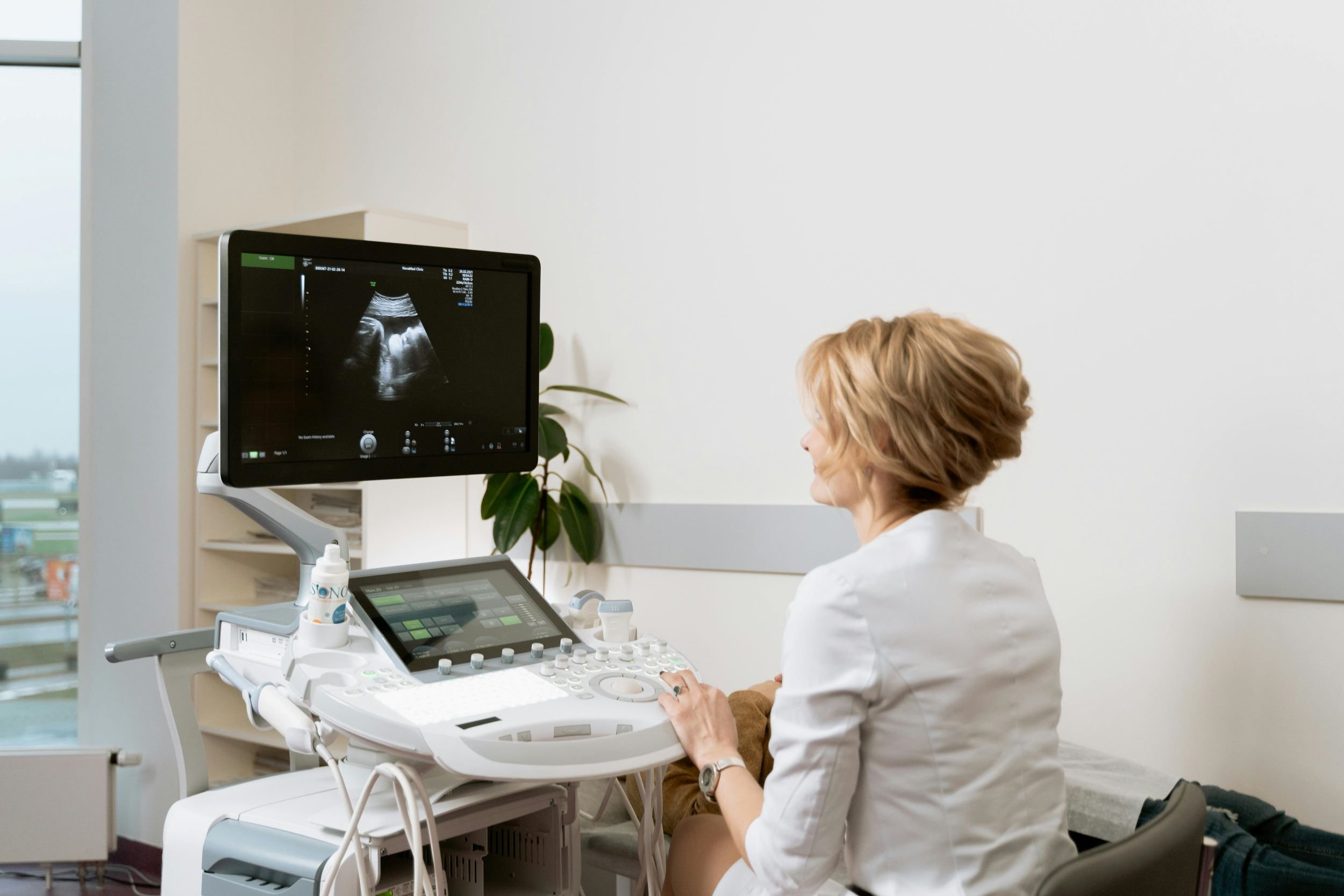
This study is investigating whether a machine learning based approach can be used to improve fetal brain anatomy measurement for learning development studies.