
Search
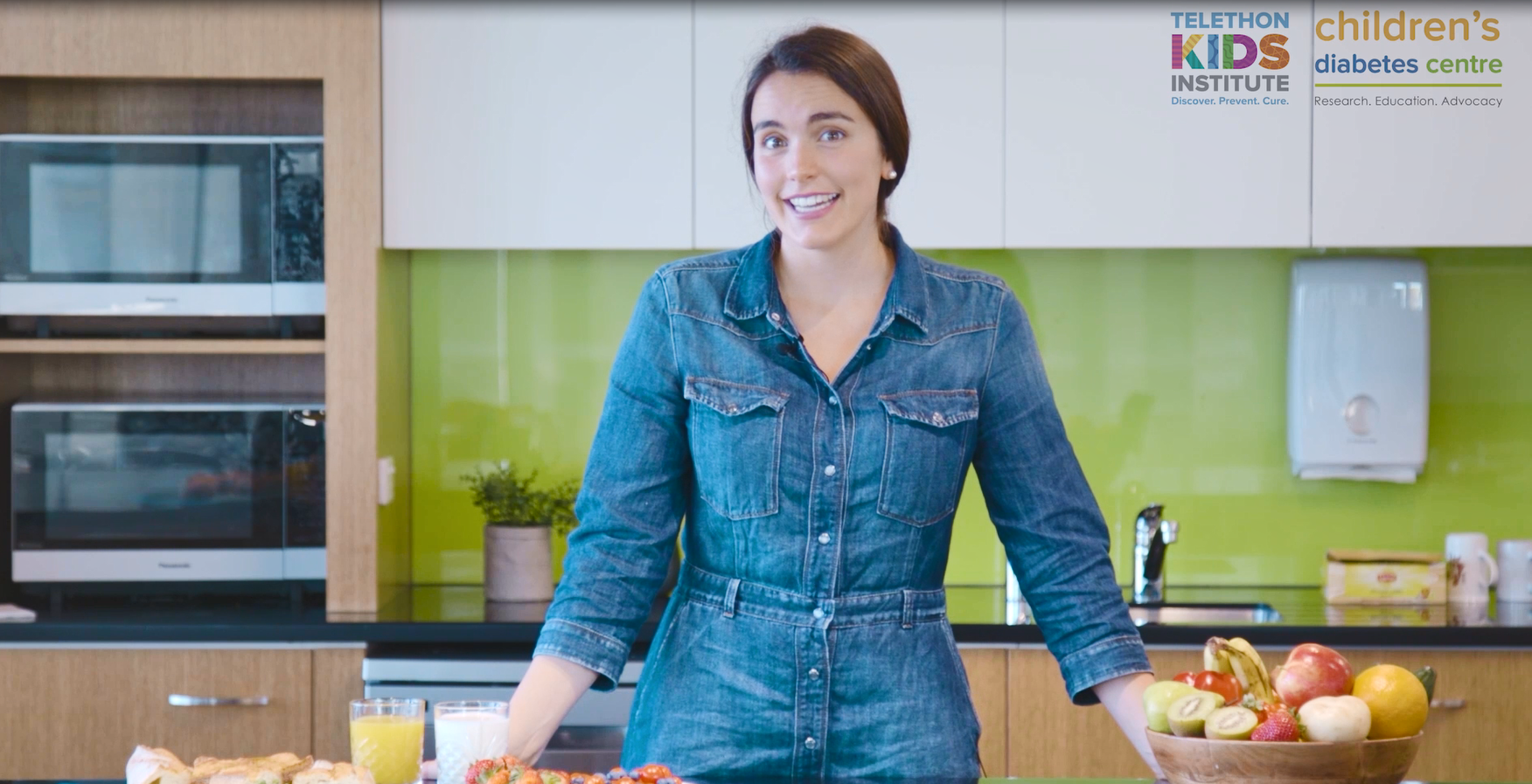
Would you like to help teach others with diabetes? The team at the Rio Tinto Children’s Diabetes Centre are creating nutrition education videos for children and their parents living with type 1 diabetes.
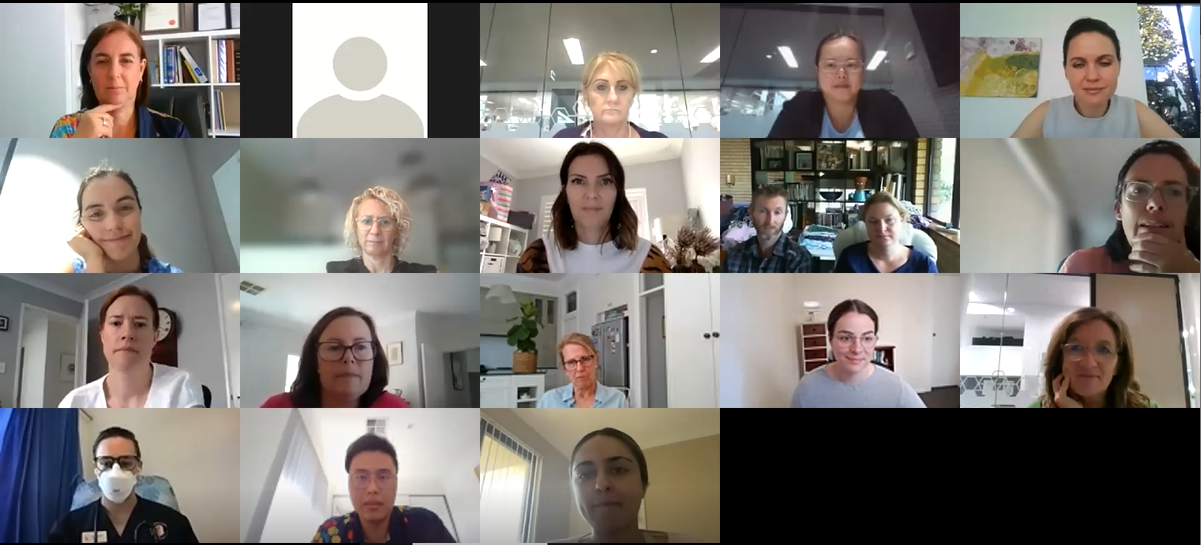
Priority Setting Webinar We recently hosted out first Priority Setting Webinar as a Global Centre of Excellence. It was a great opportunity to hear
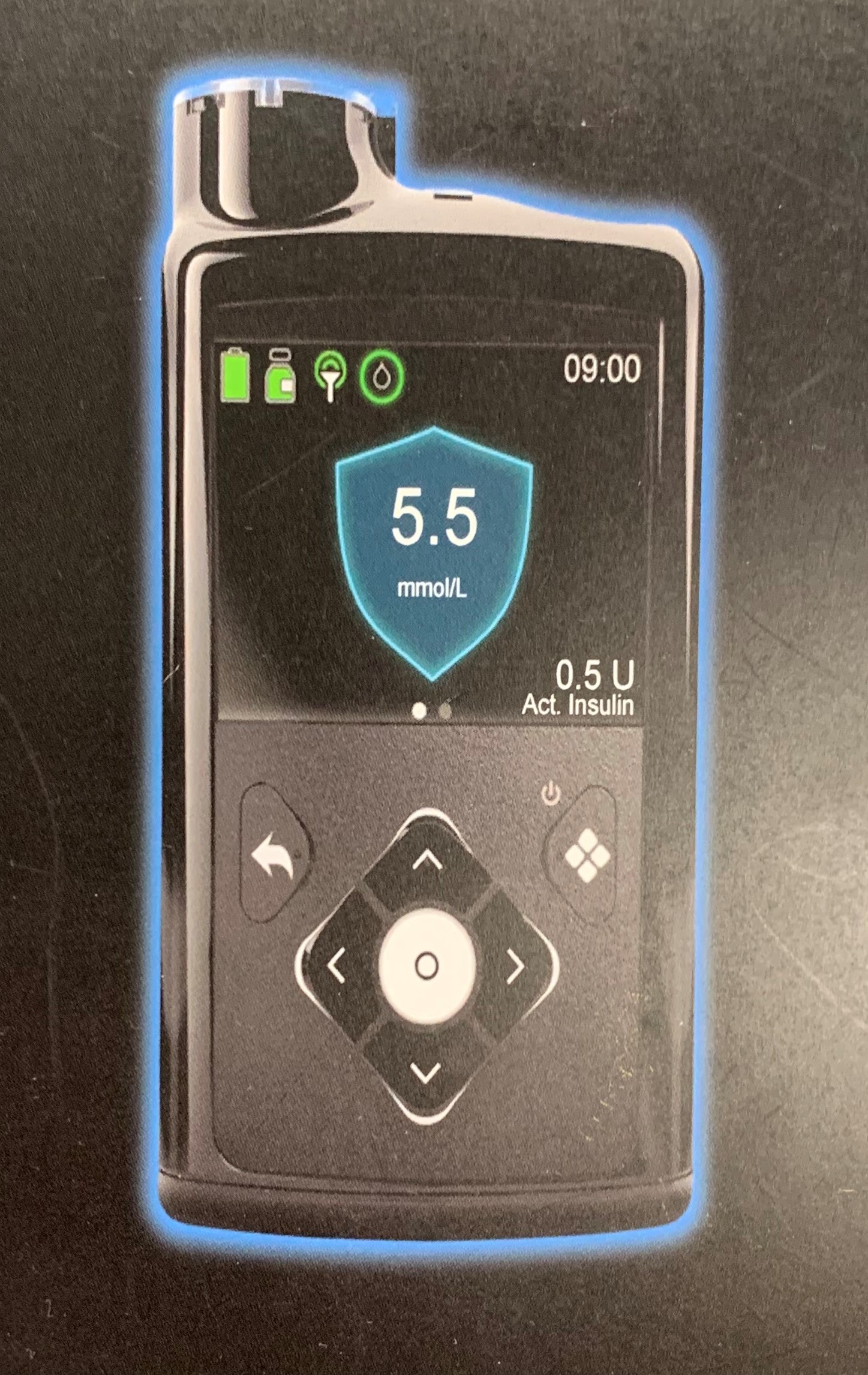
Our researchers are looking for young people with Type 1 diabetes and HbA1c above 8.5%, to see if using an advanced hybrid closed loop system (MiniMed Medtronic™ 780G insulin pump) will improve blood glucose levels and HbA1c.
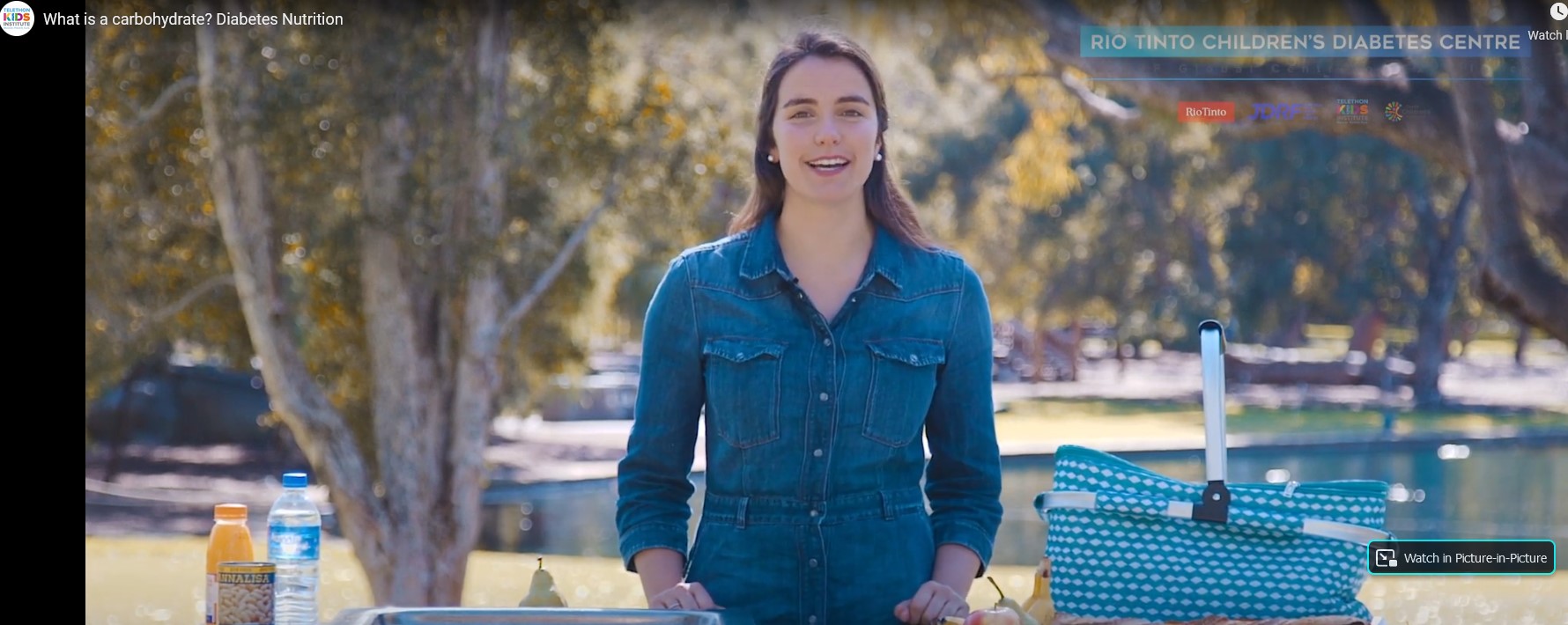
What is a Carboyhdrate - Diabetes Nutrition Video We know there is a lot of information out there about food and nutrition and that parents want to

HEALTHCARE TRANSITION STUDY Co-designing transition support: Phase 1 For young people with type 1 diabetes (T1D), growing up means moving from child
Re: Recommendations from the Diabetes and Endocrinology Department at Perth Children’s Hospital and the Children’s Diabetes Centre at The Kids Research Institute Australia regarding COVID-19 vaccination for children with diabetes
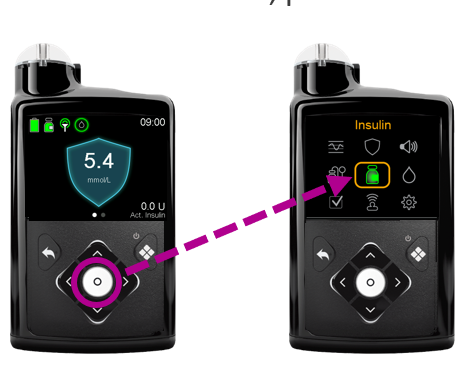
Medtronic have announced the release of the new Medtronic pump – the 780G with Smartguard features.
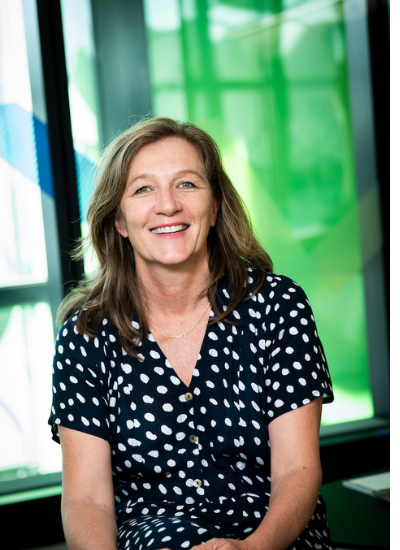
JDRF ONE TALK WITH... PROFESSOR LIZ DAVIS Tune into JDRF Australia instagram page Wednesday 20 October from 3PM WST to hear our Co-Director Professor Liz Davis chat about the diabetes research she's involved in and why she does it. JDRF Australia (@jdrfaus) • Instagram photos and videos
Scientific Launch Speakers Professor Liz Davis @ProfLizDavis @CDCTelethonKids Professor Davis is the Co-Director of the JDRF Global Centre of
Virtual Scientific Launch Day: Wednesday 1 December 2021 (Australia) Time: 7am Australian WST/ 10am Australian EDST / 12pm NZ DST North America: