
Search

Four The Kids Research Institute Australia-based biobanks which underpin a range of cancer, respiratory and early life research have received more than $450,000 in funding.

The Kids Research Institute Australia is pleased to share in $490,000 in State Government funding designed to provide vital support to WA’s innovation sector in the wake of COVID-19.
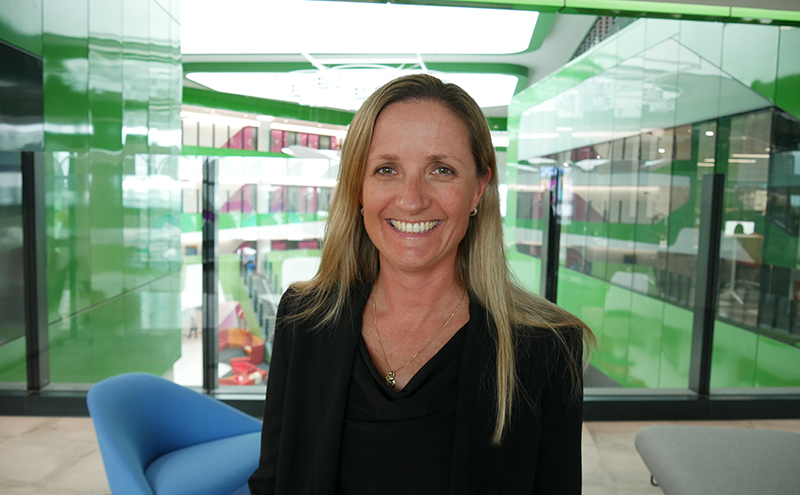
A The Kids Research Institute Australia researcher focused on promoting more active childhoods to improve child health and wellbeing will be named amongst WA’s most outstanding young scientists at the upcoming 2020 Young Tall Poppy Science Awards.
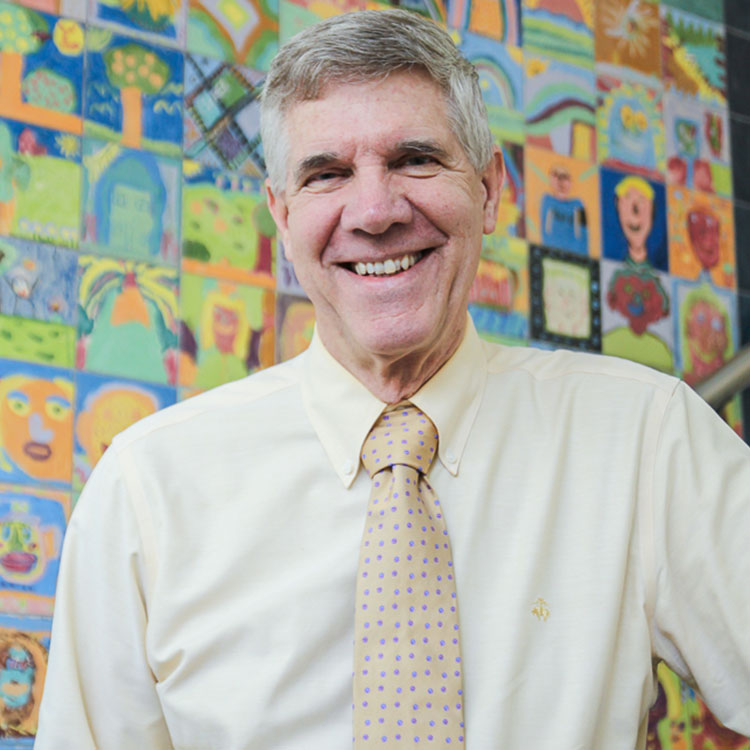
Growing up poor is about more than just the size of your bank account. Read the new CoLab Impact of Poverty Evidence Report.
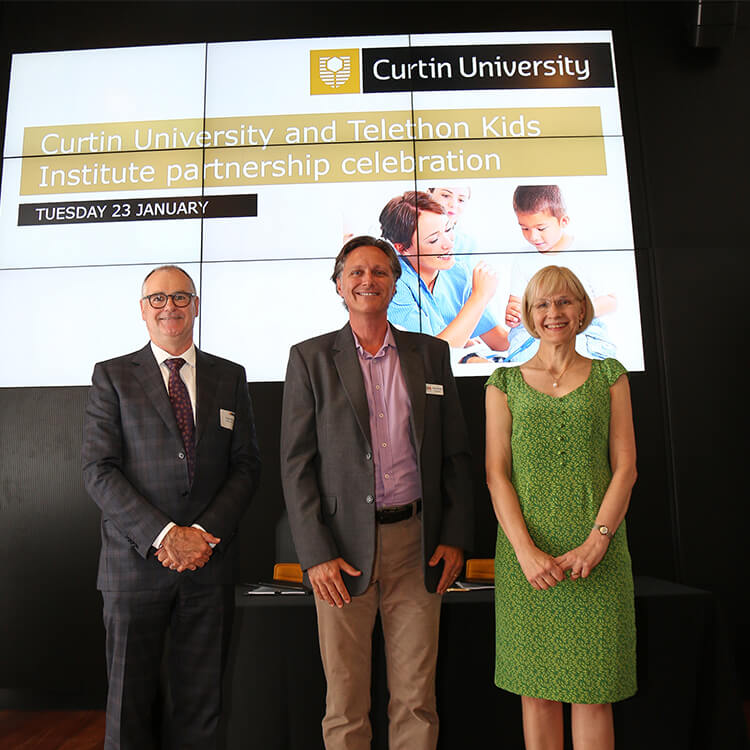
The Kids Research Institute Australia and Curtin University will work together as part of a new agreement focused on enhancing children’s health and medical research in WA.
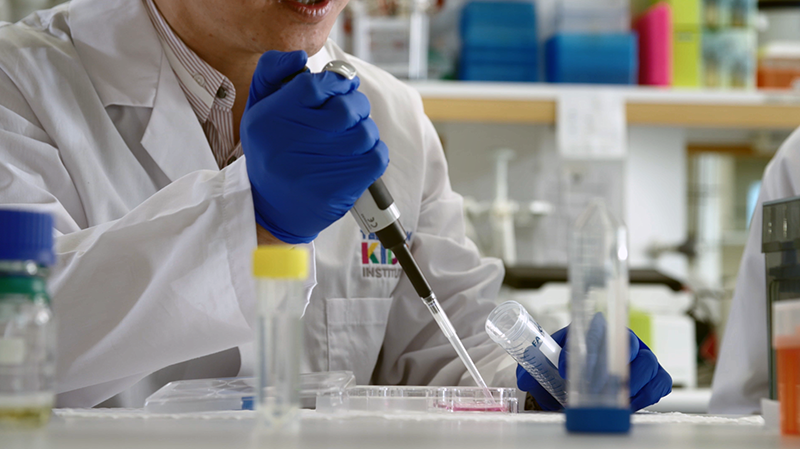
The Kids researchers will use nearly $8.5 million awarded by the National Health and Medical Research Council (NHMRC) to tackle health issues including respiratory disease, brain cancer, vaccination and Aboriginal health.
The Kids researchers are collaborating on two major projects that today received $1.2million in funding from MTPConnect.
The Kids Research Institute Australia, has welcomed the State Government's budget commitment to innovation and medical research.
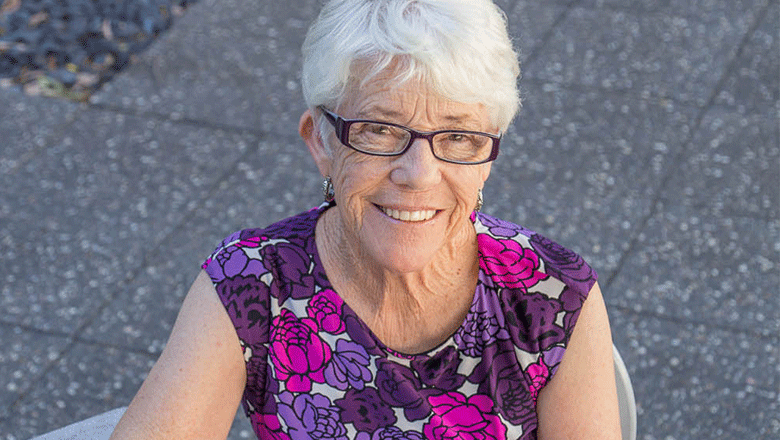
A $3.2 million grant from Lotterywest will allow the highly successful Consumer Involvement Program to be expanded to 18 other WA organisations.
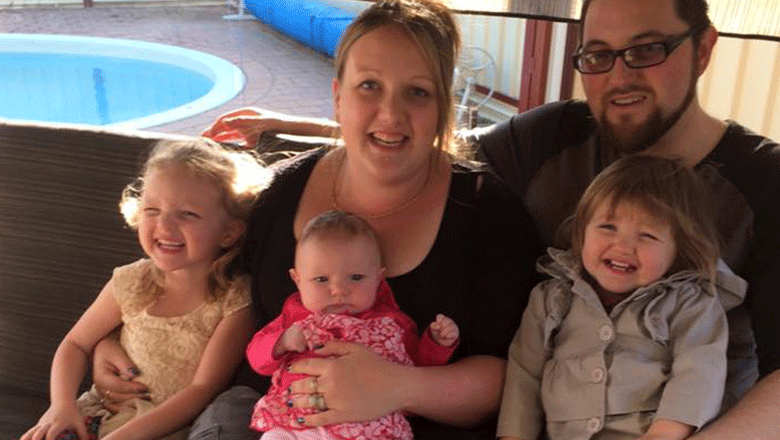
The Kids Research Institute Australia researchers are offering a free nutrition and lifestyle program for plus sized mums and their babies who live in the Joondalup area.