Skip to content

Search

Risk of otitis media in offspring following maternal prenatal stress exposure

There is limited but consistent evidence that suggests prenatal factors, including maternal stress, may contribute to susceptibility for otitis media. We aimed to determine the effect of multiple life stress events during pregnancy on risk of acute and recurrent otitis media in offspring at three and five years of age. 

Paediatric post-grommets surgery review: Audiology-led clinic

Otitis media has a high prevalence in childhood, and grommet insertion is the most common surgical treatment for OM. The public health system in Australia faces considerable strains, including high demand for Ear, Nose and Throat specialists. Extending the scope of practice for audiologists to manage post-operative care for children receiving grommets has the potential to alleviate this burden.

The use of tranexamic acid in paediatric adenotonsillectomy – A systematic review and meta-analysis

Tonsillectomy and adenoidectomy are two of the most commonly performed ENT procedures in children, with over 500,000 cases performed annually in the United States. Whilst generally considered a safe and well-tolerated operation, it is not without its risks and complications including pain, nausea, anorexia and most importantly bleeding and post-tonsillectomy haemorrhage.

Development, construct validity and utility of a cross-culturally adapted Otitis Media-6 (OM-6) questionnaire for urban Aboriginal and/or Torres Strait Islander children

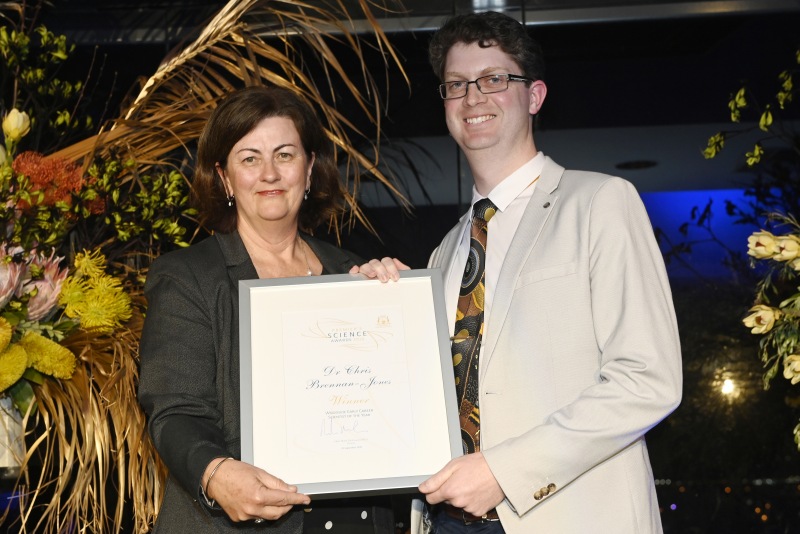
Tamara Chris Valerie Veselinovic Brennan-Jones Swift BSc(Hons) MClinAud PhD PhD Clinical Research Fellow Head, Ear and Hearing Health Aboriginal

Ear and hearing outcomes in Aboriginal infants living in an urban Australian area: the Djaalinj Waakinj birth cohort study

Describe the ear and hearing outcomes in Aboriginal infants in an Australian urban area. Aboriginal infants enrolled in the Djaalinj Waakinj prospective cohort study had ear health screenings at ages 2-4, 6-8 and 12-18 months and audiological assessment at ∼12 months of age. Sociodemographic, environmental characteristics, otoscopy, otoacoustic emissions, tympanometry and visual reinforcement audiometry data were collected.

Impact of ventilation tube insertion on long-term language outcomes at 6 and 10 years of age: A prospective pregnancy cohort study

Investigating the impact of early childhood ventilation tube insertion (VTI) on long-term language outcomes. 

Recurrent otitis media and behaviour problems in middle childhood: A longitudinal cohort study

To investigate the long-term effects of early-life recurrent otitis media (OM) and subsequent behavioural problems in children at the age of 10 years.

Safety, tolerability, and effect of a single aural dose of Dornase alfa at the time of ventilation tube surgery for otitis media: A Phase 1b double randomized control trial

One third of children require repeat ventilation tube insertion (VTI) for otitis media. Disease recurrence is associated with persistent middle ear bacterial biofilms. With demonstration that Dornase alfa (a DNase) disrupts middle ear effusion biofilms ex vivo, we identified potential for this as an anti-biofilm therapy to prevent repeat VTI. First, safety and tolerability needed to be measured.

Deborah Lehmann Research Award Opportunity

The Deborah Lehmann Research Award in Paediatric Infectious Disease Research is a funding mechanism to support the training and development of early- to mid-career researchers (EMCR) or Higher Degree by Research (HDR) students who are nationals from the Pacific Region working in or outside their hom