
Search
To describe Aboriginal and Torres Strait Islander communities' processes, positioning and experiences of health and medical research and their recommendations.
Pete Azzopardi PhD, FRACP, MEpi, MBBS, GDipBiostats, BMedSci Head, Adolescent Health and Wellbeing Head, Adolescent Health and Wellbeing Professor
The first inhabitants of Australia and the traditional owners of Australian lands are the Aboriginal and Torres Strait Islander peoples. Aboriginal and Torres Strait Islander peoples are two to four times more likely to have systemic lupus erythematosus (SLE) than the general Australian population.
In Australia, cancer medicine is increasingly guided by our expanding knowledge of cancer genomics (the study of genetic information) and biology. Personalized treatments and targets are often defined by an individual’s genetic profile—known as precision cancer medicine. The translation of genomics-guided precision therapeutics from bench to bedside is beginning to produce real clinical benefits for Australians living with cancer.
Community Elders in Boorloo (Perth) identified early childhood education (ECE) as a priority area for Aboriginal children’s research. This is due to a lower number of Aboriginal children attending ECE programs compared to non-Aboriginal children. Attending ECE programs sets children up for school success and is an indicator for positive life outcomes in later life. Therefore, we sought to co-design and implement a program that encourages Aboriginal children and families to attend ECE programs, known as Moort Dandjoo Kaadadjiny.
Citation: Skinner T, Brown A, Teixeira-Pinto A, et al. Sensitivity and specificity of Aboriginal-developed items to supplement the adapted PHQ-9
Extreme heat exposure is a major global public health threat that is affecting people across the life course, including the pregnancy period. Studies have linked extreme heat with adverse pregnancy and newborn health outcomes globally.
The prevalence of impetigo and pharyngitis - which are both superficial group A streptococcus (GAS) infections that precede acute rheumatic fever - is poorly defined. Guidelines recommend the early diagnosis of both infections to prevent ARF; however, screening to enable the concurrent detection of these infections in high-risk populations has rarely been performed.
Inadequate housing and living conditions underpin significant health and wellbeing inequality in Australia, particularly for Indigenous people. This review aimed to define infectious disease (ID) outcomes used to measure the health impact of inadequate housing in Australia within a research context.
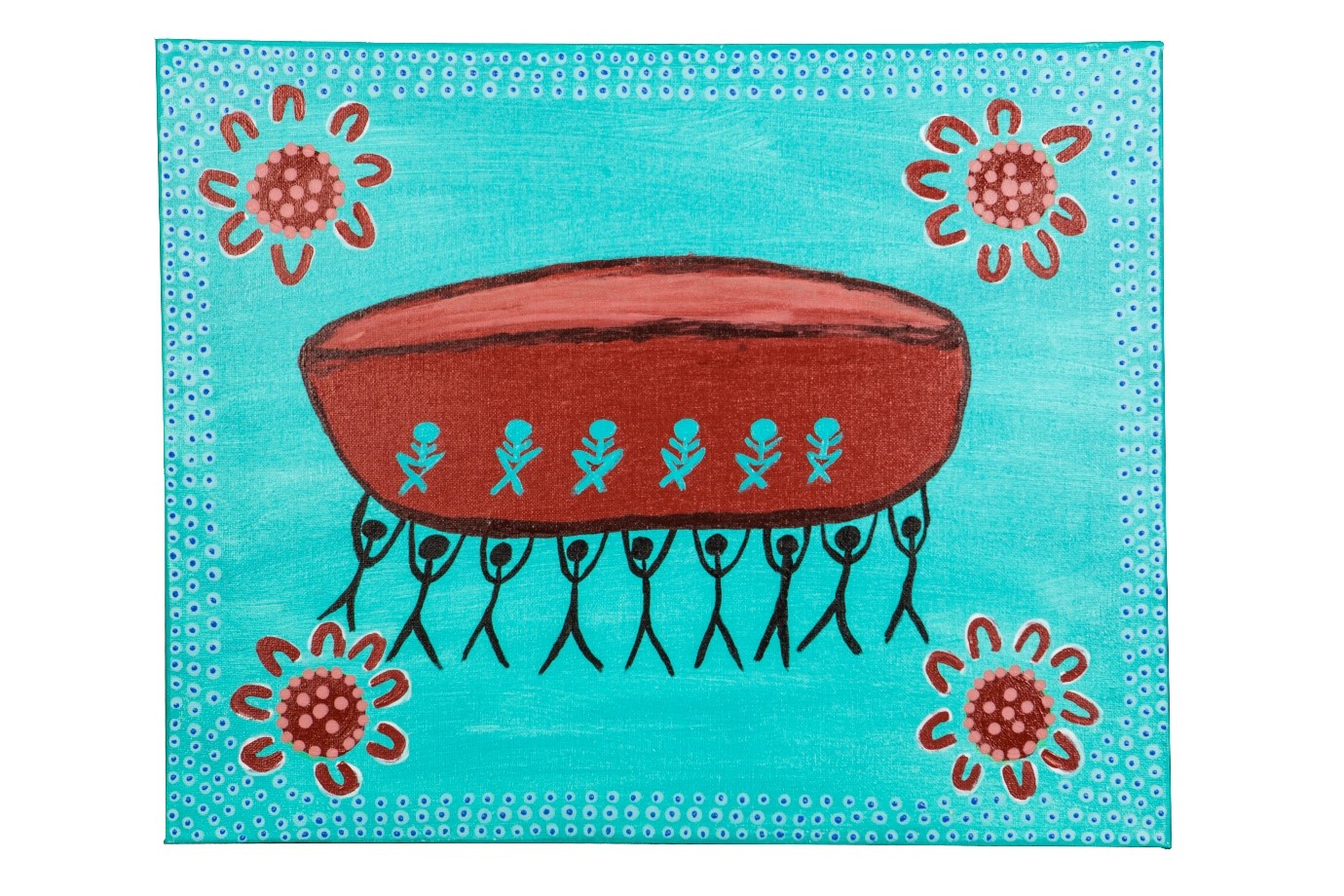
Brings the Aboriginal community(s) of Perth together with service providers & policy makers to improve outcomes for Aboriginal kids and their families.