
Search
As part of the discussions with Kimberley Aboriginal Medical Service (KAMS) to establish the Broome site of the WAAHKN it has been agreed to establish...
The following maps highlight the Indigenous suicide rate trends over time (from 2001 to 2012) in different regions of Australia.
We unite experts and communities to improve child health through research that has impact, using animals only when no other methods are suitable. We are also a signatory to the ANZCCART Animals in Research Openness Agreement.
This 2nd edition is intended for staff and students and all health practitioners working in areas that support Indigenous mental health and wellbeing.

In 2006, when a Japanese scientist building on the earlier work of a British biologist discovered a way to reprogram adult cells into other cell types – making them ‘pluripotent’ – the scientific world was entranced.
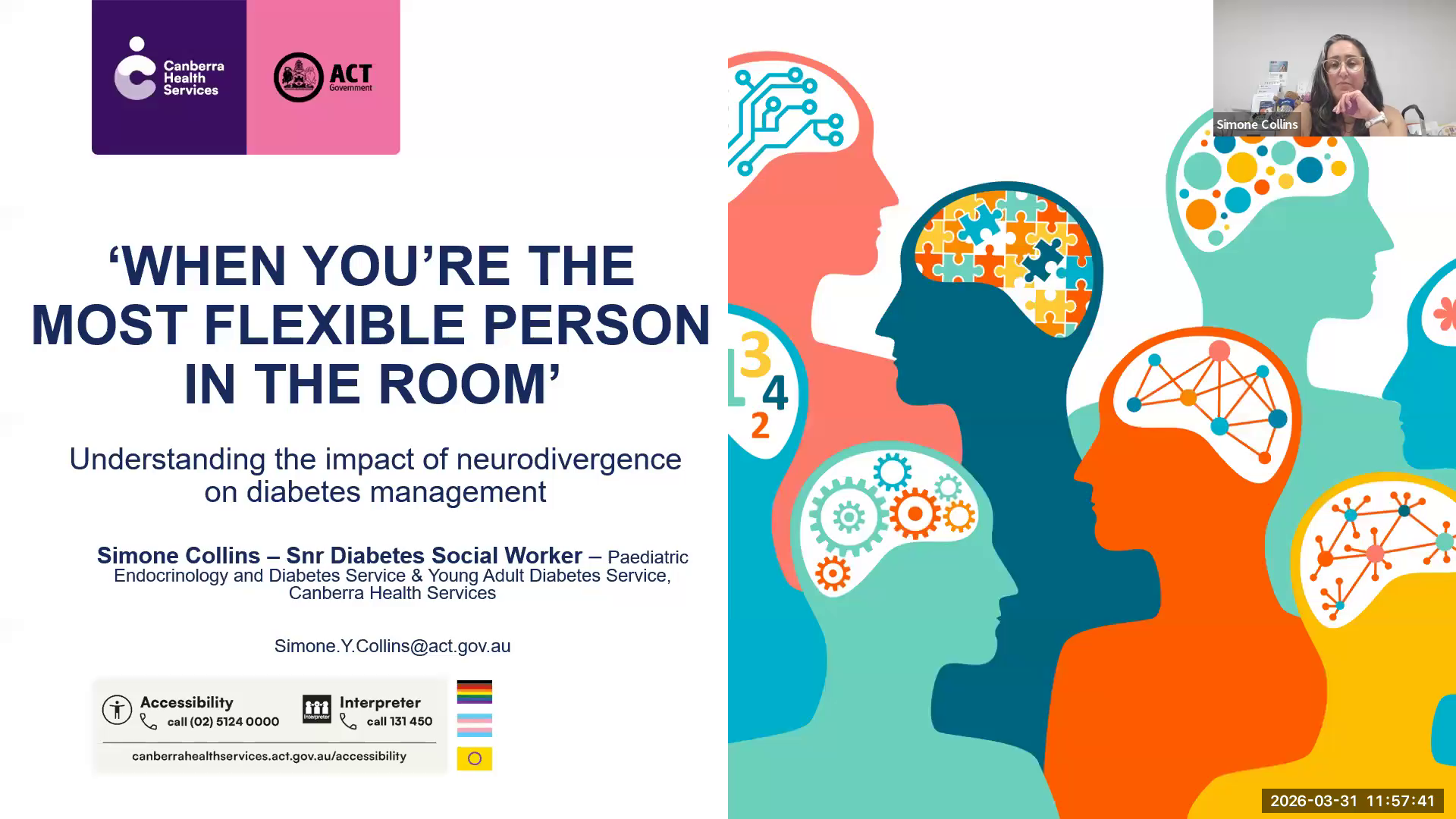
Our goal is to accelerate the dissemination and implementation of evidence-based models of care for children and young people living with Type 1 Diabetes.
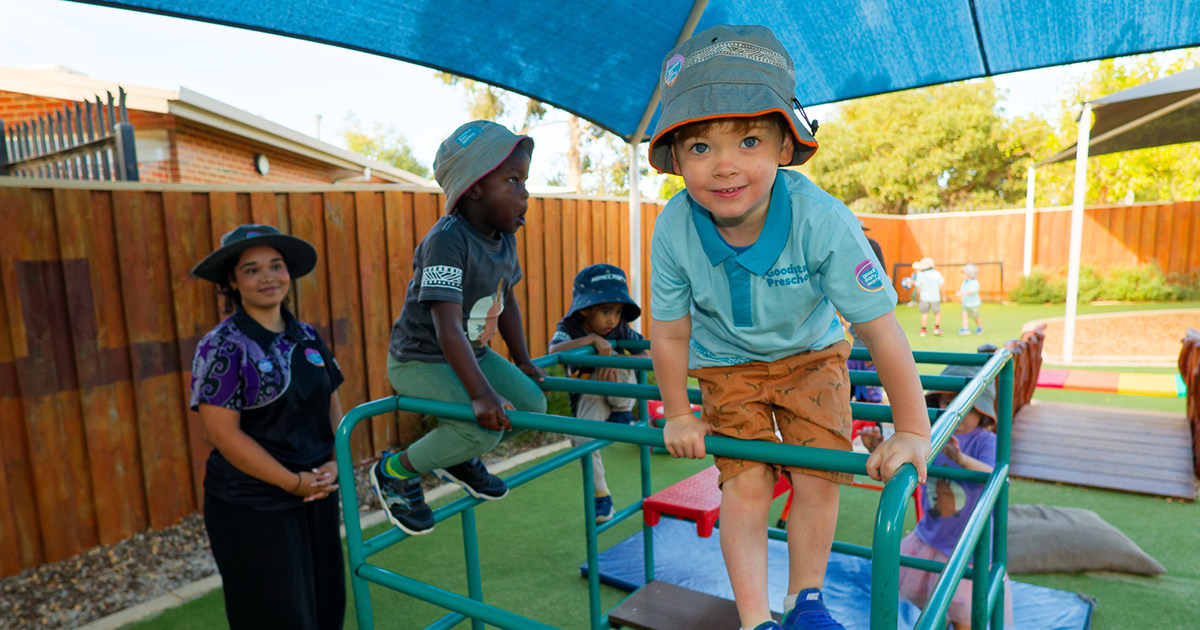
More than 80,000 Australian children are expected to benefit from a trial being rolled out to 700 childcare centres across the country that aims to boost declining physical activity levels.
Mental ill-health and substance use bear significant public health burden on young people. Prevention is key. Trauma-informed approaches to prevention of mental ill-health and substance use demonstrate significant promise, yet it is unclear how well existing approaches work for young people targeting mental ill-health and substance use. This review aimed to assess the effectiveness, feasibility, and acceptability of trauma-informed mental ill-health and/or substance use prevention programs for young people.
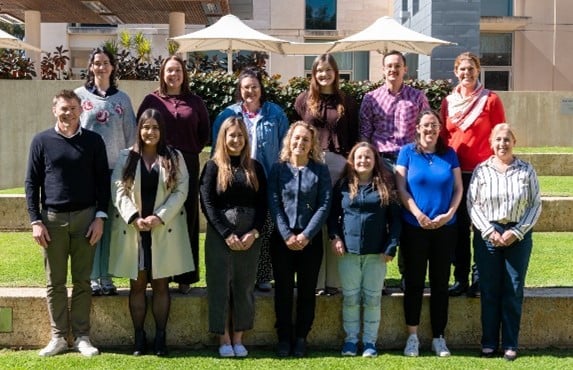
Community Involvement and Consumer Representatives are a really important part of our research. Find out what they have been working on.
Improving maternal gut health in pregnancy and lactation is a potential strategy to improve immune and metabolic health in offspring and curtail the rising rates of inflammatory diseases linked to alterations in gut microbiota. Here, we investigate the effects of a maternal prebiotic supplement (galacto-oligosaccharides and fructo-oligosaccharides), ingested daily from <21 weeks' gestation to six months' post-partum, in a double-blinded, randomised placebo-controlled trial.