
Search
We tested the potential for Gazefinder eye-tracking to support early autism identification, including feasible use with infants, and preliminary concurrent validity of trial-level gaze data against clinical assessment scores. We embedded the ~ 2-min 'Scene 1S4' protocol within a comprehensive clinical assessment for 54 consecutively-referred, clinically-indicated infants (prematurity-corrected age 9-14 months).
Clinical decision support systems (CDSS) are increasingly utilised within healthcare settings to enhance decision making. However, few studies have investigated their application in the context of clinical services for autistic people, with no research to date exploring the perspectives of the key stakeholders who are, or in the future may be, impacted by their use.
A problem that applied researchers and practitioners often face is the fact that different institutions within research consortia use different scales to evaluate the same construct which makes comparison of the results and pooling challenging.
CliniKids is putting the ‘evidence’ in evidence-based practice by providing families access to the best scientific-backed therapies as quickly as possible so that all autistic children have the chance to reach their full potential.
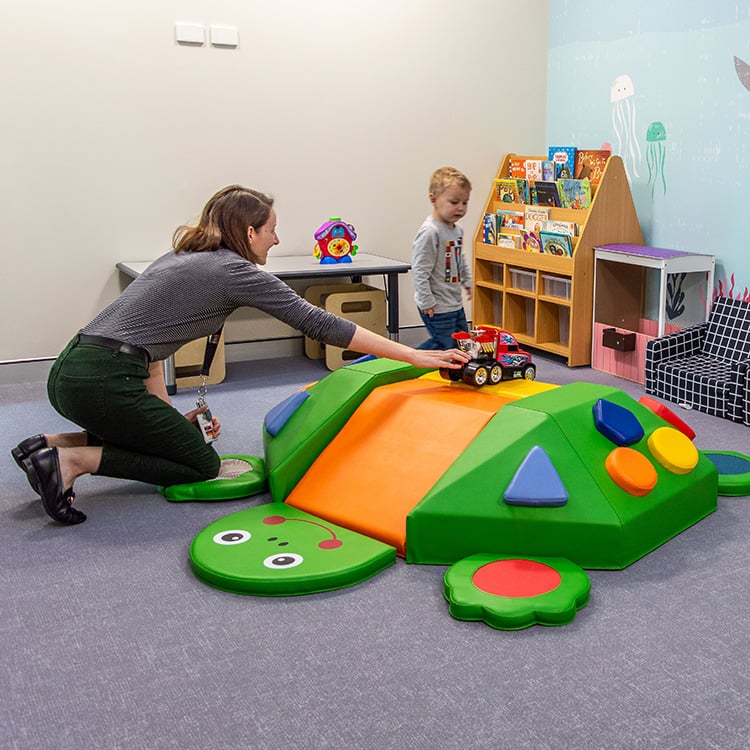
Find out how to access services at CliniKids.
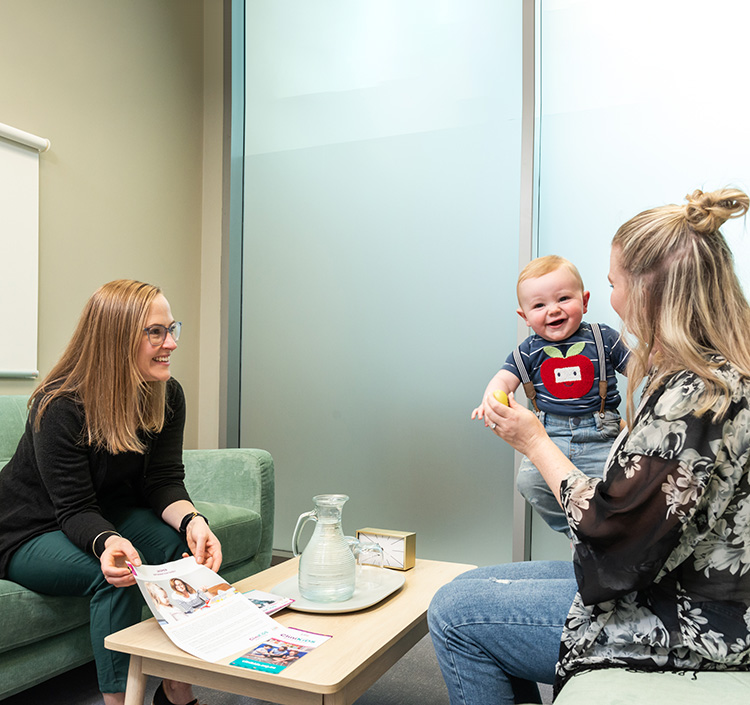
Here you'll find a wealth of information and resources to help support your child.

For World Autism Acceptance Day, we asked our clients, their families and the community to tell us what they would like people to know about autism. Senior Speech Pathologist Sally Grauaug compiled their ideas and feedback into this blog.

In this new blog, Speech Pathology Lead Aria May explains how bathtime is a great opportunity to support social communication with your child.

CliniKids is pleased to present our quarterly online Autism Seminar Series, designed to inform families, clinicians and educators about the latest autism topics and research.
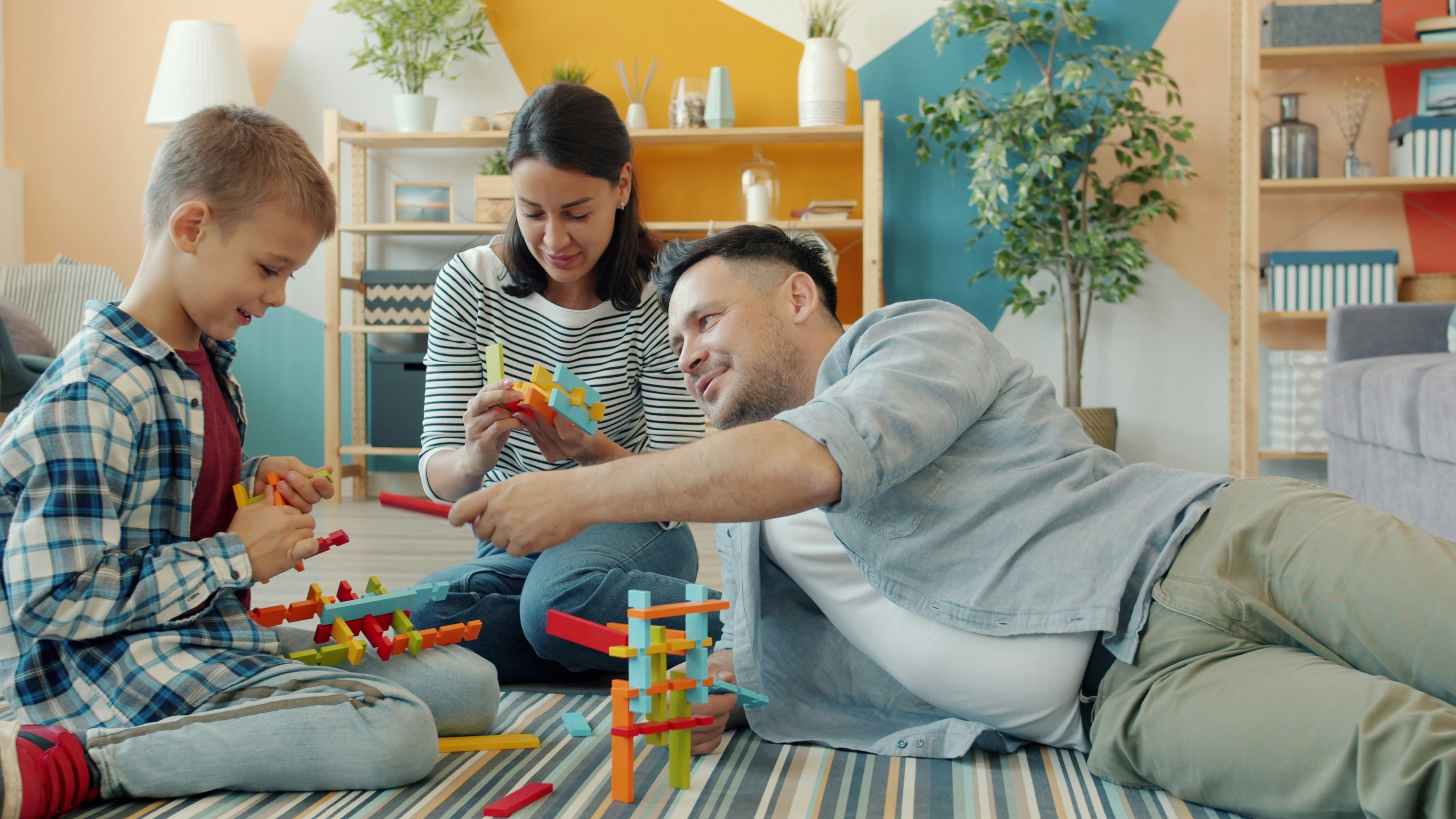
Receiving an autism diagnosis for your child can bring a wide range of emotions. For many families, it provides answers and validation, but it can also leave parents and caregivers wondering, What happens next? Where do we start?