
Search
Rett syndrome (RTT) is an X linked neuro-developmental disorder affecting mostly girls. Mutations in the coding region of MECP2 are found in 80% of classic...
A translocation that disrupted the netrin G1 gene (NTNG1) was recently reported in a patient with the early seizure variant of Rett syndrome (RTT).
This study compared the behavior profile of cases in the Australian Rett Syndrome Database (ARSD) with those in a British study using the Rett Syndrome...
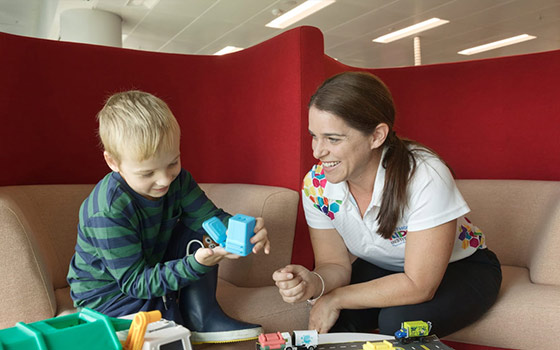
Our vision is to increase awareness and improve outcomes for children with movement disorders and other neurodevelopmental conditions impacting on motor function.
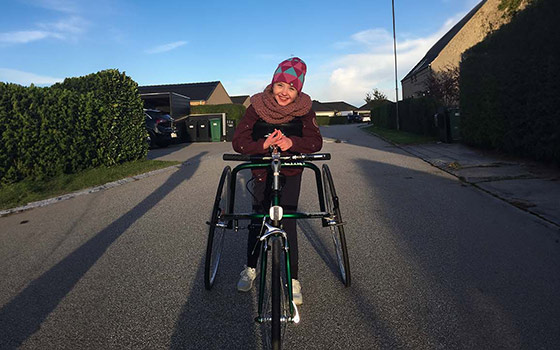
We aim to ensure that high quality outcome measures are available to evaluate treatments and services for children with disability rigorously. We aim to translate our research into resources to support families, carers and clinicians.

The Sibling Project focuses on the wellbeing, relationships and needs of children, adolescents and emerging adults who have a sibling with a developmental disability.
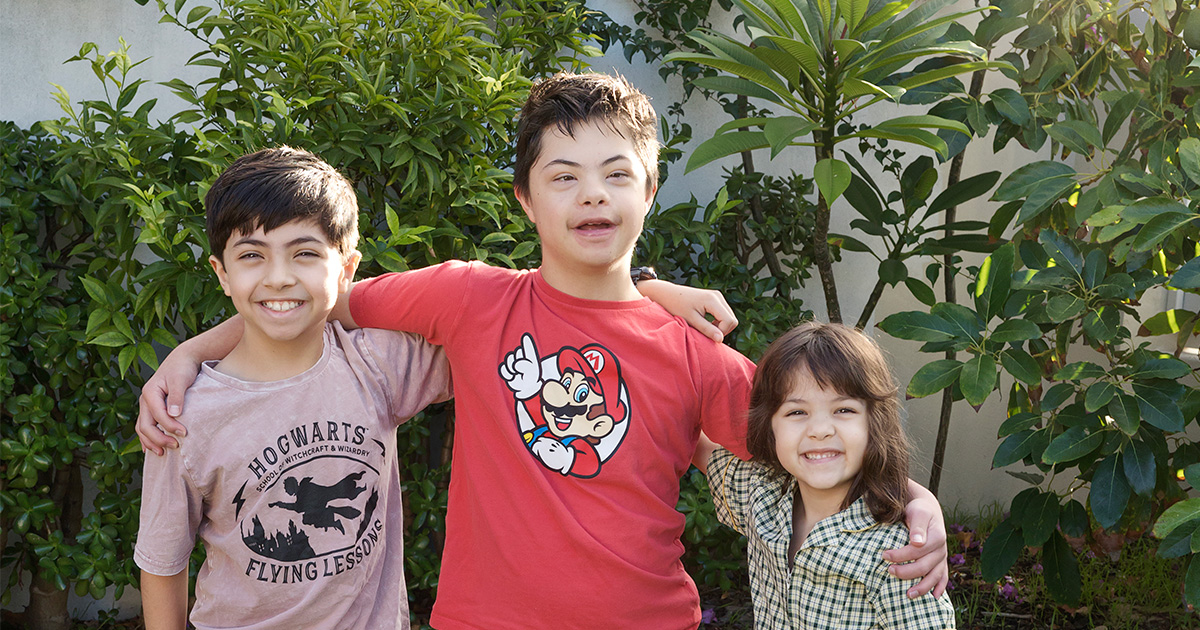
Developmental and epileptic encephalopathy (DEE) conditions are rare, and most have a genetic cause.
The visual representation of Teen Talk study findings
One of the many reasons for setting up the International CDKL5 Disorder Database was to learn more about this condition.
Our research covers a broad range of areas from the influence of mutation type on health outcomes to factors impacting on the lives of familes.