
Search
Showing results for " https://www.galaxus.ch/en/sector/showdiscussion/hacking-snap-visit-kunghaccom-yv6qjkq1-222072"
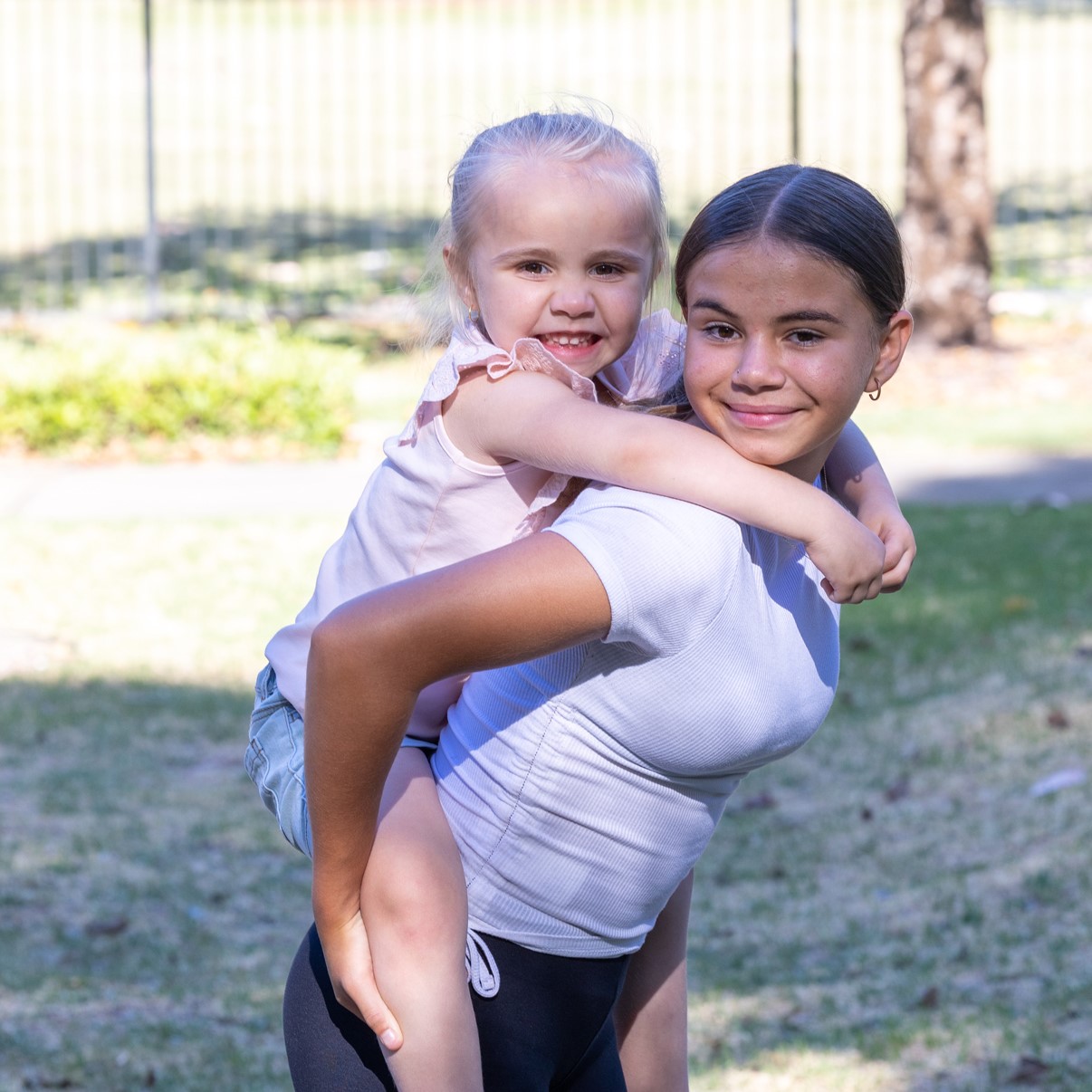
The Indigenous Genomics Group aims to build Indigenous leadership in genomic and data sciences, precision health, and ethics to improve health equity and the wellbeing of Indigenous people, families and communities.

The Early Neurodevelopment and Mental Health team is focused on preventing childhood mental illness and optimising children’s development and wellbeing in the first years of their life. We are interested in understanding and identifying the factors that contribute to difficulties in mental health and development, as well as developing cost-effective prevention and early intervention approaches for addressing developmental needs and promoting resilience.
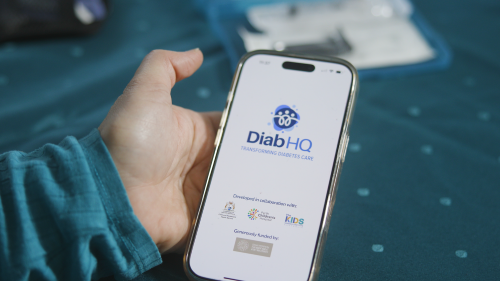
Following the successful launch of the DiabHQ mobile app last November, we're now moving into the exciting next phase and need your voice.

In Western Australia we have so far been remarkably successful in flattening the curve and preventing the community spread of COVID-19.
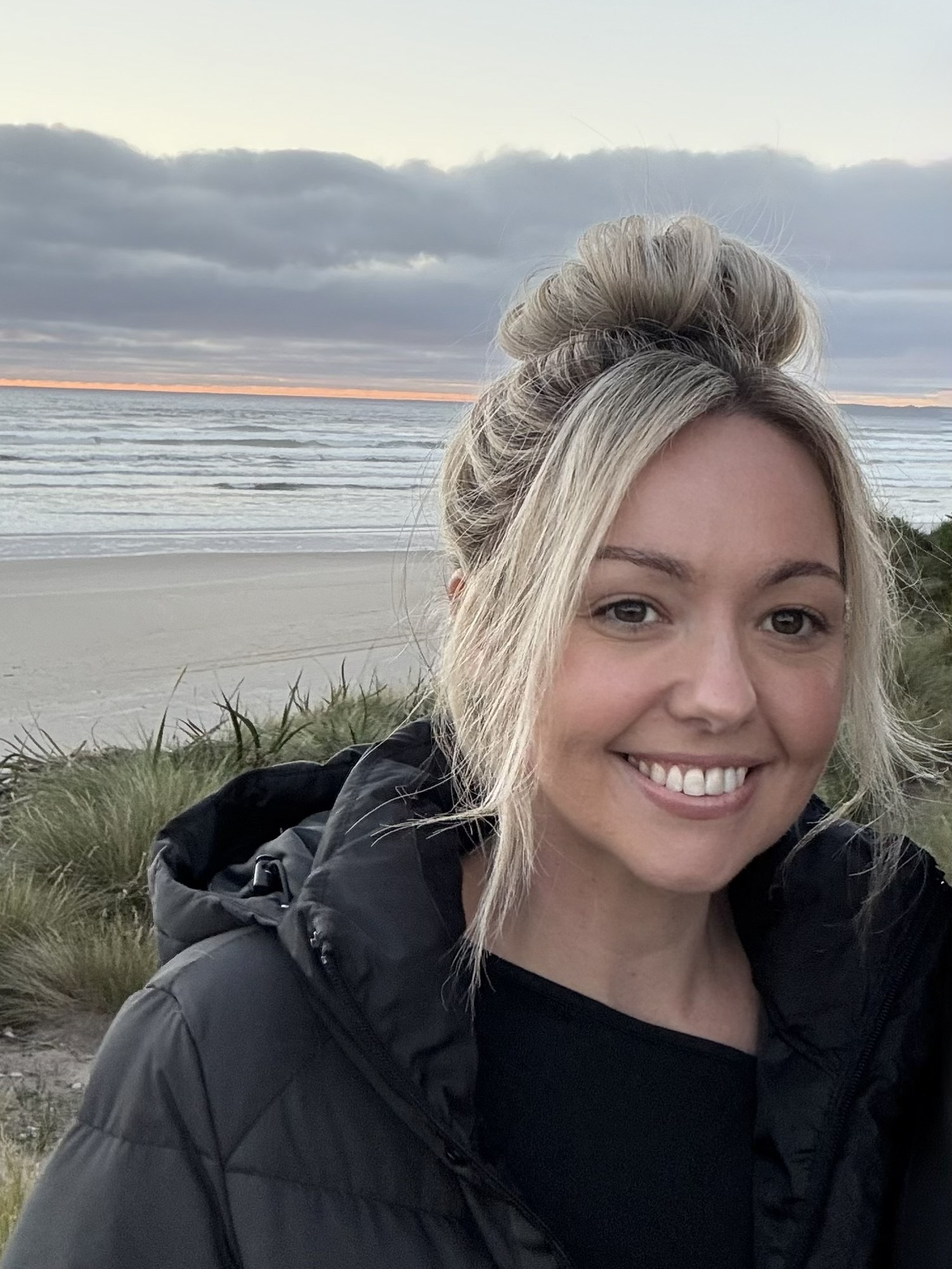
with Leah Pascoe
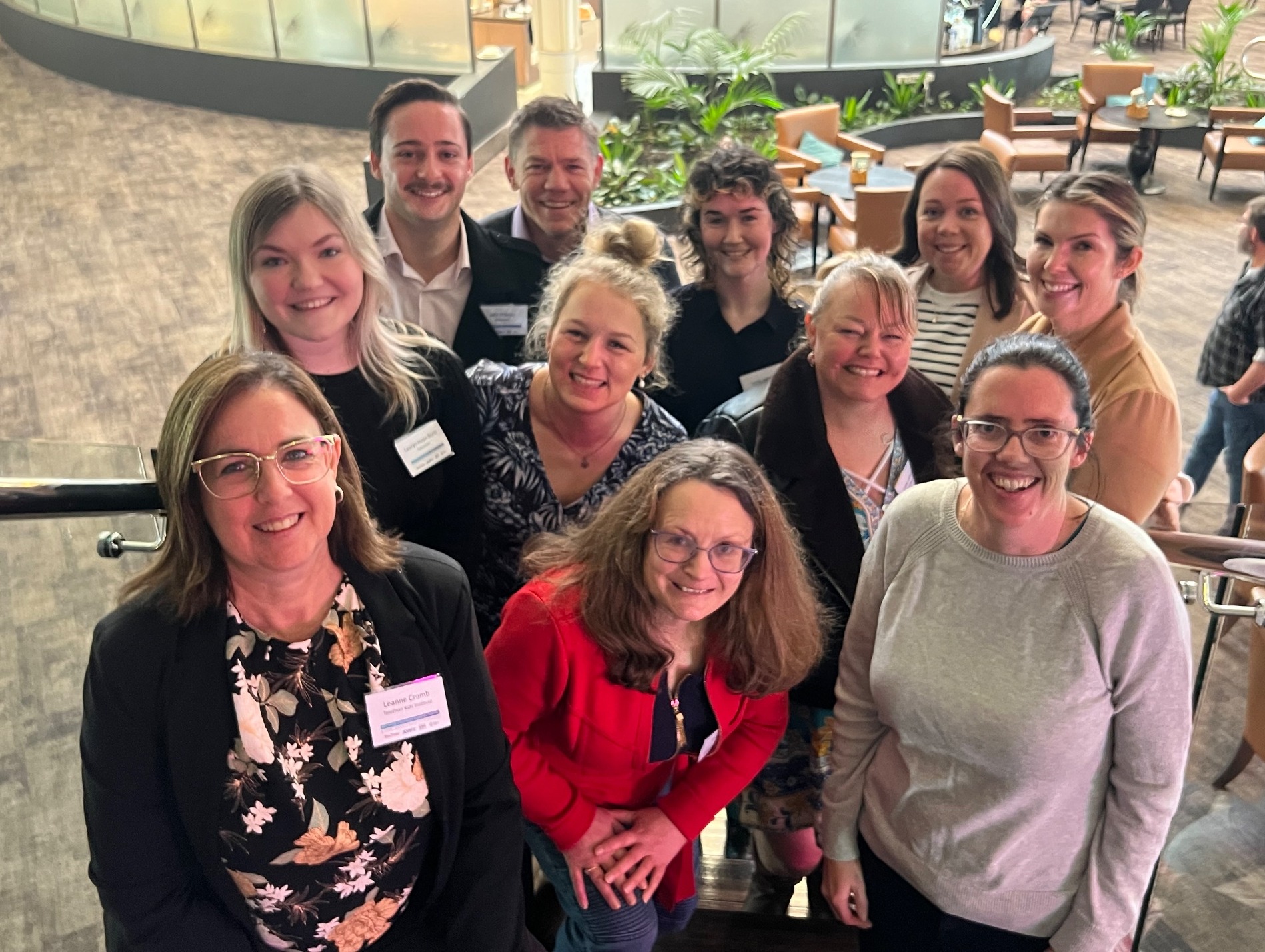
National committee members are a really important part of our research projects. Find out what they have been working on.
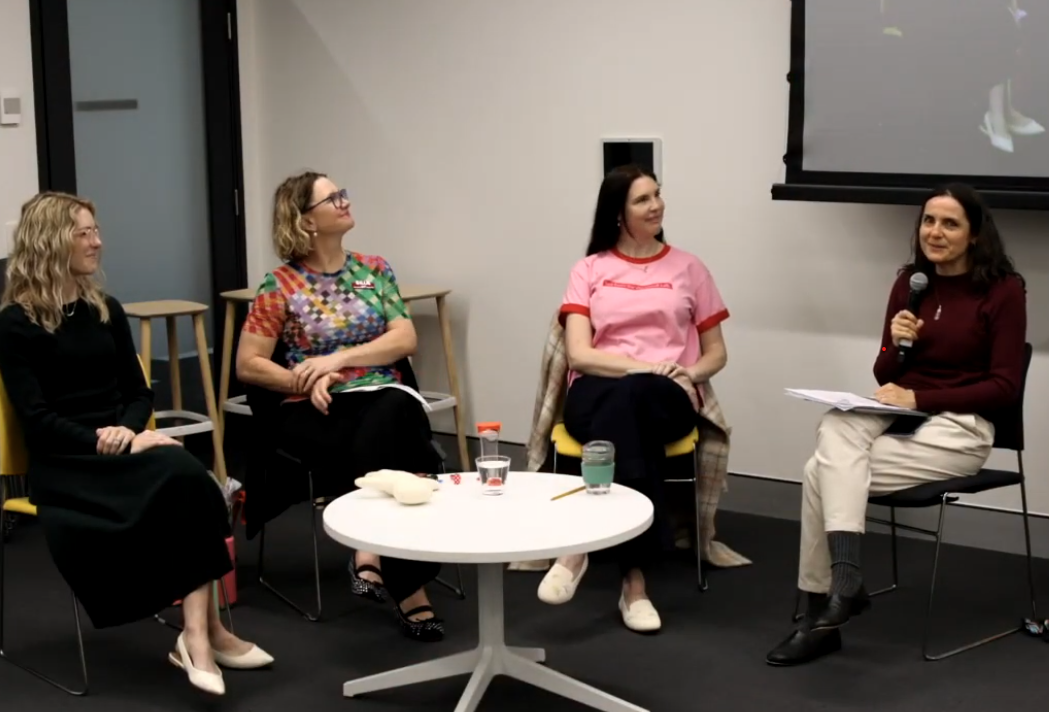
Amanda Zaffino, Gillian Griffiths, Tracey Jewel Constable, and facilitator Prof. Jeneva Ohan
Find out how to participate in our research and community group

Our research focuses on identifying practical ways to provide trauma-informed care for children and families visiting the hospital.
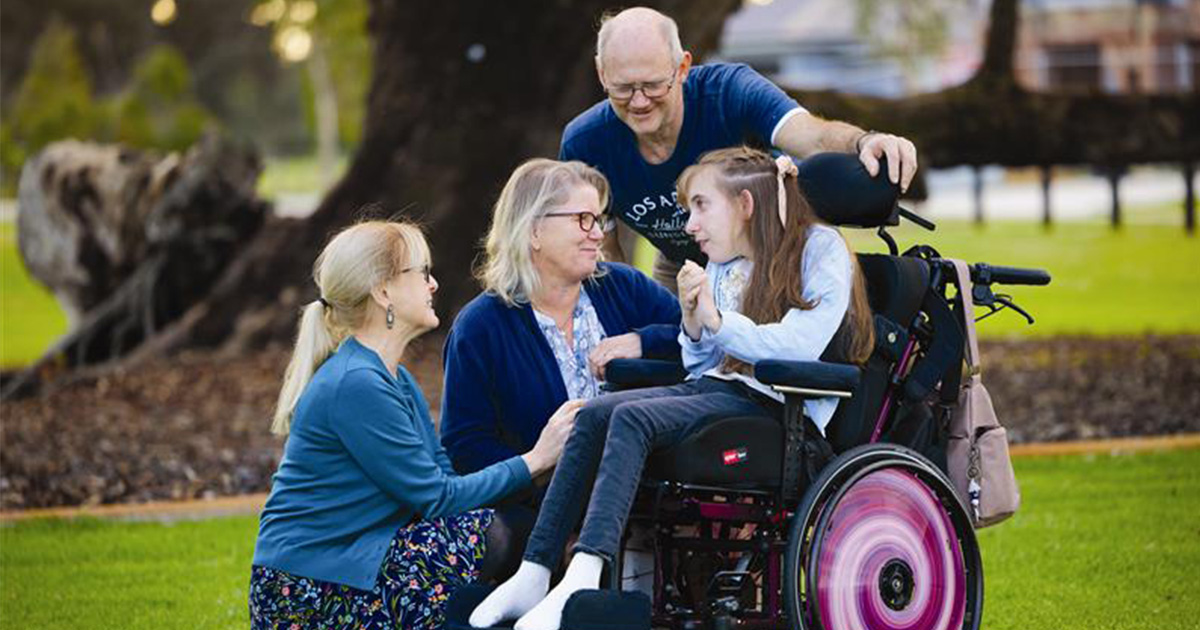
Affecting approximately 400 people in Australia, Rett syndrome is a rare neurological disorder that occurs almost exclusively in girls and affects mobility and development, impacting everything from walking and talking to eating and breathing.