Search
Research
Review of Aboriginal child health services in remote Western Australia identifies challenges and informs solutionWe aimed to identify and map child health services in the very remote Fitzroy Valley, West Kimberley, and document barriers to effective service delivery
Research
Implementation of a strategy to facilitate effective medical follow-up for Australian First Nations children hospitalised with lower respiratory tract infections: study protocolFirst Nations children hospitalised with acute lower respiratory infections (ALRIs) are at increased risk of future bronchiectasis (up to 15-19%) within 24-months post-hospitalisation. An identified predictive factor is persistent wet cough a month after hospitalisation and this is likely related to protracted bacterial bronchitis which can progress to bronchiectasis, if untreated.
Research
Investigating disparity in access to Australian clinical genetic health services for Aboriginal and Torres Strait Islander peopleGlobally, there is a recognised need that all populations should be able to access the benefits of genomics and precision medicine. However, achieving this remains constrained by a paucity of data that quantifies access to clinical genomics, particularly amongst Indigenous populations.
Research
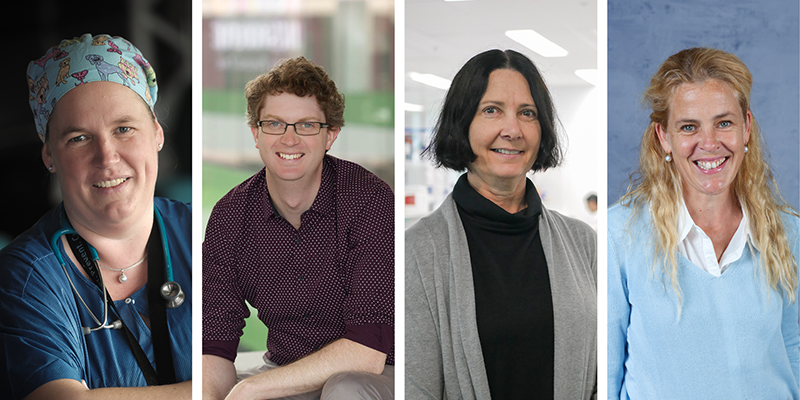
High prevalence of hearing loss in urban Aboriginal infants: the Djaalinj Waakinj cohort studyChris Deborah Tamara Brennan-Jones Lehmann Veselinovic PhD AO, MBBS, MSc BSc(Hons) MClinAud PhD Head, Ear and Hearing Health Honorary Emeritus Fellow
Research
Indigenous peoples and inclusion in clinical and genomic research: Understanding the history and navigating contemporary engagementDespite significant improvements in pediatric cancer survival outcomes, there remain glaring disparities in under-represented racial and ethnic groups that warrant mitigation by the scientific and clinical community. To address and work towards eliminating such disparities, the Pacific Pediatric Neuro-Oncology Consortium (PNOC) and Children's Brain Tumor Network (CBTN) established a Diversity, Equity, and Inclusion (DEI) working group in 2020. The DEI working group is dedicated to improving access to care for all pediatric patients with central nervous system (CNS) tumors, broadening diversity within the research community, and providing sustainable data-driven solutions.
Research
The Social and Emotional Well-being of Indigenous Peoples Living With Diabetes: A Systematic Review ProtocolGlobally, Indigenous people have a greater incidence and earlier onset of diabetes than the general population and have higher documented rates of emotional distress and mental illness. This systematic review will provide a synthesis and critical appraisal of the evidence focused on the social and emotional well-being of Indigenous peoples living with diabetes, including prevalence, impact, moderators, and the efficacy of interventions.
Research
Peer-led Aboriginal parent support: Program development for vulnerable populations with participatory action researchThe themes that emerged from the data and addressed the methodological aim were the need for safe communication processes; supportive engagement processes and supportive organisational processes.
Research
An Evaluation of the National Empowerment Project Cultural, Social, and Emotional Wellbeing ProgramParticipant’s interviews describe how the Cultural, Social and Emotional Well Being(CSEWB) Program significantly changed their lives and their families’ lives in various constructive and affirming ways to bring about positive outcomes.
Research
Strongyloides seroprevalence before and after an ivermectin mass drug administration in a remote Australian Aboriginal communityWe report the impact on Strongyloides seroprevalence after two oral ivermectin mass drug administrations (MDAs) delivered 12 months apart in a remote Australian Aboriginal community.
Research
Exploring factors impacting early childhood health among Aboriginal and Torres Strait Islander families and communitiesThe impact of perinatal outcomes, maternal social and health outcomes and level of culturally secure service availability on the health outcomes of Western Australian Aboriginal infants and children