
Search
Showing results for " https://www.galaxus.ch/en/sector/showdiscussion/hacking-snap-visit-kunghaccom-yv6qjkq1-222072"

Discover what's best for you, your pregnancy, baby or child at the Pregnancy Babies & Children's Expo - the must see parenting event of the year!
West Australian study will look at the breathing and airway problems of children and with cerebral palsy (CP) to prevent serious respiratory problems

by Dr Shivanthan Shanthikumar
Rare diseases (RD) are conditions affecting fewer than 1 in 2000 persons, with over 7000 largely genetic RDs affecting 3.5 %-5.9 % of the global population, or approximately 262.9–446.2 million people. The substantial healthcare burden and costs, such as the $1 trillion annual expense in the USA, highlight the urgent need for improved RD management. The International Rare Diseases Research Consortium (IRDiRC) addresses this need through global collaboration, aiming for timely and accurate diagnosis, development of 1000 new therapies, and methodologies to measure impact by 2027.
One in four Australian children aged five years and under are overweight or obese. This program promoted healthful lifestyle behaviours to prevent obesity in children and families attending playgroups.
The aim of RESP-ACT is to reduce these children’s respiratory hospital admissions and visits to Emergency Department, and to help them and their families to have as the best possible quality of life.

Personalised medicine for childhood cancers in West Australia is a step closer thanks to the Zero Childhood Cancer program’s state clinical trial launched today
Antimicrobial resistance (AMR) is a global healthcare emergency, directly causing 1.3 million deaths per year and predicted to increase dramatically over the coming decades. Understanding the molecular mechanisms underpinning antibiotic resistance is central to approaches for AMR surveillance and diagnosis in a clinical laboratory.
A hallmark of Listeria (L.) monocytogenes pathogenesis is bacterial escape from maturing entry vacuoles, which is required for rapid bacterial replication in the host cell cytoplasm and cell-to-cell spread. The bacterial transcriptional activator PrfA controls expression of key virulence factors that enable exploitation of this intracellular niche.
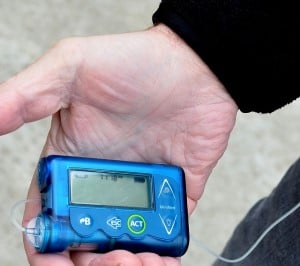
The study involved screening young people to learn more about the development of long-term kidney, eye and cardiovascular complications in adolescents with T1D.