
Search
News & events at Walyan Respiratory Research Centre.
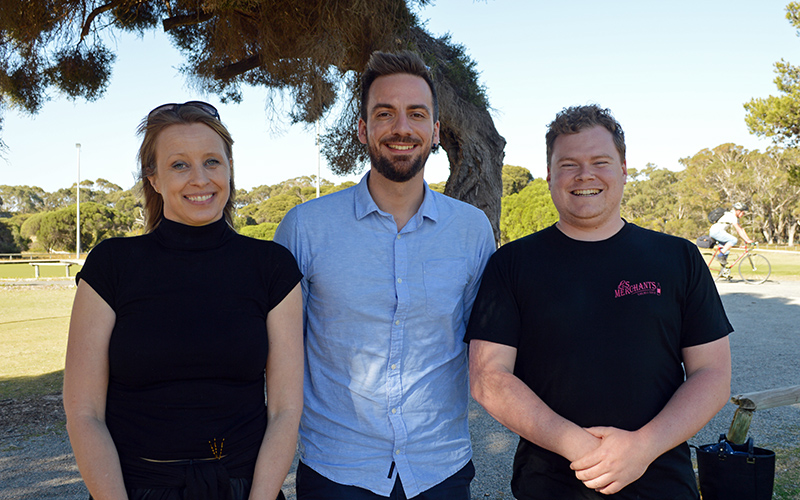
Congratulations to Dr Montgomery, Dr Iosifidis and Dr D’Vaz on winning the Wal-yan Centre's inaugural seed funding competition.
Perth researchers have found toxic and harmful chemicals in several dozen e-cigarette liquids readily available in Australia.
MEDIA ENQUIRIES Media Contacts About the Wal-yan Respiratory Research Centre Please direct general enquiries to our reception on (08) 6319 1000.
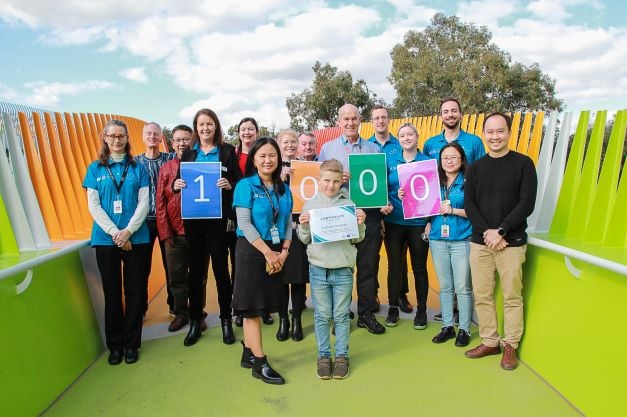
The MAVRIC (Mechanisms of Acute Viral Respiratory Infection in Children) study recently celebrated the recruitment of the 1000th participant to the study, eight-year-old Sullivan Strahan.

Analysis of worldwide research shows that despite advances in neonatal care, preterm babies have lower lung function throughout their life.
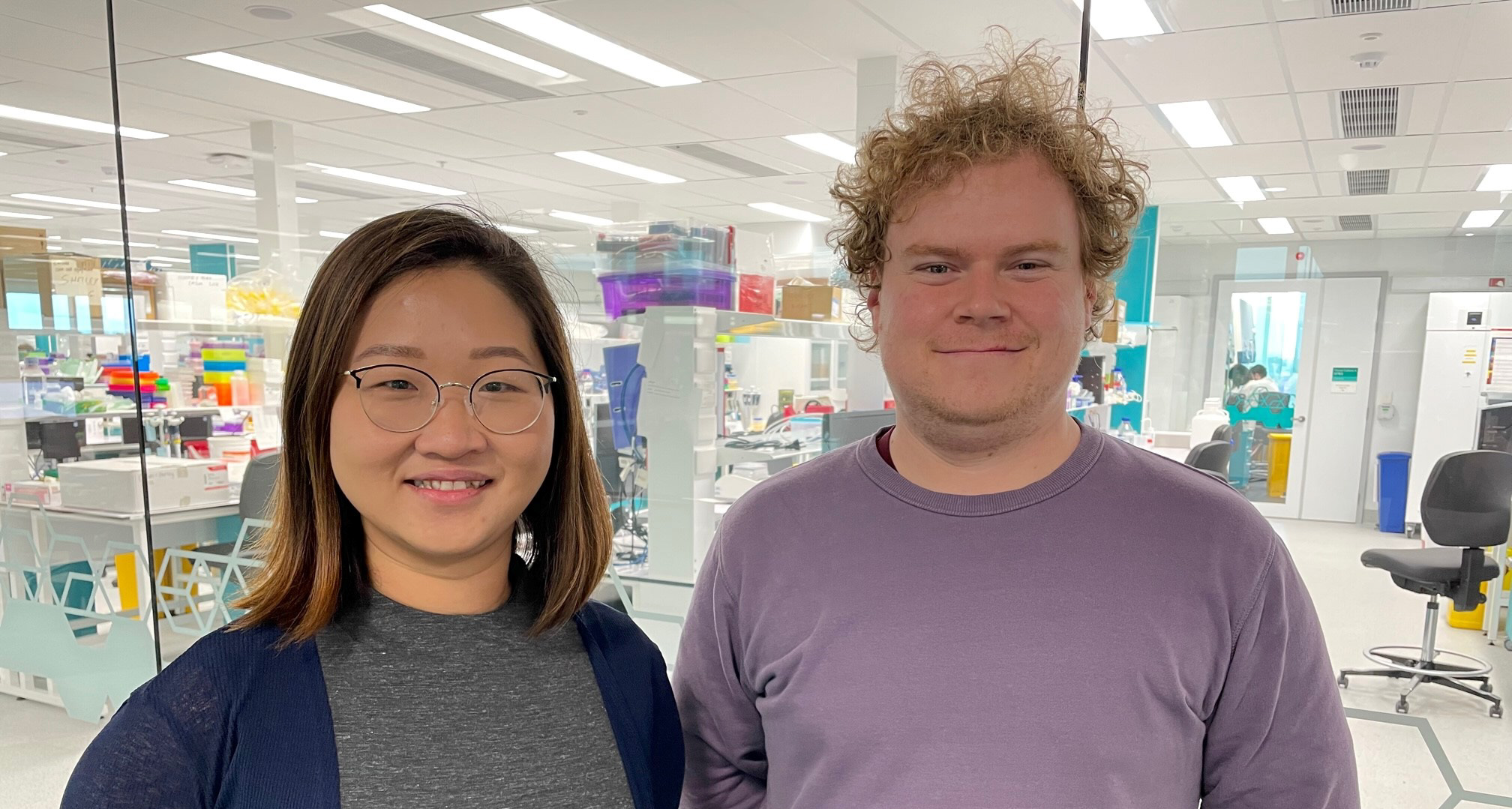
Two outstanding researchers from the Wal-yan Respiratory Research Centre have been awarded Vertex Cystic Fibrosis (CF) Mentored Innovation Research Awards.
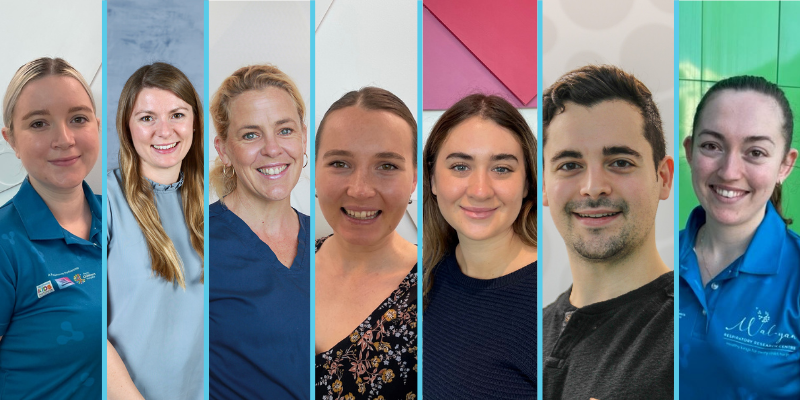
A large contingent of researchers from the Wal-yan Respiratory Research Centre are heading to Spain in September to participate in the European Respiratory Society (ERS) International Congress – the largest respiratory meeting in the world.
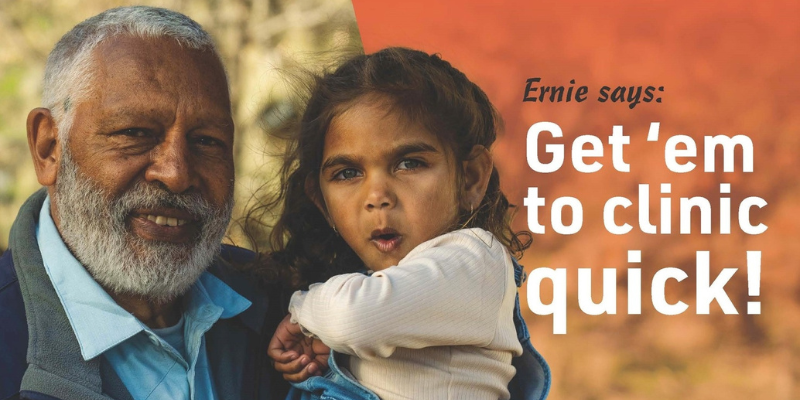
September marks the three-month milestone of an intensive health promotion campaign in the East Kimberley region, which aims to raise awareness of the dangers of a chronic wet cough in Aboriginal children.
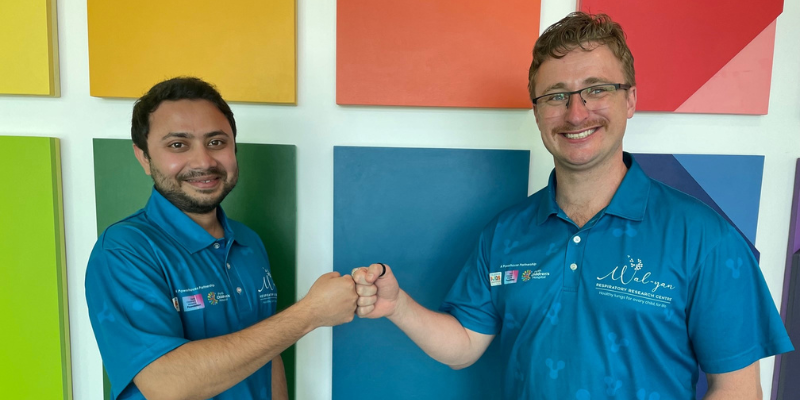
As part of the Wal-yan Respiratory Research Centre’s aim to support the next generation of scientists in children’s respiratory research, a competitive scholarship program was introduced this year.