Search
Research
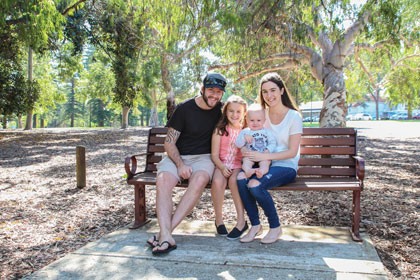
Regular exercise improves the well-being of parents of children with cancerMental health benefits of a pedometer-based exercise intervention for parents of children with cancer were identified.
Research
Risk of cancer among children with birth defects: A novel approachThis novel approach aimed to prevent inflated hazard ratios arising from reverse causation, and allow identification of associations beyond those already...
News & Events
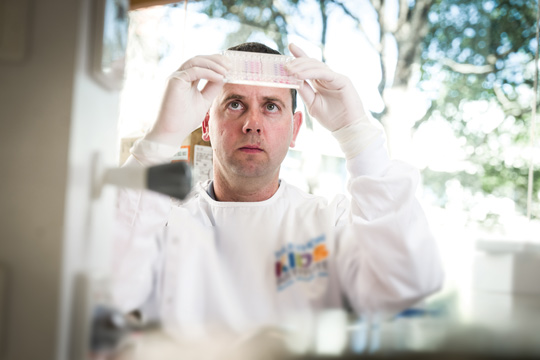
Researcher to run 30 marathons in 30 days for kids with brain cancerOn Monday 1 September, childhood cancer researcher Jacob Byrne is lacing up his running shoes and taking the first steps of an extraordinary challenge: 30 marathons in 30 days across Perth.
News & Events
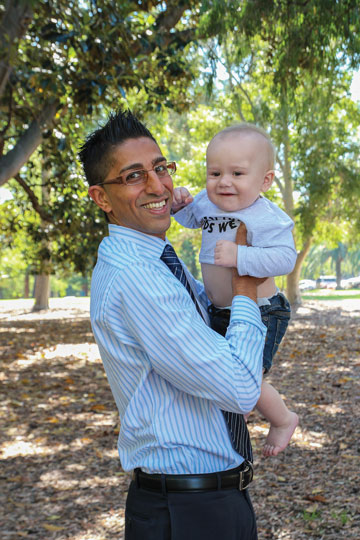
Pioneering paediatric oncologist receives top cancer research awardAssociate Professor Rishi Kotecha, Co-Head of Leukaemia Translational Research at The Kids Research Institute Australia Cancer Centre and Consultant Paediatric Oncologist at Perth Children's Hospital, has been named Cancer Council WA’s 2024 Cancer Researcher of the Year.
Research
LeukaemiaLeukaemia, also spelled leukemia, is a cancer that develops in the bone marrow and results in abnormal white blood cells. It is the most common cancer in children, accounting for almost a third of all childhood & teen cancers.
Research
Current gaps in knowledge and future research directions for Aboriginal and Torres Strait Islander children with cancerPaediatric cancer is the leading cause of disease-related death in Australian children. Limited research focuses on cancer in Aboriginal and Torres Strait Islander children. Although there appears to be a lower incidence of cancer overall in Aboriginal and Torres Strait Islander children compared with non-Indigenous children, a high proportion of Aboriginal and Torres Strait Islander children are diagnosed with acute myeloid leukaemia.
Research
SNO-EANO-EURACAN consensus on management of pineal parenchymal tumorsPineal parenchymal tumors are rare neoplasms for which evidence-based treatment recommendations are lacking. These tumors vary in biology, clinical characteristics, and prognosis, requiring treatment that ranges from surgical resection alone to intensive multimodal antineoplastic therapy.
Research
Deciphering IGH rearrangement complexity and detection strategies in acute lymphoblastic leukaemiaAcute lymphoblastic leukaemia is a highly heterogeneous malignancy characterised by various genomic alterations that influence disease progression and therapeutic outcomes. Gene fusions involving the immunoglobulin heavy chain gene represent a complex and diverse category.
Research
Editorial: Bench to bedside: translating pre-clinical research into clinical trials for childhood brain tumorsNick Raelene Gottardo Endersby MBChB FRACP PhD BSc (Hons) PhD Head of Paediatric and Adolescent Oncology and Haematology, Perth Children’s Hospital;
Research
Exploiting temporal aspects of cancer immunotherapyMany mechanisms underlying an effective immunotherapy-induced antitumour response are transient and critically time dependent. This is equally true for several immunological events in the tumour microenvironment induced by other cancer treatments. Immune checkpoint therapy (ICT) has proven to be very effective in the treatment of some cancers, but unfortunately, with many cancer types, most patients do not experience a benefit.