
Search
Ambient heat exposure during pregnancy is associated with adverse outcomes, and adverse neurodevelopmental outcomes are an emerging concern. This scoping review synthesises human and animal evidence on the association between prenatal ambient heat exposure and poor neurodevelopmental outcomes.
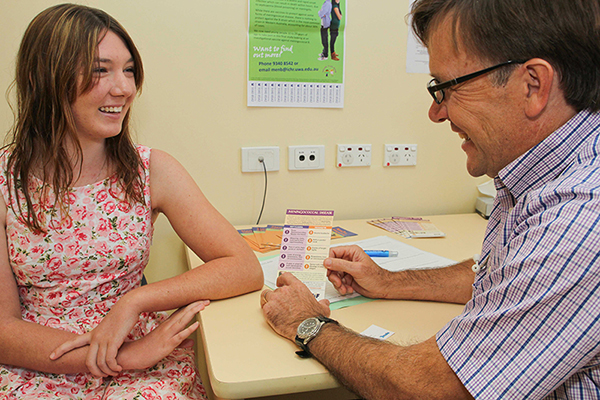
Meningococcal disease is caused by the bacteria Neisseria meningitidis, or 'meningococcus'. It is an uncommon but very serious disease that can result in death if not recognised and treated quickly.
Malaria imposes a significant global health burden and remains a major cause of child mortality in sub-Saharan Africa. In many countries, malaria transmission varies seasonally. The use of seasonally-deployed interventions is expanding, and the effectiveness of these control measures hinges on quantitative and geographically-specific characterisations of malaria seasonality.
CDKL5 deficiency disorder is a rare and severe developmental and epileptic encephalopathy that has profound effects on communication. It is essential that communication be measured accurately for upcoming gene therapy trials. The Communication Inventory Disability-Observer Reported was developed from a framework of communication derived from parent/caregiver interview data in consultation with disability and communication experts, and after reviewing concepts in existing measures.
The growing global prevalence of autism spectrum disorder is associated with increasing costs for support services. Ascertaining the effects of a successful preemptive intervention for infants showing early behavioral signs of autism on human services budgets is highly policy relevant.
CDKL5 deficiency disorder (CDD) results in early-onset epilepsy and lifelong cognitive and motor impairments. With no validated measure for communication in CDD, this study evaluated the psychometric properties of the Communication and Symbolic Behavior Scales-Developmental Profile Infant Toddler Checklist.
Individuals with borderline personality disorder (BPD) are at a substantial risk of harm to themselves and others, experience high levels of functional impairment and typically are high users of tertiary healthcare to address their mental health concerns. As indicators for BPD typically emerge in adolescence, a day therapy service in Bentley, Western Australia, Touchstone Child and Adolescent Mental Health Service (CAMHS), was developed as an intensive intervention for adolescents with indicators for BPD and its associated symptomology.
The Repetitive Behaviours Questionnaire for Adults (RBQ-2A) measures two factors of restricted and repetitive behaviours (RRBs) associated with autism. However, the Diagnostic and Statistical Manual of Mental Disorders (DSM-5) provides four criteria for RRBs: repetitive motor behaviours, insistence on sameness, restricted interests, and interest in sensory aspects of the environment (or atypical sensitivity).
Infection by group A Streptococcus (Strep A) results in a diverse range of clinical conditions, including pharyngitis, impetigo, cellulitis, necrotising fasciitis, and rheumatic heart disease. In this article, we outline the recommended strategies for Strep A treatment and prevention and review the literature for economic evaluations of competing treatment and prevention strategies.
Both fetal and tumor tissue microenvironments display immunosuppressive features characterized by the presence of specific immunomodulatory stromal and immune cell populations. Recently, we discovered shared microenvironments between hepatocellular carcinoma and fetal tissues and described this phenomenon as an oncofetal ecosystem.