
Search
Showing results for " https://www.galaxus.ch/en/sector/showdiscussion/hacking-snap-visit-kunghaccom-yv6qjkq1-222072"

Have you seen the recent news about Type1Screen, a free new nationwide program that aims to better detect a child's risk of developing type 1 diabetes?

Leaders of Western Australia’s youth mental health research sector from Embrace at The Kids Research Institute Australia have welcomed the state government’s $420 million boost to mental health spending in its 2023-24 budget.

Players from Perth Scorchers’ KFC Big Bash team paid an unexpected visit to cricket fans in PMH’s diabetes ward recently.
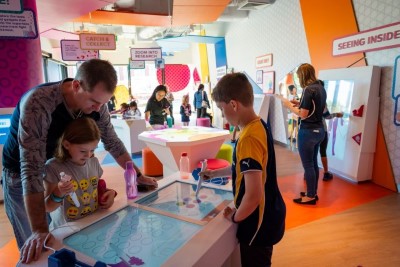
Beat the heat these school holidays by visiting the The Kids Discovery Centre.v

The Diabetes Service at Perth Children’s Hospital cares for approximately 1000 children with diabetes. Read these tips to ensure you have a good visit.
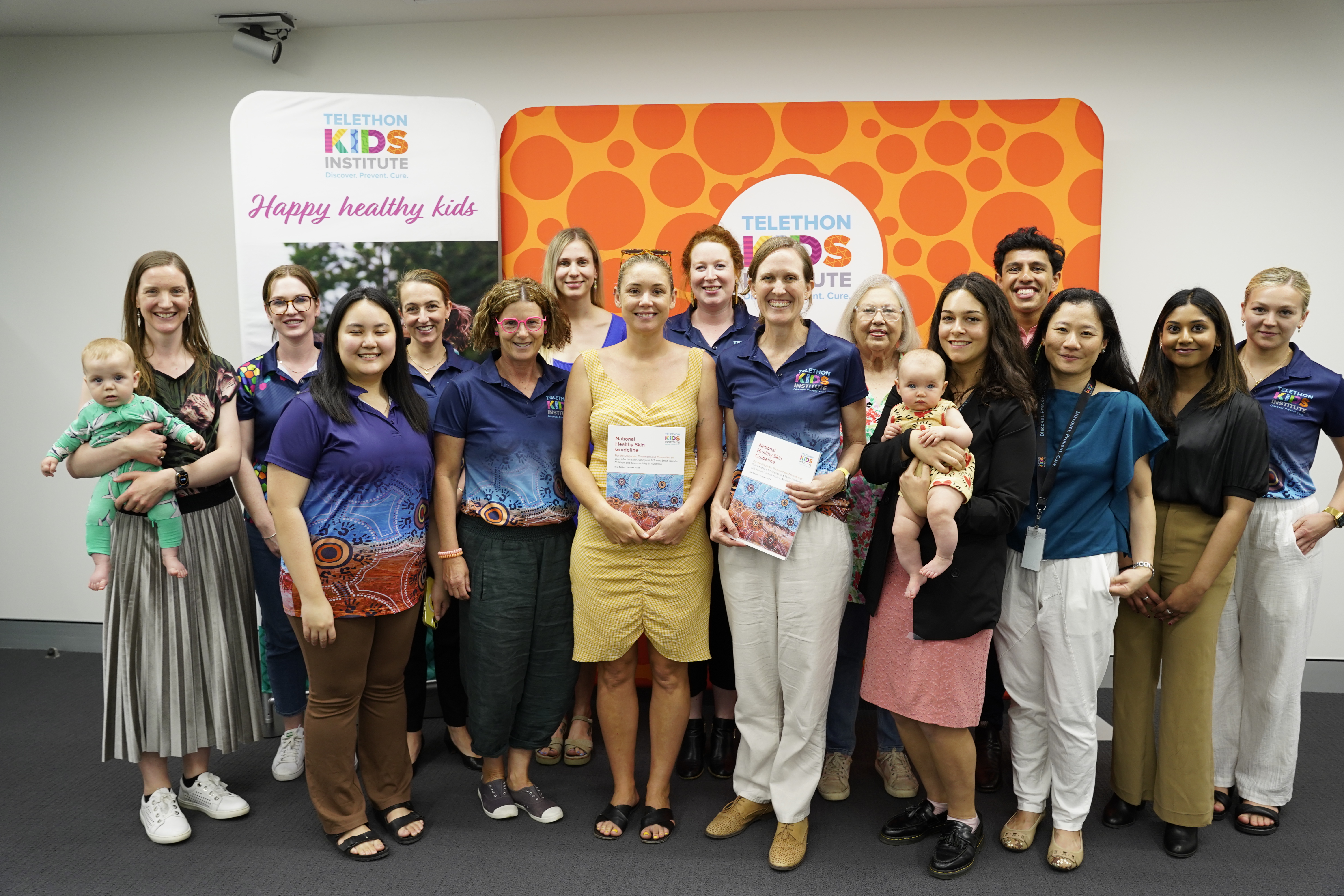
A new National Healthy Skin Guideline has been launched by The Kids Research Institute Australia, to help health care providers identify, diagnose and treat a range of skin conditions experienced by Aboriginal and Torres Strait Islander people in urban and remote areas.
To translate and validate the HLS-Child-Q15, a relatively short questionnaire for assessing health literacy in children originally validated in German, into English to make it accessible to a large population of English-speaking children.

Find all the events the Children's Diabetes Centre have scheduled for 2016.
Staphylococcus aureus bloodstream infection is traditionally treated with at least 2 weeks of intravenous antibiotics in adults, 3-7 days in children, and often longer for those with complicated disease. The current practice of treating S. aureus bacteremia with prolonged IV antibiotics (rather than oral antibiotics) is based on historical observational research and expert opinion. Prolonged IV antibiotic therapy has significant disadvantages for patients and healthcare systems, and there is growing interest in whether a switch to oral antibiotics following an initial period of IV therapy is a safe alternative for clinically stable patients.
Andrew Videos Whitehouse Watch and listen to Andrew PhD Deputy Director (Research); Angela Wright Bennett Professor of Autism Research at The Kids