
Search
Less than 20% of Australians with type 1 diabetes (T1D) meet recommended glucose targets. Technology use is associated with better glycaemia, with the most advanced being automated insulin delivery (AID) systems, which are now recommended as gold-standard T1D care. Our Australian AID trial shows a wide spectrum of adults with T1D can achieve recommended targets. Other studies, including lived experience data, are supportive. Insulin pumps are not subsidised for most Australian adults with T1D. We advocate change.
One third of Australian children diagnosed with type 1 diabetes present with life-threatening diabetic ketoacidosis (DKA) at diagnosis. Screening for early-stage, presymptomatic type 1 diabetes, with ongoing follow-up, can substantially reduce this risk (<5% risk). Several screening models are being trialled internationally, without consensus on the optimal approach. This pilot study aims to assess three models for a routine, population-wide screening programme in Australia.
The evidence about the acceptability and effectiveness of innovative paediatric models of care for Type 1 diabetes is limited. To address this gap, we synthesised literature on implemented models of care, model components, outcomes, and determinants of implementation and sustainability.
The ESCALATION system is a novel paediatric Early Warning System that incorporates family involvement and sepsis recognition. This study aimed to assess the feasibility and iteratively refine the ESCALATION system in a variety of hospital settings in preparation for full-service implementation.
Dietary patterns characterised by high intakes of vegetables may lower the risk of pre-eclampsia and premature birth in the general population. The effect of dietary patterns in women with type 1 diabetes, who have an increased risk of complications in pregnancy, is not known.
Besides the challenges associated with their teenage years, adolescents with Type 1 Diabetes (T1D) encounter additional challenges of having a chronic condition.
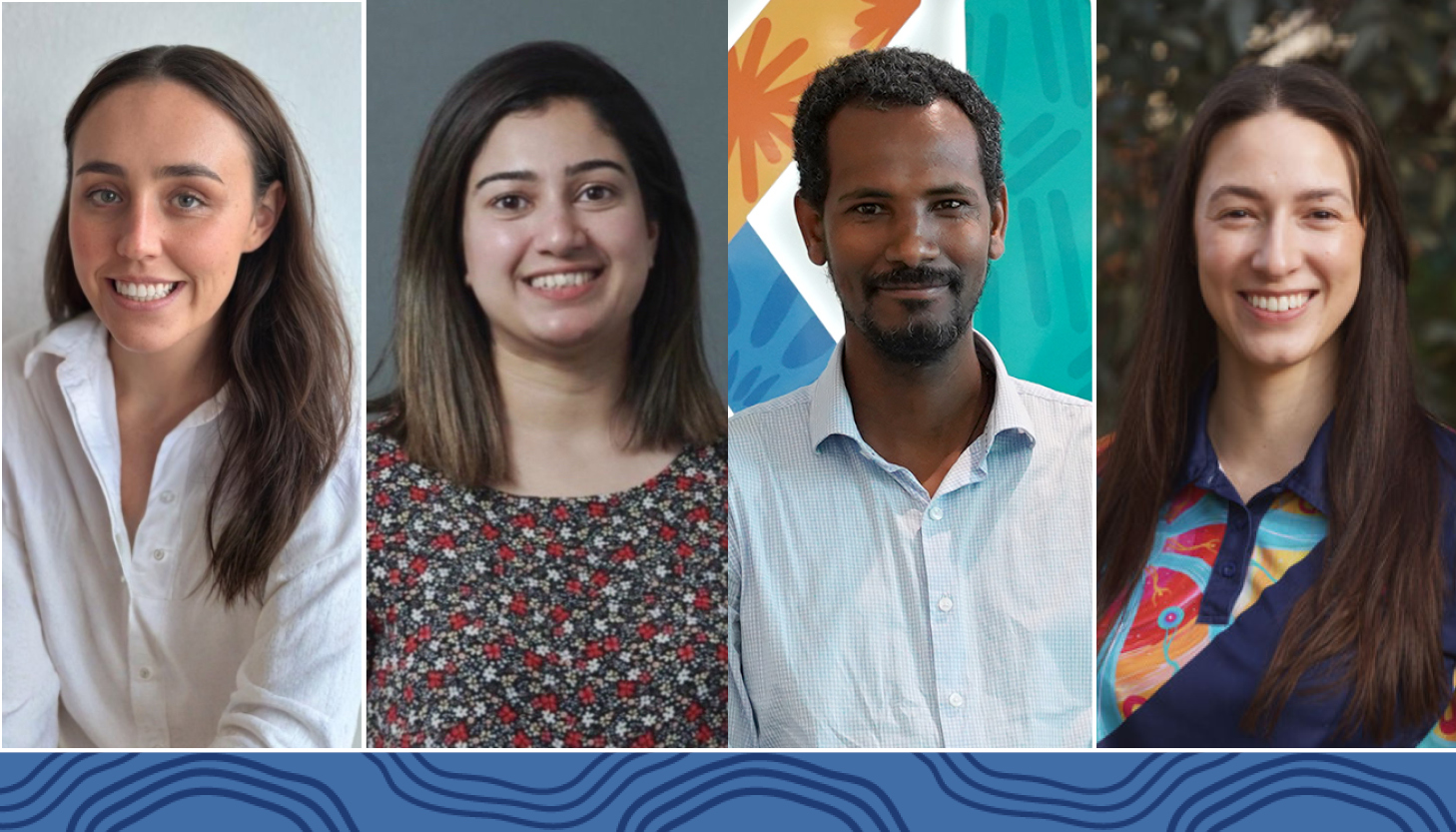
Congratulations to four outstanding early-career researchers from The Kids Research Institute Australia, who have been awarded BrightSpark Foundation fellowships and project funding for 2026.

The Centre is currently involved in an international effort to develop revolutionary closed- loop 'artificial pancreas' technology. It is also leading a multi-centre Australian trial of these portable devices at home in young people with diabetes.
To determine the efficacy of advanced hybrid closed-loop therapy in a high-risk cohort of youth on continuous subcutaneous insulin infusion with or without continuous glucose monitoring with suboptimal glycemia.
Given limited data regarding the involvement of disadvantaged groups in paediatric diabetes clinical trials, this study aimed to evaluate the socioeconomic representativeness of participants recruited into a multinational clinical trial in relation to regional and national type 1 diabetes reference populations.