
Search
Indigenous children in colonised nations experience high rates of health disparities linked to historical trauma resulting from displacement and dispossession, as well as ongoing systemic racism. Skin infections and their complications are one such health inequity, with the highest global burden described in remote-living Australian Aboriginal and/or Torres Strait Islander (hereafter respectfully referred to as Aboriginal) children. Yet despite increasing urbanisation, little is known about the skin infection burden for urban-living Aboriginal children.
Streptococcus pyogenes, also known as group A streptococcus (StrepA), is a bacterium that causes a range of human diseases, including pharyngitis, impetigo, invasive infections, and post-infection immune sequelae such as rheumatic fever and rheumatic heart disease. StrepA infections cause some of the highest burden of disease and death in mostly young populations in low-resource settings. Despite decades of effort, there is still no licensed StrepA vaccine, which if developed, could be a cost-effective way to reduce the incidence of disease.
Since 1955, the recommended strategy for rheumatic heart disease secondary prophylaxis has been benzathine penicillin G injections administered intramuscularly every 4 weeks. Due to dosing frequency, pain, and programmatic challenges, adherence is suboptimal. It has previously been demonstrated that BPG delivered subcutaneously at a standard dose is safe and tolerable and has favorable pharmacokinetics, setting the scene for improved regimens with less frequent administration.
In remote communities of northern Australia, First Nations children with hearing loss are disproportionately at risk of poor school readiness and performance compared to their peers with no hearing loss. The aim of this trial is to prevent early childhood persisting otitis media (OM), associated hearing loss and developmental delay.
Rheumatic heart disease (RHD) is the most common form of acquired heart disease worldwide. In RHD, volume loading from mitral regurgitation leads to left ventricular (LV) dilatation, increased wall stress, and ultimately LV dysfunction. Improved understanding of LV dynamics may contribute to refined timing of intervention.
Urinary tract infections (UTIs) due to MDR organisms are increasingly common. The lack of paediatric data on efficacious antibiotics makes UTI treatment particularly challenging. Data on the efficacy of fosfomycin use for UTI in children are variable.
Regular intramuscular (i.m.) benzathine penicillin G (BPG) injections have been the cornerstone of rheumatic heart disease (RHD) secondary prophylaxis since the 1950s. Patient adherence to IM BPG is poor, largely due to pain, the need for regular injections every 3-4 weeks and health sector delivery challenges in resource-limited settings. There is an urgent need for new approaches for secondary prophylaxis, such as an implant which could provide sustained penicillin concentrations for more than 6 months.
Rheumatic heart disease (RHD) is responsible for a significant burden of cardiovascular morbidity and mortality, and remains the most common cause of acquired heart disease among children and young adults in low-income and middle-income countries. Additionally, the global COVID-19 pandemic has forced the emergency restructuring of many health systems, which has had a broad impact on health in general, including cardiovascular disease.
Group A Streptococcus (GAS) causes pharyngitis (sore throat) and impetigo (skin sores) GAS pharyngitis triggers rheumatic fever (RF) with epidemiological evidence supporting that GAS impetigo may also trigger RF in Australian Aboriginal children. Understanding the concurrent burden of these superficial GAS infections is critical to RF prevention. This pilot study aimed to trial tools for concurrent surveillance of sore throats and skins sore for contemporary studies of RF pathogenesis including development of a sore throat checklist for Aboriginal families and pharynx photography.
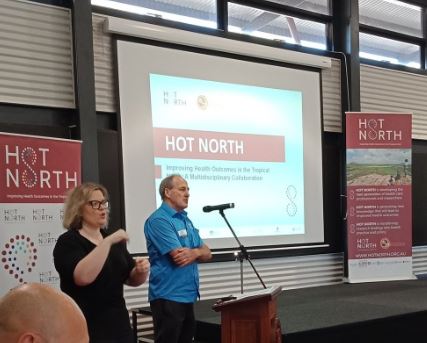
Over 100 researchers and health professionals from around Australia have united in Broome this week to address the major health battles facing people living in the tropical north of the country.