
Search
Cohort studies investigating respiratory disease pathogenesis aim to pair mechanistic investigations with longitudinal virus detection but are limited by the burden of methods tracking illness over time. In this study, we explored the utility of a purpose-built AERIAL TempTracker smartphone app to assess real-time data collection and adherence monitoring and overall burden to participants, while identifying symptomatic respiratory illnesses in two birth cohort studies.
Children's physical activity and screen time behaviours impact their physical health and well-being. In Australia, less than half of children meet daily physical activity recommendations and only one-third meet daily screen time recommendations.
Globally, rates of children with physical and mental health problems are increasing. Health issues in early childhood often persist into adulthood, highlighting the need to ensure children are supported to flourish from the start of life.
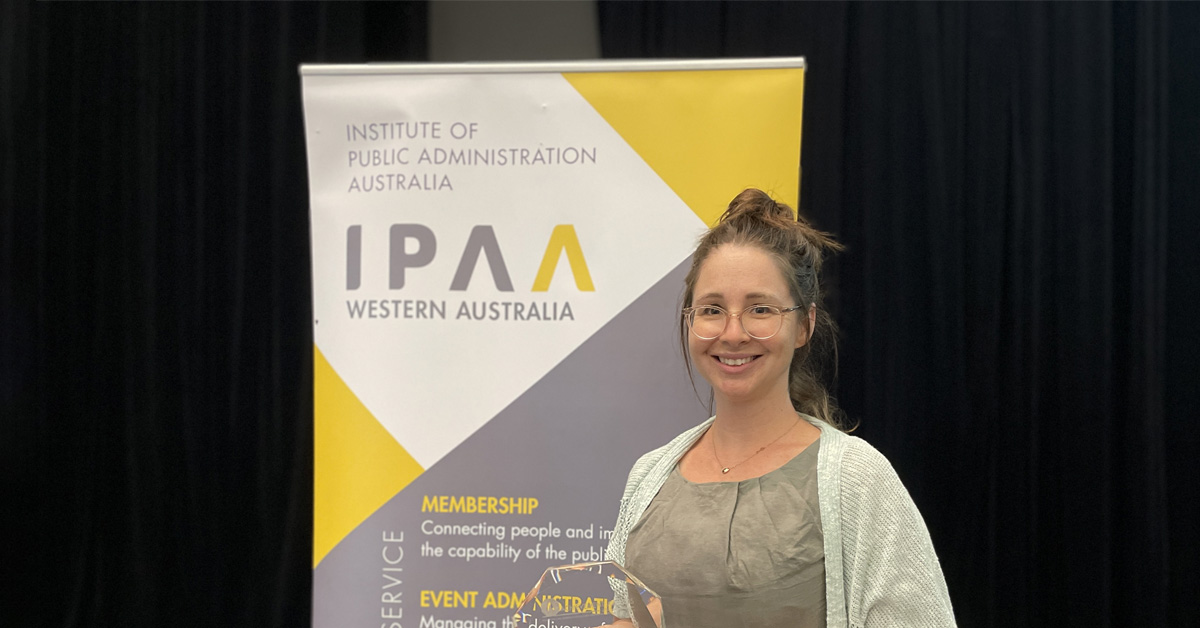
The Kids Research Institute Australia researchers who worked with young people to develop an app designed to help teenagers stay safe in the sun have been named joint winners of a new award for ‘Best Practice in Children’s Consultation’.
The generous support of West Australians through Channel 7’s Telethon Trust will help support crucial child health research at The Kids Research Institute Australia in 2022.
Social media allows users to connect with others’ experiences and points of view, with TikTok being the fastest-growing platform worldwide. Highly viewed videos related to neurodiversity on TikTok have an increasing role in understanding and acceptance of neurodivergent individuals.
As families increase their use of mobile touch screen devices (smartphones and tablet computers), there is potential for this use to influence parent-child interactions required to form a secure attachment during infancy, and thus future child developmental outcomes. Thirty families of infants (aged 9-15 months) were interviewed to explore how parents and infants use these devices, and how device use influenced parents' thoughts, feelings and behaviours towards their infant and other family interactions.
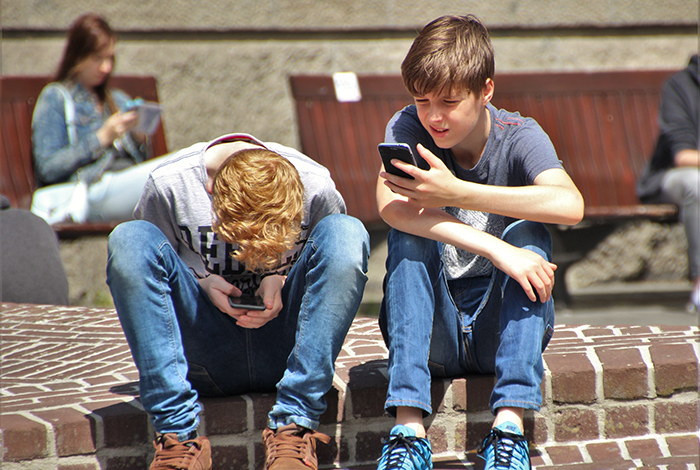
The Kids Research Institute Australia cyber safety expert Professor Donna Cross says parents should use the ‘three C’s’ to help keep their children safe online.
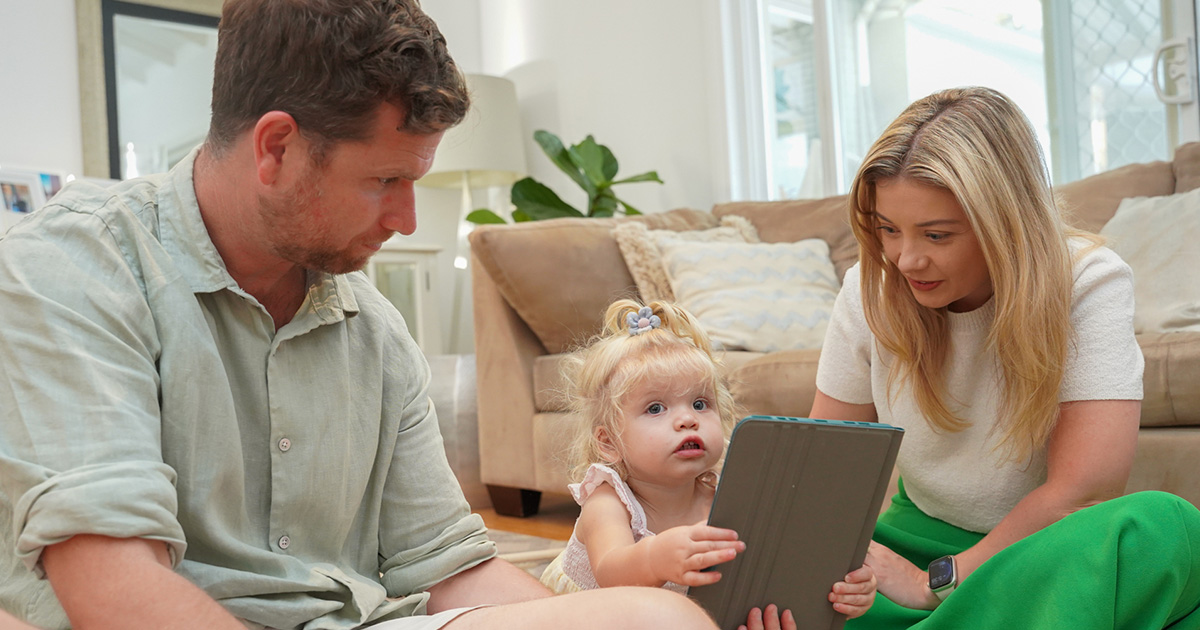
A first-of-its kind study has found that for every minute of screen time toddlers are exposed to at home, they hear fewer adult words, make fewer vocalisations and engage in fewer back-and-forth conversations with their parents.

A study of ORIGINS families has revealed a positive aspect to the COVID pandemic, with families found to benefit from the extra time together during lockdowns and mobile devices proving useful for helping them stay in touch with extended family and friends and for activities such as online classes.