
Search
Few longitudinal studies have investigated how cyberbullying interacts with traditional bullying among young people, who are increasingly using online...
Cyberbullying is a form of online harassment, where the bullying is carried out through the use of modern technology.

The Kids Research Institute Australia researchers have found a strong link between excessive internet use and increased levels of psychological distress, including suicidal t
Even in the safety of their home, there are many risky places a child or teenager can visit online. This can be due to the content they see, who they come into contact with, and personal information they share.

Bankwest and The Kids Research Institute Australia have announced a new partnership, bringing together two iconic Western Australian organisations to support parents in their cyber safety battle.

Anti-bullying organisation Dolly’s Dream has partnered with The Kids Research Institute Australia to get Beacon, the free cyber safety app, into the hands of parents and carers across the nation.
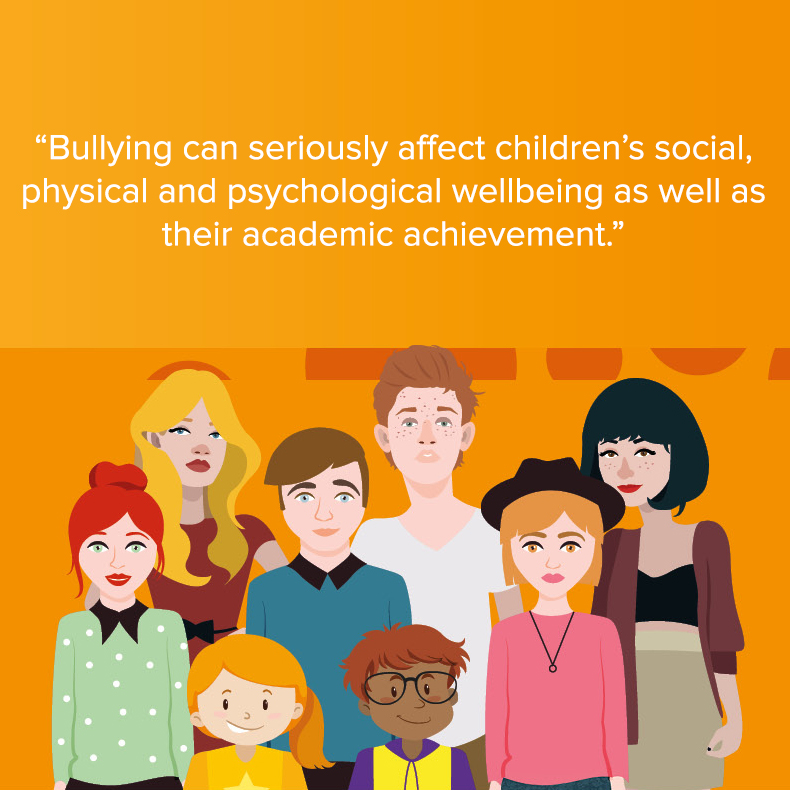
Infographics to easily learn more about bullying and what actions to take should bullying be an issue in your school or community.
Bullying is now regarded as a health problem and not just a disciplinary problem. Increasing evidence shows both traditional bullying (e.g. hitting, teasing) and cyberbullying have lasting effects on young people (both those who bully and those who are bullied), including damage to self-esteem, academic results and mental health.
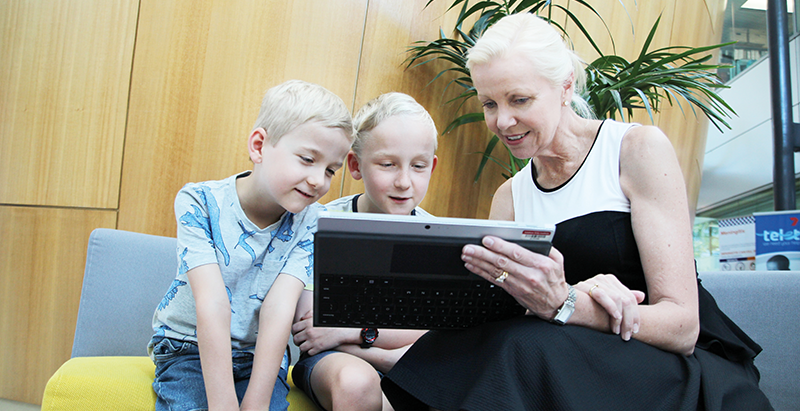
Schools from around the globe have turned to The Kids Research Institute Australia, seeking access to invaluable lessons learned from Australian students on how to effectively reduce harm from cyberbullying.
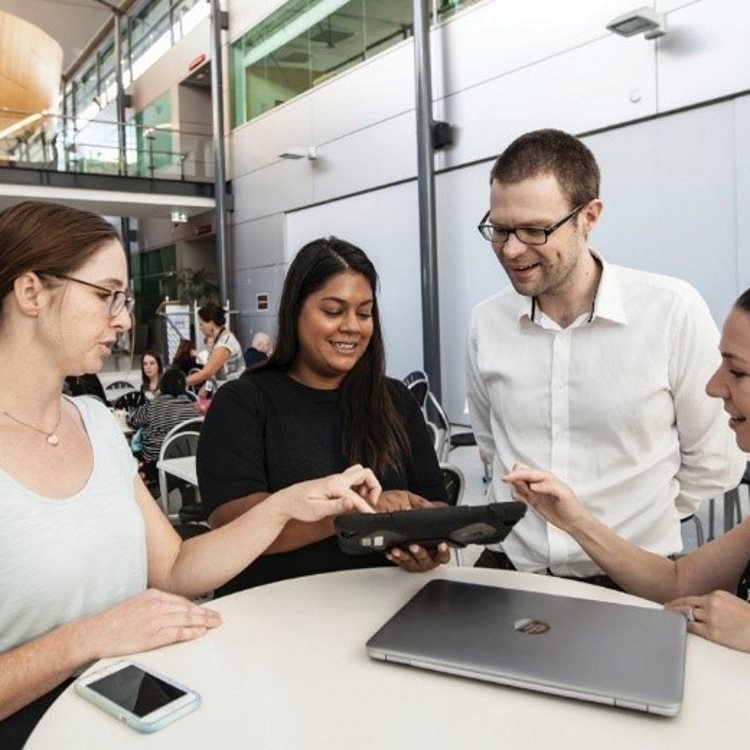
Researchers at The Kids are harnessing the power of apps and other online tools to ensure the results of their research reach those who need it most – children, young people and families.