
Search

Head, Developmental Chronobiology
Instability of peripheral oxyhemoglobin saturation (SpO2) in preterm infants is correlated with late disability and is poorly understood. We hypothesised that a reduced ventilation to perfusion ratio (VA/Q) is the key predisposing factor for SpO2 instability.
Age-specific definitions for acute respiratory distress syndrome (ARDS) are available, including a specific definition for neonates (the "Montreux definition"). The epidemiology of neonatal ARDS is unknown. The objective of this study was to describe the epidemiology, clinical course, treatment, and outcomes of neonatal ARDS.
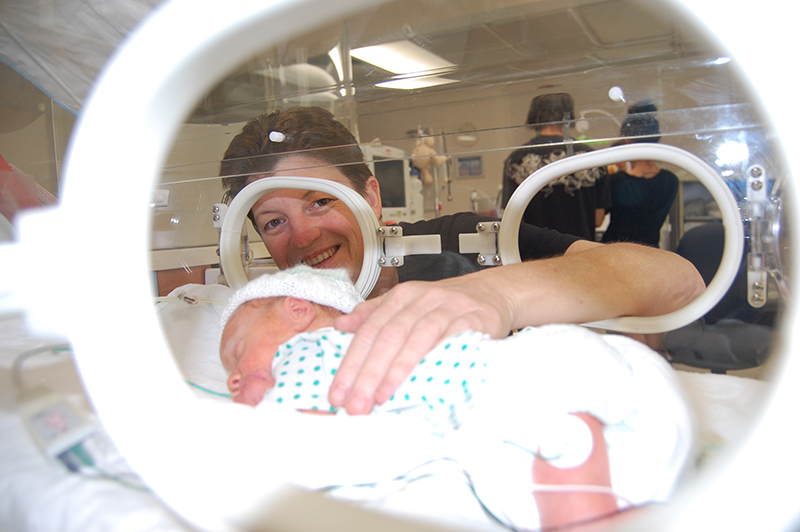
The Chronobiology team works to understand the factors that contribute to poor lung and heart function in newborn infants and find ways to prevent heart and lung disease.
Despite advances in immunotherapy, metastatic melanoma remains a considerable therapeutic challenge due to the complexity of the tumor microenvironment. Intratumoral type I interferon (IFN-I) has long been associated with improved clinical outcomes. However, several IFN-I subtypes can also paradoxically promote tumor growth in some contexts.
Estimate the global prevalence of neurodevelopmental impairment in children with Robin sequence (RS) at one year or more of age.
To examine follow-up outcomes at corrected postnatal age (cPNA) 2 years of preterm infants previously enrolled in an RCT and treated with IN-REC-SUR-E or IN-SUR-E in 35 tertiary neonatal intensive care units.
High-frequency oscillatory ventilation (HFOV) is an established mode of respiratory support in the neonatal intensive care unit. Large clinical trial data is based on first intention use in preterm infants with acute respiratory distress syndrome. Clinical practice has evolved from this narrow population. HFOV is most often reserved for term and preterm infants with severe, and often complex, respiratory failure not responding to conventional modalities of respiratory support.
Surfactant replacement therapy by nebulization to spontaneously breathing patients has been regarded as the Holy Grail since surfactant deficiency was first identified as the cause for neonatal respiratory distress syndrome. It avoids neonatal endotracheal intubation, a procedure that is often difficult and occasionally harmful.
Bronchopulmonary dysplasia (BPD) remains the most common complication of preterm birth with lifelong consequences. Multiple BPD definitions are currently used in daily practice. Uniformity in defining BPD is important for clinical care, research and benchmarking. The aim of this Delphi procedure is to determine what clinicians and researchers consider the key features for defining BPD.