
Search
There is a common mischaracterisation that autistic individuals have reduced or absent empathy. Measurement issues may have influenced existing findings on the relationships between autism and empathy, and the structure of the empathy construct in autism remains unclear.
Aotearoa New Zealand does not provide publicly-funded intensive autism support. While parent-mediated supports are promising, children and families may also benefit from direct clinician support. We tested the efficacy of a low-intensity programme involving parent- and clinician-delivered support for autistic children.
Prescriptions and use of medications to treat mental health conditions in young autistic populations are inconsistent worldwide. This makes it hard to compare findings from international studies to the Australian autistic population, where there are limited relevant studies. Apart from risperidone, there are no other medications specified for direct use in autistic persons. This study aims to gain initial broad understanding of the use of medications, commonly prescribed for mental health conditions, specifically by autistics under the age of 21 years.
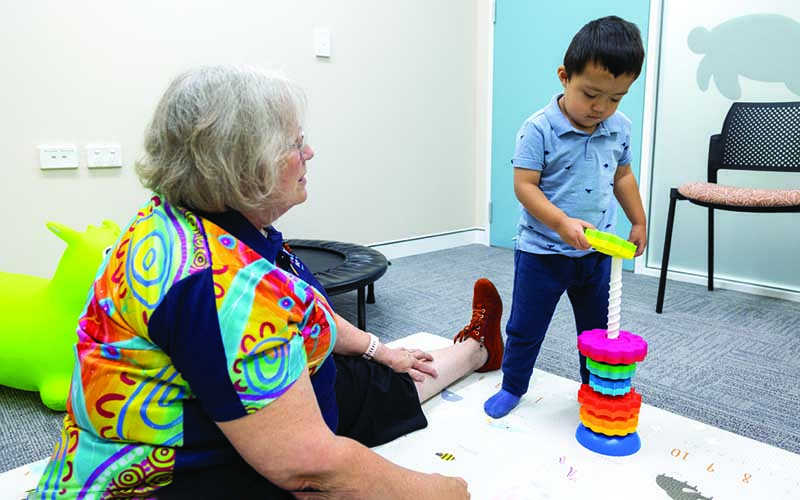
Discover how this family is benefitting from CliniKids' evidence-based therapies.
It is unclear whether sex differences in behavior arising from birth weight (BW) are genuine because of the cross-sectional nature and potential confounding in previous studies. We aimed to test whether sex differences associated with BW phenotype were reproducible using a Mendelian randomization approach, i.e., association between polygenic score (PGS) for BW and behavior outcomes across childhood and adolescence.
We do not know much about what support services people think are okay for young autistic children. This study was a survey of 253 people. We asked autistic adults, parents, and professionals from Australia and New Zealand whether they thought it was okay to provide support services to autistic children.
Autistic children have an increased likelihood of anxiety, but more research is needed on the characteristics that predict various types of anxiety in this population.
This study aimed to understand how parents describe the most challenging behaviors exhibited by their children diagnosed with autism and/or ADHD, how those behaviours impact their family, and whether challenges are directly related to the core characteristics of these conditions.
Parenting is a rewarding experience but is not without its challenges. Parents of Autistic children face additional challenges, and as a result can experience lower levels of wellbeing and more mental health problems (i.e., depression, anxiety, stress). Previous studies have identified concurrent correlates of wellbeing and mental health.
Circumscribed interests encompass a range of different interests and related behaviors that can be characterized by either a high intensity but otherwise usual topic [referred to as restricted interests] or by a focus on topics that are not salient outside of autism [referred to as unusual interests].