
Search
This study presents an optimised cultured ELISpot protocol for detecting central memory T-cell interferon gamma (IFNγ) responses against SARS-CoV-2 peptides following an initial priming with either peptides, or whole spike protein.
The Deborah Lehmann Research Award in Paediatric Infectious Disease Research is a funding mechanism to support the training and development of early- to mid-career researchers (EMCR) or Higher Degree by Research (HDR) students who are nationals from the Pacific Region working in or outside their hom
Influenza vaccination is recommended to protect mothers and their infants from influenza. Few studies have evaluated the association between maternal influenza vaccination and child mortality. We aimed to evaluate the association between in utero exposure to seasonal inactivated influenza vaccine (IIV) and mortality among young children.
Following the end of winter, there has been a persistent absence of severe acute respiratory syndrome coronavirus 2 community transmission and no increase in influenza detections. Limited physical distancing measures have remained in place, with largely no restrictions on gathering sizes and no mandate for wearing masks.
Socio-economic inequality and vaccination inequity have long been critical issues. However, no studies have explored the gap in influenza vaccination uptake between public and private schools. Importantly, the extent to which socio-economic inequality translates into vaccination uptake inequity has not been quantified.
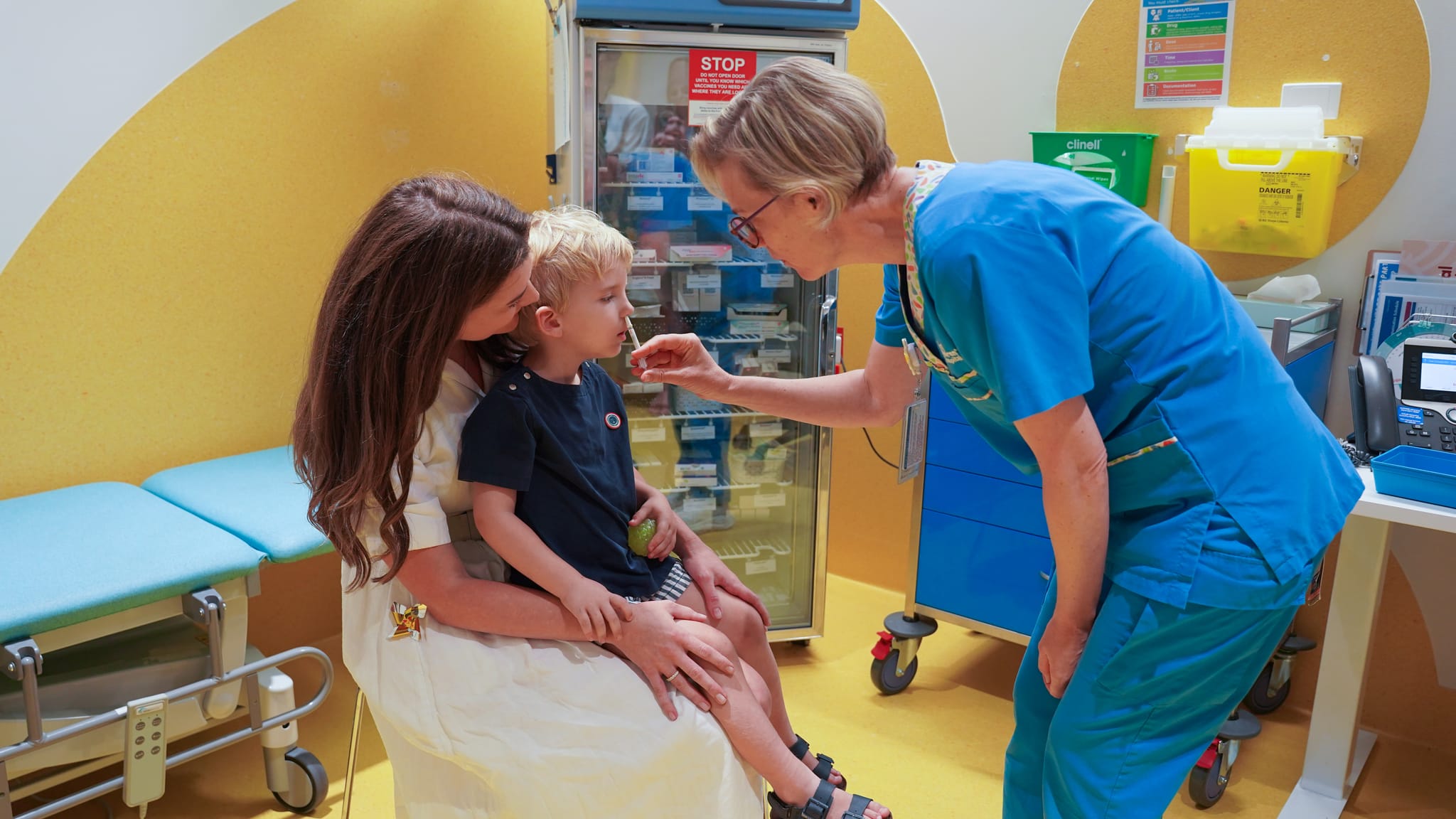
More young Western Australians will have access to needle-free protection against influenza this winter, with the WA Government expanding its nation-leading FluMist® program to include teenagers aged 12 to 17 years.
The COVID-19 pandemic drove the implementation of vaccine mandates to protect spaces and/or increase vaccine uptake, though their design, timing, and scope varied across jurisdictions. This study examines the associations of vaccine mandate announcements and removals with COVID-19 vaccine uptake in France, Italy, and California (USA).
The COVID-19 pandemic evidenced the critical role of vaccination in reducing the severity of illness and the risk of infection. Despite the policies and efforts of governments to increase vaccination uptake, COVID-19 immunization among Australian Aboriginal pregnant women is lower compared to vaccine uptake of non-Indigenous pregnant women.
Infants aged <6 months are vulnerable to severe influenza disease and no vaccine is approved for use in this age group. We aimed to describe the epidemiology, risk factors associated with severe outcomes and management of influenza in Australian infants aged <6 months.

News headlines about the large number of life-threatening cases of the flu in Western Australia this winter have been hard to miss - find out what you can do to protect your family.