
Search
The role Staphylococcus aureus antimicrobial resistance genes and toxins play in disease severity, management and outcome in childhood is an emerging field requiring further exploration.
The objective of this study was to describe the occurrence of skin infection associated hospitalizations in children born in Western Australia (WA).
We examined the impact of introducing a dedicated team to OPAT, to define the role of increased medical oversight in improving patient outcomes in this cohort.
Skin infections are a significant cause of severe disease, requiring hospitalization in Western Australian children, particularly with Aboriginal children
The introduction of a formal medical team to Hospital in the Home (HiTH) demonstrated a positive clinical impact on Parenteral Antimicrobial Therapy (OPAT) patients' outcomes.
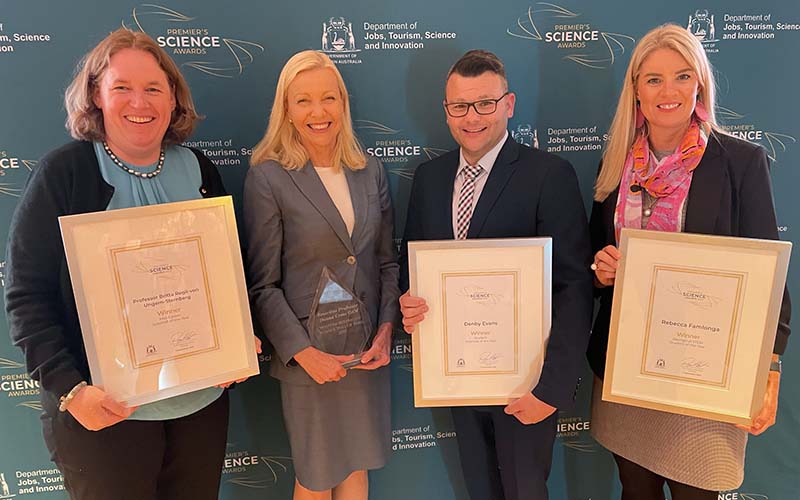
Three outstanding researchers have won 2023 Premier’s Science Awards, with another inducted into the prestigious WA Science Hall of Fame.
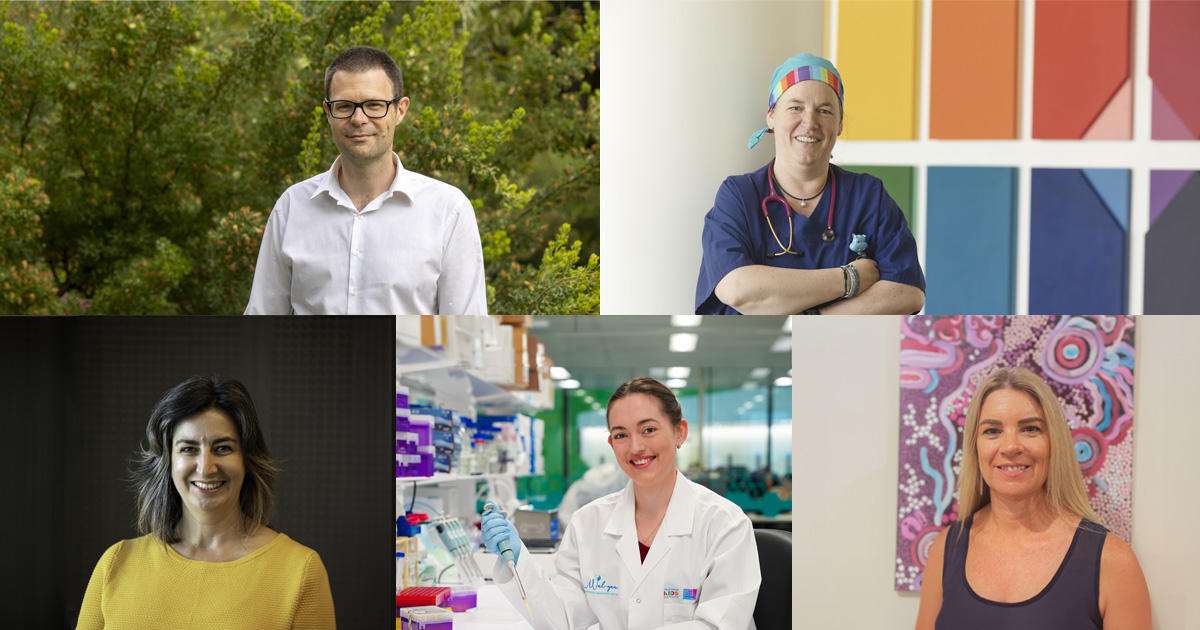
Five The Kids Research Institute Australia researchers working across diverse and highly impactful areas of child health research have been named as finalists for the 2023 Premier’s Science Awards.
The skin is the largest and most visible organ of the human body. As such, skin infections can have a significant impact on overall health, social wellbeing and self-image.
Healthy skin is important for maintaining overall physical and cultural health and wellbeing. However, remote-living Australian Aboriginal children contend with disproportionally high rates of Streptococcus pyogenes (Strep A) infected impetigo.
This research sought to provide an outline of identified household-level environmental health initiatives to reduce or interrupt Strep A transmission along each of these pathways.