
Search

ORIGINS sub-projects that are currently inactive
RHINO researchers from The Kids' Wal-yan Respiratory Research Centre, will analyse ORIGINS data and turn it into meaningful respiratory and allergy outcome data that can be used by researchers around the world.
Pregnancy, childbirth, and motherhood can involve many new challenges.
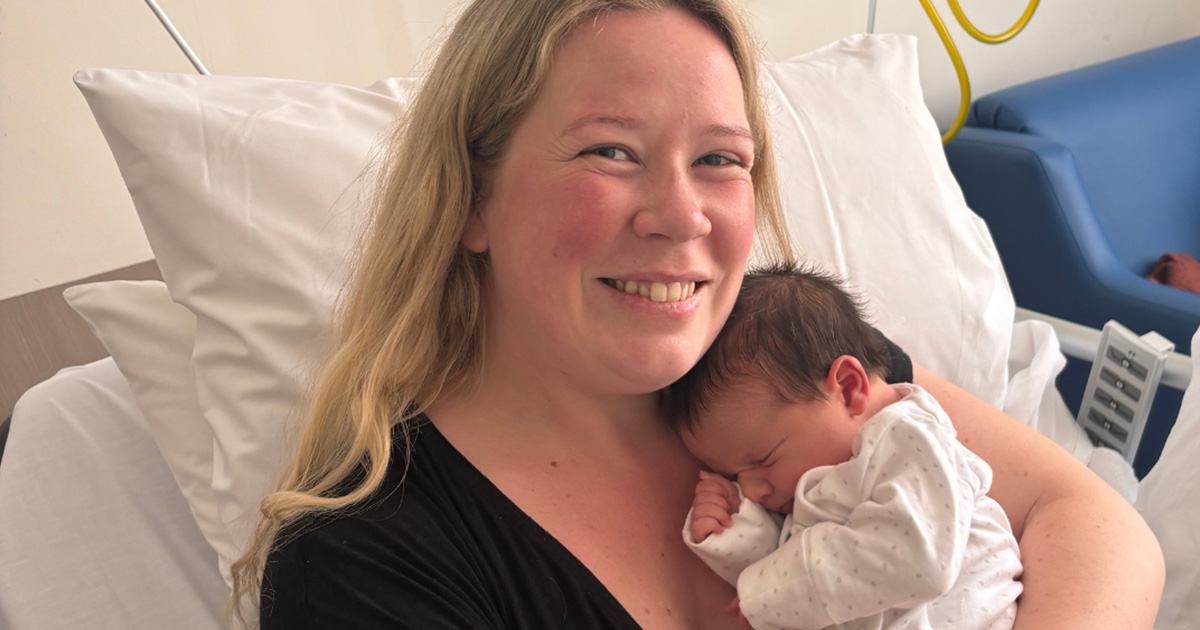
Australia’s biggest longitudinal study following the health and wellbeing of children from their conception through to childhood, has welcomed its 10,000th and final participant.

The rapidly developing coronavirus crisis is affecting our daily lives in unprecedented ways and brings with it uncertainty and fear.
Early onset Non-Communicable Diseases (NCDs), including obesity, allergies, and mental ill-health in childhood, present a serious and increasing threat to lifelong health and longevity. The ORIGINS Project (ORIGINS) addresses the urgent need for multidisciplinary efforts to understand the detrimental multisystem impacts of modern environments using well-curated large-scale longitudinal biological sample collections.
Global food systems are a central issue for personal and planetary health in the Anthropocene. One aspect of major concern is the dramatic global spread of ultra-processed convenience foods in the last 75 years, which is linked with the rising human burden of disease and growing sustainability and environmental health challenges.
A significant number of babies present transiently with low protein kinase C zeta (PKCζ) levels in cord blood T cells, associated with reduced ability to transition from a neonatal Th2 to a mature Th1 cytokine bias, leading to a higher risk of developing allergic sensitisation, compared to neonates whose T cells have 'normal' PKCζ levels. However, the importance of PKCζ signalling in regulating their differentiation from a Th2 to a Th1 cytokine phenotype propensity remains undefined.
The current narrative surrounding children’s health and wellbeing often focuses on adversity and dysregulation with a lack of positive messaging. However, promoting protective and buffering factors may be as important as reducing adverse exposures. While the concept of flourishing is commonly applied in the context of adults, defining what flourishing means for children in current academic literature remains unclear.