
Search
A MenABCWY vaccine containing 4CMenB and MenACWY-CRM vaccine components has been developed to protect against the 5 meningococcal serogroups that cause most invasive disease cases.
The majority of Australian children exceed the World Health Organization's recommended dietary intake of free sugar, particularly through the consumption of sugar-sweetened beverages. Front-of-pack nutrition labels increase perceived risk and deter the consumption of sugar-sweetened beverages.
Azithromycin improves symptomology in various chronic airway diseases exacerbated by viral infections. However, the mechanisms underlying the apparent antiviral effects of azithromycin remain unclear.
Jane Pillow BMedSci (Dist) MBBS, PhD (Dist) FRACP Head, Developmental Chronobiology jane.pillow@thekids.org.au Head, Developmental Chronobiology
Children experience significant pain following extracapsular tonsillectomy surgery, and while opioids are often prescribed to treat this, clinicians may be wary of their adverse side effects, leading to variation in practice. There is a need for improved post-tonsillectomy pain management in children.
Most outdoor food advertising (e.g. billboards and bus stops) features foods that are considered unhealthy. The most important technical challenge when designing policies to restrict unhealthy outdoor food advertising is defining 'unhealthy food'. To date, most restriction policies have used nutrient profiling models (i.e. foods are classified according to their nutritional composition) to determine which foods and beverages may be advertised. In Australia, state governments have endorsed a food category-based classification system, with no prescribed nutrient limits, which may create ambiguity when multiple users are identifying food advertisements to be restricted.
The identification of a COPD etiotype associated with preterm birth (COPD-developmental) has expedited calls for intervention strategies that may improve health outcomes for survivors of preterm birth (<37 weeks' gestation). Pulmonary-rehabilitation style training interventions achieve physiological and symptom improvement in older people with COPD, but whether similar training interventions are suitable for young people is unclear. We sought to understand the perceived need and requirements of an exercise training intervention for children, adolescents and adults born preterm.
The prevalence estimates of physical activity, sedentary behavior, and sleep (collectively known as movement behaviors) in 3- and 4-year-old children worldwide remains uncertain.

Last week, The Kids Research Institute Australia celebrated a remarkable milestone – 35 years of bold ideas, groundbreaking research, and the people who find answers to the big questions about better health outcomes for children and families.
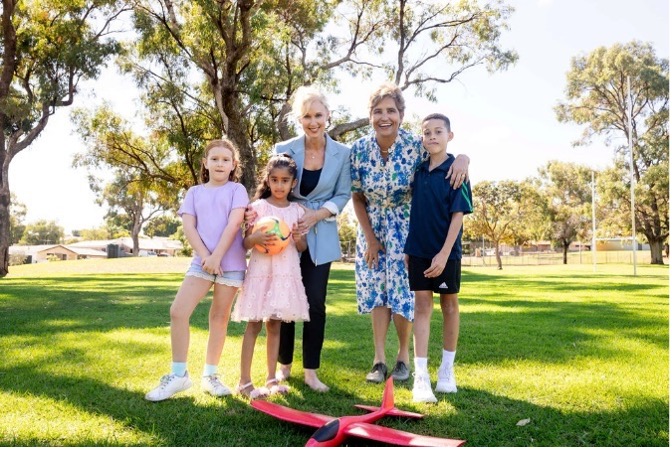
ORIGINS is celebrating a substantial funding increase for its world-class research into child and family health and wellbeing.