
Search

Exploring whether urinary ferritin can be used as an alternative biomarker for measuring iron status in young children over blood draws.

This study examines the impact of nutrition-related maternal, infant and childhood health outcomes and healthcare utilisation.
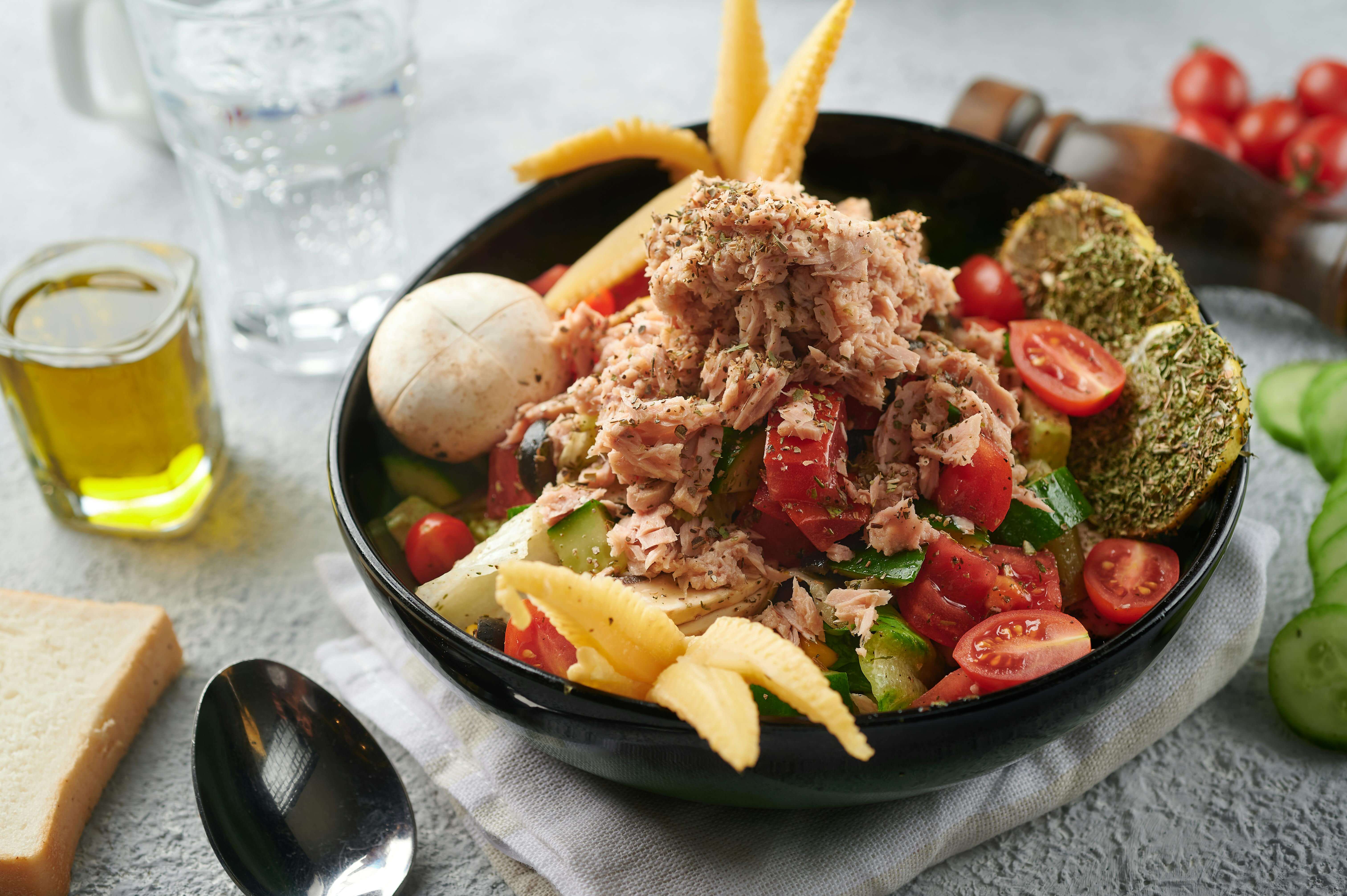
This study aims to examine how a Mediterranean diet and exercise in pregnancy impacts on neonatal body fat composition at birth and weight at one year of age.

Research shows at least a third of newborns receive formula in hospital, a practice shown to be associated with an increased risk of cow’s milk allergy.

Antibiotic dysbiosis and probiotics trial on infants
Despite universal access to government-funded direct-acting antivirals in 2016, the rate of hepatitis C treatment uptake in Australia has declined substantially. Most hepatitis C is related to injecting drug use; reducing the hepatitis C burden among people who inject drugs is, therefore, paramount to reach hepatitis C elimination targets.
Experiencing stigma is associated with a range of negative outcomes for people with mental health disorders. However, little is understood about the contemporary stigma experiences of young people with anxiety and depression. This study aimed to describe these experiences using semi-structured qualitative interviews.
In 2023 severe acute respiratory syndrome coronavirus 2 (SARS-CoV-2) was declared endemic, yet hospital admissions have persisted and risen within populations at high and moderate risk of developing severe disease, which include those of older age, and those with co-morbidities. Antiviral treatments, currently only available for high-risk individuals, play an important role in preventing severe disease and hospitalisation within this subpopulation.
Chorioamnionitis is a common antecedent of preterm birth and induces inflammation and oxidative stress in the fetal lungs. Reducing inflammation and oxidative stress in the fetal lungs may improve respiratory outcomes in preterm infants. Creatine is an organic acid with known anti-inflammatory and antioxidant properties.