
Search
Sex-specific developmental differences in brain structure have been documented in older children and adolescents, with females generally showing smaller overall brain volumes and earlier peak ages than males. However, sex differences in gray matter structural development in early childhood are less studied. We characterized sex-specific trajectories of gray matter volume development in children aged 2–8 years.
Autism early intervention research has indicated a research-to-practice gap, including continued use of practices with inadequate research support, and insufficient use of empirically supported practices. The present study explored the processes and mechanisms through which providers working with young children on the autism spectrum learn, select, and implement the various practices in their clinical repertoires.
Parenting is a rewarding experience but is not without its challenges. Parents of Autistic children face additional challenges, and as a result can experience lower levels of wellbeing and more mental health problems (i.e., depression, anxiety, stress). Previous studies have identified concurrent correlates of wellbeing and mental health.
Professional supports play an important role in aiding autistic children's learning, participation, and overall wellbeing. Yet, limited research exists on stakeholders' perspectives and preferences regarding targeted outcomes for children undergoing support facilitated by professionals.

Mirko is a medically trained research-focused academic with a background in developmental psychology, psychometrics, and big data science. His research takes a life-span perspective and is driven by the urgent need to improve outcomes for people on the autism spectrum and with other neurodevelopmental and neuropsy
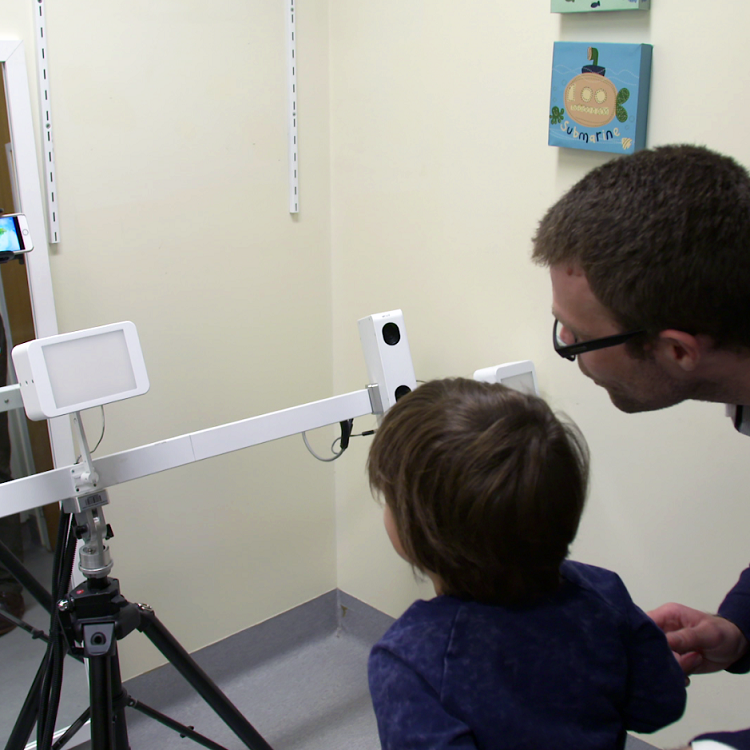
A new study led by The Kids Research Institute Australia has found a link between masculine facial features and autism.
Prenatal alcohol exposure (PAE) contributes to widespread neurodevelopmental challenges, including reading, and has been associated with altered white matter. Here, we aimed to investigate whether arcuate fasciculus development is associated with pre-reading language skills in young children with PAE.
Bisphenol A (BPA) is a synthetic chemical used for the manufacturing of plastics, epoxy resin, and many personal care products. This ubiquitous endocrine disruptor is detectable in the urine of over 80% of North Americans.
This systematic review aimed to identify the most important social, environmental, biological, and/or genetic risk factors for intellectual disability.
An empirically based understanding of the factor structure of the restricted and repetitive behaviors (RRB) domain is a prerequisite for interpreting studies attempting to understand the correlates and mechanisms underpinning RRB and for measurement development. Therefore, this study aimed to conduct a systematic review and meta-analysis of RRB factor analytic studies.