
Search
Senior Research Fellow
Within the Child Disability Team Jess has contributed to research that aims to improve understanding and measurement of the communication of people with CDKL5 Deficiency Disorder (CDD) by conducting and analysing interviews with families.

As Neurodiversity Celebration Week draws to a close, we are shining a light on an important study underway at The Kids Research Institute Australia, led by Dr Thom Nevill, a Research Officer within our Human Development and Community Wellbeing and Child Disability teams.
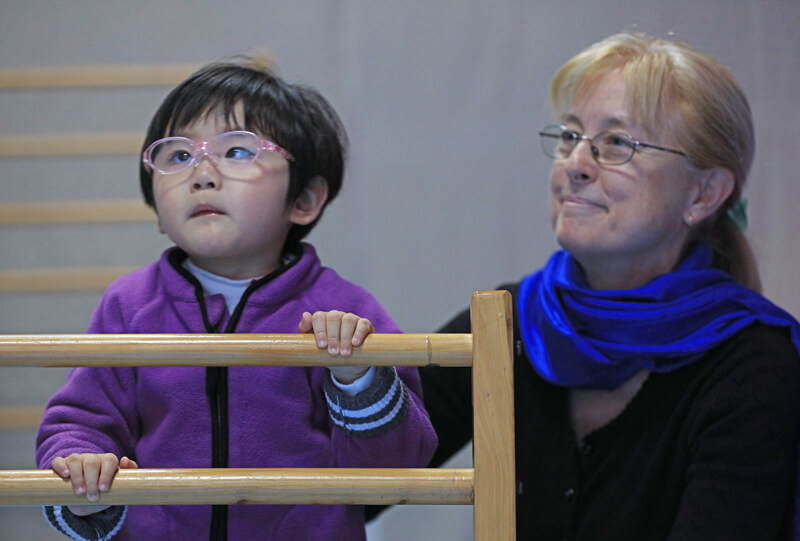
A program developed by The Kids Research Institute Australia researcher Dr Jenny Downs has led to dramatic improvements in the functioning of Chinese children with Rett syndrome, and could change the world.
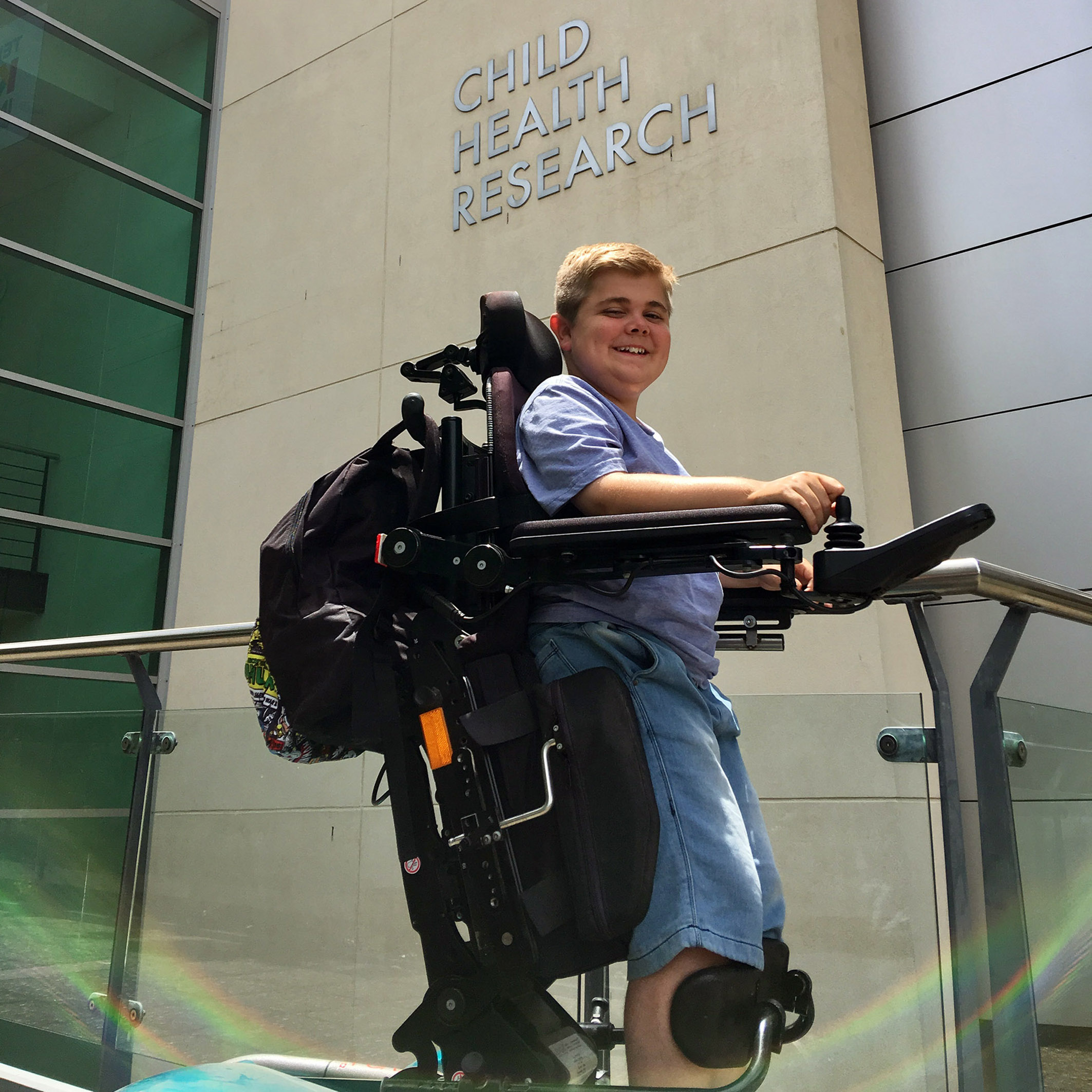
The Kids researchers are investigating the physical and psychological impacts of powered standing wheelchairs for boys suffering from Duchenne
Graham Jenny Peter Hall Downs Jacoby BAppSci PhD CRFS FANZSRS FThorSoc FERS BApplSci (physio) MSc PhD BA (Hons) MSc Honorary Research Associate Head,
Brad Carrington Fiona Farrant Shepherd Stanley BSc (Hons), PhD PhD FAA FASSA MSc MD FFPHM FAFPHM FRACP FRANZCOG HonDSc HonDUniv HonFRACGP HonMD
Approximately 13,000 children in Australia live with moderate to severe intellectual disability.
Helen Jenny Peter Leonard Downs Richmond MBChB MPH BApplSci (physio) MSc PhD MBBS MRCP(UK) FRACP Principal Research Fellow Head, Child Disability
Helen Jenny Keely Leonard Downs Bebbington MBChB MPH BApplSci (physio) MSc PhD MClinPsych/PhD Principal Research Fellow Head, Child Disability