Search
News & Events
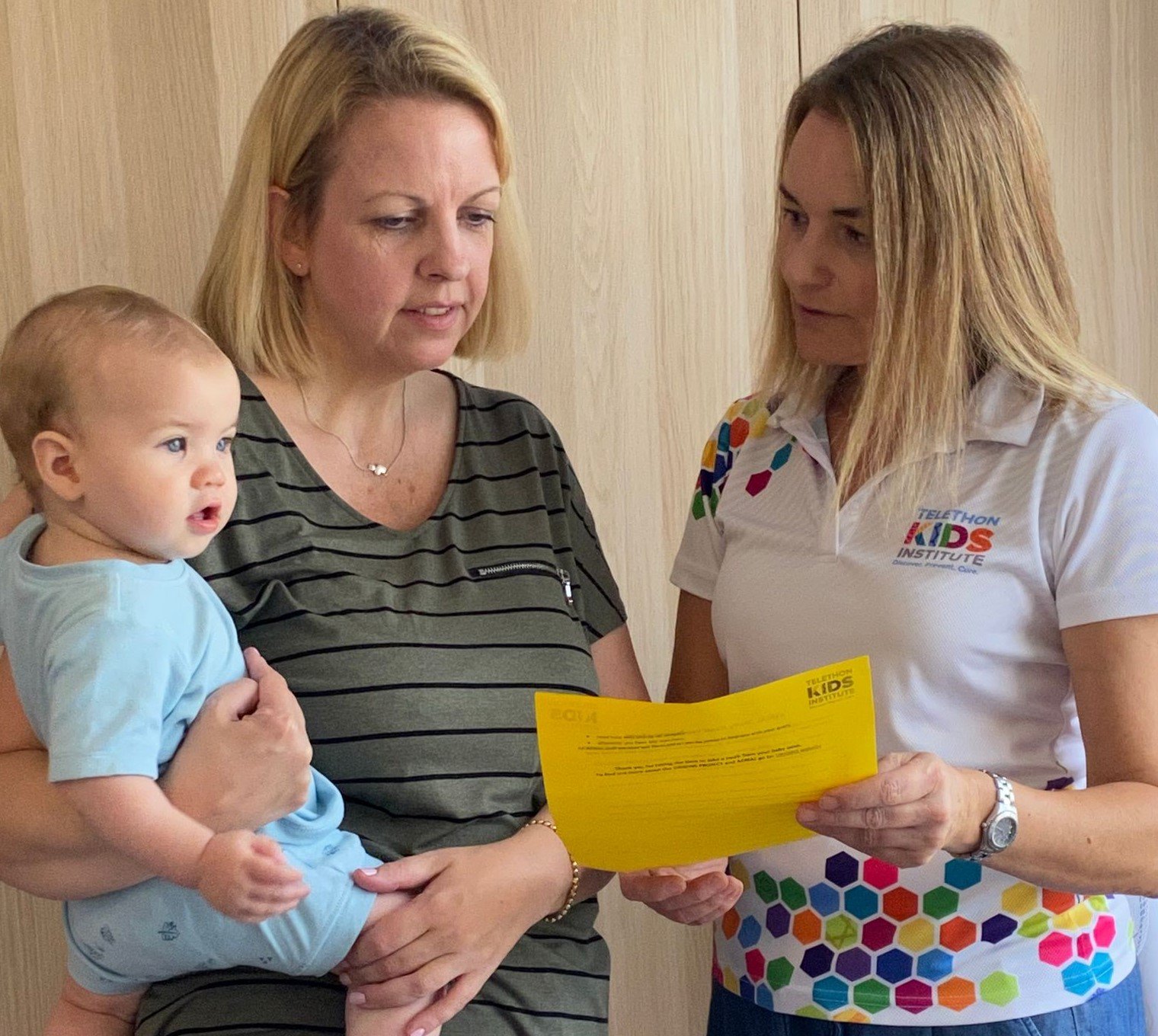
Early ORIGINS: Disease prevention starts with the early yearsThe Joondalup Health Campus and The Kids are investigating how childhood and adult-onset diseases can be prevented during foetal development and in the early years of life.
Research
Patient-reported outcome measures for paediatric acute lower respiratory infection studiesPatient-reported outcome measures (PROMs) are recommended for capturing meaningful outcomes in clinical trials. The use of PROMs for children with acute lower respiratory infections (ALRIs) has not been systematically reported. We aimed to identify and characterise patient-reported outcomes and PROMs used in paediatric ALRI studies and summarise their measurement properties.
Accessing the ORIGINS cohort, database or biological samples involves a process of review and approval.
Research
Immune Development in Early Life (IDEaL) longitudinal cohort study protocol: Identifying biomarkers of vaccine responsiveness, respiratory infection, and asthmaEarly-life immune development is a critical factor in predicting the risk of childhood respiratory infections, asthma, and poor vaccine responses. Identifying immune endotypes that predispose children to these conditions could lead to the development of predictive biomarkers and early interventions, potentially improving long-term health outcomes.
Research
Early nasal microbiota and subsequent respiratory tract infections in infants with cystic fibrosisRespiratory tract infections (RTIs) drive lung function decline in children with cystic fibrosis (CF). While the respiratory microbiota is clearly associated with RTI pathogenesis in infants without CF, data on infants with CF is scarce. We compared nasal microbiota development between infants with CF and controls and assessed associations between early-life nasal microbiota, RTIs, and antibiotic treatment in infants with CF.
Research
No association between in utero exposure to emissions from a coalmine fire and post-natal lung functionStudies linking early life exposure to air pollution and subsequent impaired lung health have focused on chronic, low-level exposures in urban settings. We aimed to determine whether in utero exposure to an acute, high-intensity air pollution episode impaired lung function 7-years later.
ORIGINS is fortunate to have a small passionate and dedicated group of longstanding volunteers.
Research
Bivalent Prefusion F Vaccine in Pregnancy to Prevent RSV Illness in InfantsWhether vaccination during pregnancy could reduce the burden of respiratory syncytial virus (RSV)-associated lower respiratory tract illness in newborns and infants is uncertain.
Research
A phase I clinical trial assessing the safety, tolerability, and pharmacokinetics of inhaled ethanol in humans as a potential treatment for respiratory tract infectionsCurrent treatments for respiratory infections are severely limited. Ethanol's unique properties including antimicrobial, immunomodulatory, and surfactant-like activity make it a promising candidate treatment for respiratory infections if it can be delivered safely to the airway by inhalation. Here, we explore the safety, tolerability, and pharmacokinetics of inhaled ethanol in a phase I clinical trial.
Research
Respiratory Syncytial Virus Reinfections in Children in Western AustraliaRespiratory syncytial virus (RSV) reinfection in children is poorly understood. We examined the incidence, characteristics, and outcomes of hospital-attended RSV reinfections in children <16 years in Western Australia between 2012 and 2022.
Research
The Respiratory Microbiome in Paediatric Chronic Wet Cough: What Is Known and Future DirectionsChronic wet cough for longer than 4 weeks is a hallmark of chronic suppurative lung diseases, including protracted bacterial bronchitis, and bronchiectasis in children. Severe lower respiratory infection early in life is a major risk factor of PBB and paediatric bronchiectasis.
The ORIGINS Biobank is collecting biological samples from participant families at 10 timepoints between the time of pregnancy and the child turning five years of age.
Research
A Phase 1/2a Study Evaluating Safety and Immunogenicity of Ad26.RSV.preF in RSV-seronegative Toddlers Aged 12-24 MonthsRespiratory syncytial virus (RSV) causes serious illness in children. The Ad26.RSV.preF vaccine candidate was immunogenic with acceptable safety in a phase 1/2a study of RSV-seropositive children. Here, we assessed its safety and immunogenicity in RSV-seronegative children.
Research
Examining the entire delayed respiratory syncytial virus season in Western AustraliaAn interseasonal resurgence of respiratory syncytial virus (RSV) was observed in Western Australia at the end of 2020. Our previous report describing this resurgence compared the 2019 and 2020 calendar years, capturing only part of the 2020/21 season.