
Search
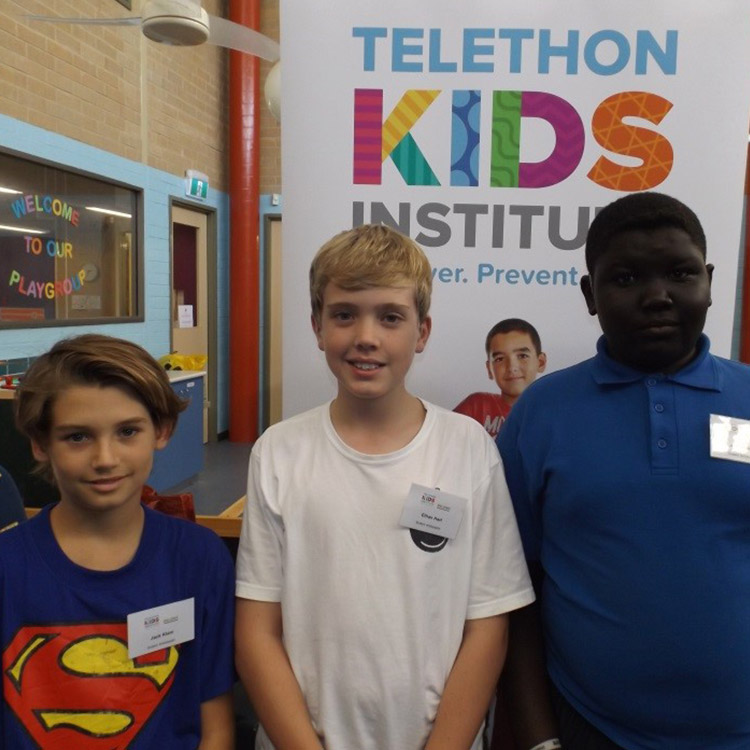
Ethan recently took part in Belong, a study led by The Kids which aims to ensure deaf and hard of hearing kids have a happy & positive school experience
Gender dysphoria is experienced differently by everyone. Here are some ideas that could help trans and gender diverse young people cope with dysphoria.

Senior Research Officer
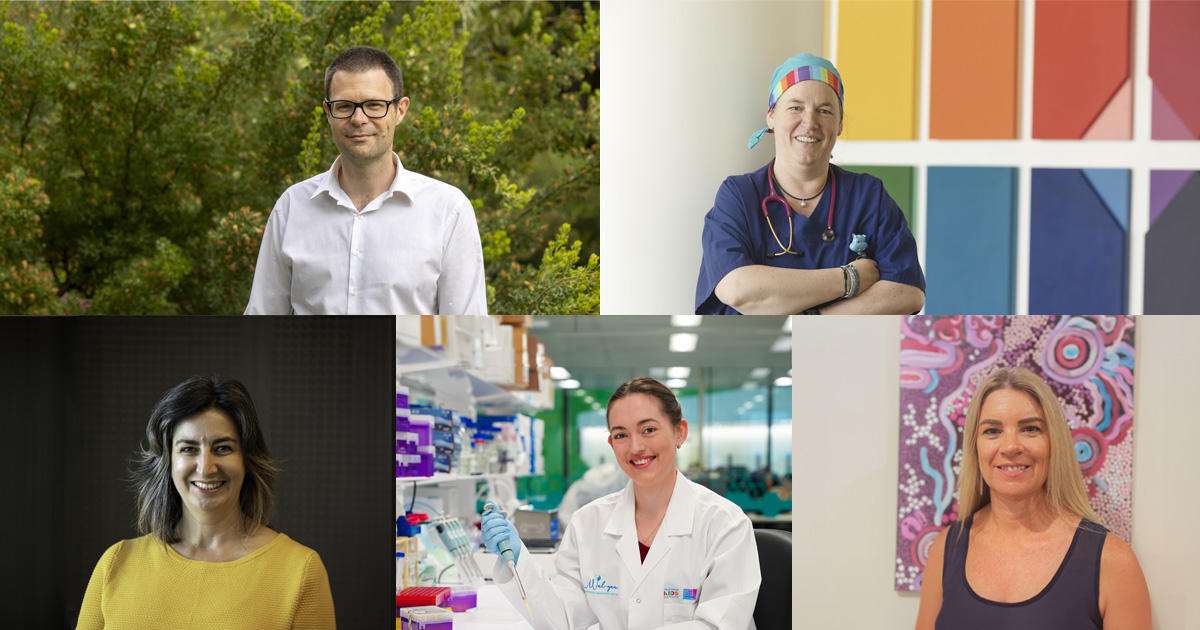
Five The Kids Research Institute Australia researchers working across diverse and highly impactful areas of child health research have been named as finalists for the 2023 Premier’s Science Awards.
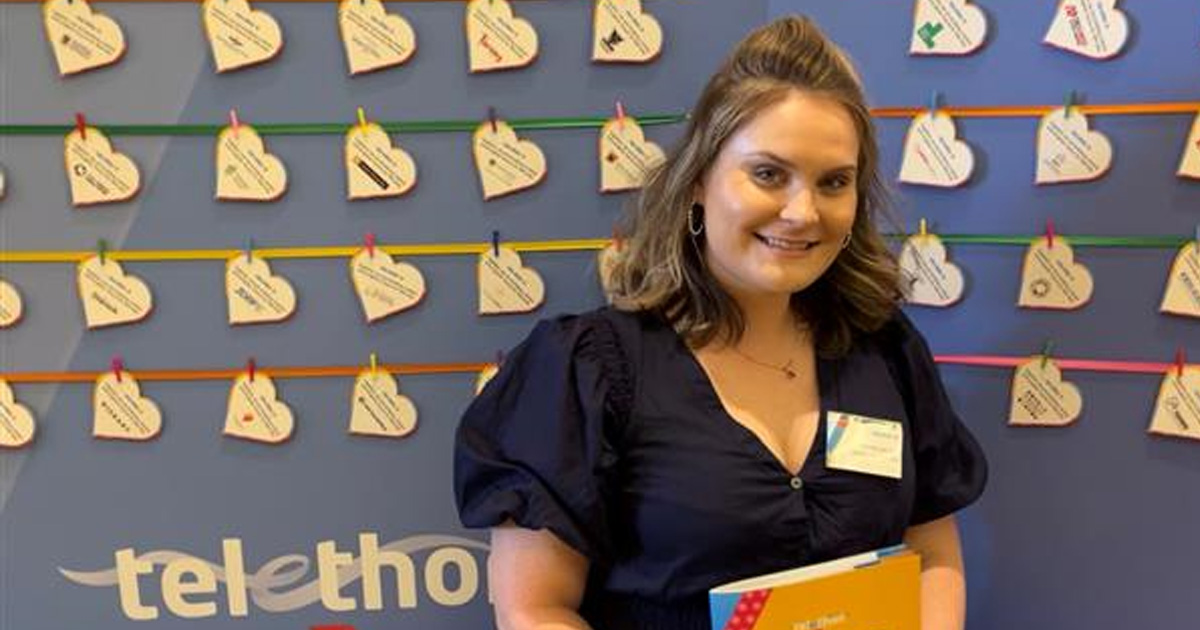
The generous support of West Australians through Channel 7’s Telethon Trust will help support vital child health research at The Kids Research Institute Australia in 2023.
Youth mental health researcher named joint winner of the Shell Aboriginal STEM Student of the Year category at the 2022 Western Australian Premier’s Science Awards.

Four The Kids Research Institute Australia researchers from a diverse range of fields have been named as finalists for the prestigious 2022 Premier’s Science Awards.
Dr Penelope Strauss will use a prestigious Post-Doctoral Fellowship from Suicide Prevention Australia to develop and trial a world-first intervention.

With COVID-19 restrictions starting to lift and families resuming some level of ‘normal life’, it is natural to have mixed feeling during this time, says The Kids mental health researcher.
According to the Cognitive Emotional Model of Non-Suicidal Self-Injury (NSSI), this behavior is governed by a complex interplay of NSSI-related cognitions (i.e., a person's expected outcomes of self-injury and self-efficacy to resist NSSI) and emotion-regulatory strategies (i.e., cognitive reappraisal and expressive suppression). To empirically test this proposition, the current study examined the moderating roles of self-efficacy to resist NSSI, cognitive reappraisal, and expressive suppression in the relationships between outcome expectancies and NSSI frequency among university students.