Search
Research
A complete genome of an obligately lytic Pseudomonas aeruginosa bacteriophage, Minga-mokiny 4We report the isolation of a bacteriophage with obligately lytic activity against Pseudomonas aeruginosa from wastewater. The reported phage, Minga-mokiny 4, appears to belong to the Schitoviridae family, is of the Litunavirus genus, and has a 72,362-bp genome. No known genes associated with lysogeny, bacterial resistance, or virulence were predicted.
Research
Suppression of TGF-β/SMAD signaling by an inner nuclear membrane phosphatase complexCytokines of the TGF-β superfamily control essential cell fate decisions via receptor regulated SMAD (R-SMAD) transcription factors. Ligand-induced R-SMAD phosphorylation in the cytosol triggers their activation and nuclear accumulation. We determine how R-SMADs are inactivated by dephosphorylation in the cell nucleus to counteract signaling by TGF-β superfamily ligands.
Research
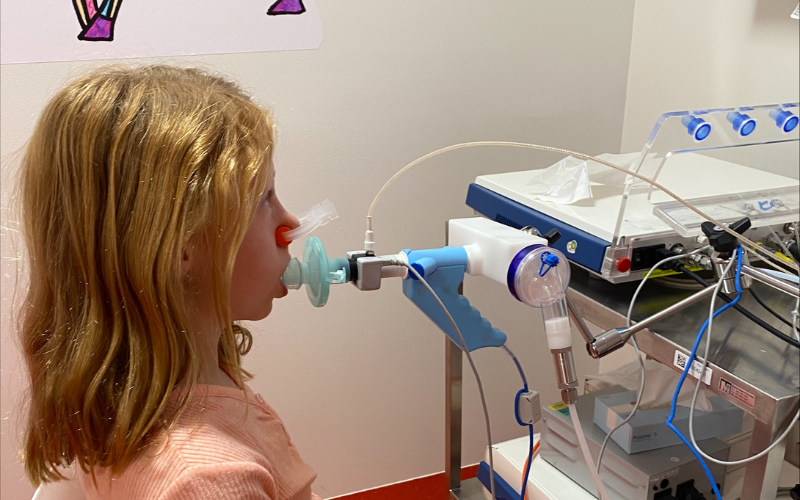
Oscillometry: clinical significance and applicationsRespiratory oscillometry (or the forced oscillation technique) is a highly practical lung function test that can be applied in a wide range of clinical scenarios in children and adults, including the clinic, intensive care unit, patient home monitoring and emergency departments. Oscillometry measurements complement spirometry in detecting abnormal lung function, measuring effects of treatment such as inhaled corticosteroids or bronchodilators, and changes due to disease activity.
Research
Identifying High-Risk Bacteria with Active Nasal Swab Surveillance in Intensive Care Units to Prevent Ventilator-Associated PneumoniaActive nasal surveillance culture (ANSC) is recognized to enable rapid detection of antibiotic-resistant bacteria in the intensive care unit (ICU), which can contribute to the prevention of Ventilator-associated pneumonia (VAP). This study aims to evaluate the usefulness of ANSC in assessing the development of VAP in ICU patients.
Research
Can lung disease be averted by focusing on early-life inequities?Shannon Simpson BMedSci (hons), PhD Head, Strong Beginnings Research, Co-head Foundations of Lung Disease 08 6319 1631 Shannon.simpson@thekids.org.au
Research
Interactions between bacteria in the human nasopharynx: a scoping reviewEmerging evidence indicates that interactions between bacteria shape the nasopharyngeal microbiome and influence respiratory health. This Review uses the systematic scoping methodology to summarise 88 studies including observational and experimental studies, identifying key interactions between bacteria that colonise the human nasopharynx.
Research
tesG expression as a potential clinical biomarker for chronic Pseudomonas aeruginosa pulmonary biofilm infectionsPseudomonas aeruginosa infections in the lungs affect millions of children and adults worldwide. To our knowledge, no clinically validated prognostic biomarkers for chronic pulmonary P. aeruginosa infections exist. Therefore, this study aims to identify potential prognostic markers for chronic P. aeruginosa biofilm lung infections.
Research
From Local to Systemic: The Journey of Tick Bite Biomarkers in Australian PatientsTick bites and tick-related diseases are on the rise. Diagnostic tests that identify well-characterised tick-borne pathogens (TBPs) possess limited capacity to address the causation of symptoms associated with poorly characterised tick-related illnesses, such as debilitating symptom complexes attributed to ticks (DSCATT) in Australia. Identification of local signals in tick-bitten skin that can be detected systemically in blood would have both clinical (diagnostic or prognostic) and research (mechanistic insight) utility, as a blood sample is more readily obtainable than tissue biopsies.
Research
Neurodevelopmental impairment in children with Robin sequence: A systematic review and meta-analysisEstimate the global prevalence of neurodevelopmental impairment in children with Robin sequence (RS) at one year or more of age.
Research
Profiling epithelial viral receptor expression in amniotic membrane and nasal epithelial cells at birthChildren with wheeze and asthma present with airway epithelial vulnerabilities, such as impaired responses to viral infection. It is postulated that the in utero environment may contribute to the development of airway epithelial vulnerabilities.