
Search
Neonatal sepsis is a major cause of childhood mortality. Limited diagnostic tools and mechanistic insights have hampered our abilities to develop prophylactic or therapeutic interventions. Biomarkers in human neonatal sepsis have been repeatedly identified as associated with dysregulation of angiopoietin signaling and altered arachidonic acid metabolism.
Retinopathy of prematurity (ROP) is a biphasic vaso-proliferative disease that has the potential to cause blindness. In addition to prematurity and hyperoxia, perinatal infection and inflammation have been reported to play a critical role in the pathogenesis of ROP. The aim of this study was to assess the association between placental inflammation and the severity of ROP.
Preterm infants are at increased risk for invasive neonatal bacterial infections. S. epidermidis, a ubiquitous skin commensal, is a major cause of late-onset neonatal sepsis, particularly in high-resource settings. The vulnerability of preterm infants to serious bacterial infections is commonly attributed to their distinct and developing immune system.
Late-onset sepsis (LOS) with Staphylococcus epidermidis is common in preterm infants, but the immunological mechanisms underlying heightened susceptibility are poorly understood. Our aim is to characterize the ontogeny of cytokine responses to live S. epidermidis in preterm infants with and without subsequent Gram-positive LOS.
Very preterm infants have a marked innate inflammatory response at the time of late-onset sepsis
Tobias Strunk MD, PhD, FRACP Head, Neonatal Health tobias.strunk@thekids.org.au Head, Neonatal Health Clinical Professor Tobias Strunk is a
Tobias Strunk MD, PhD, FRACP Head, Neonatal Health tobias.strunk@thekids.org.au Head, Neonatal Health Clinical Professor Tobias Strunk is a
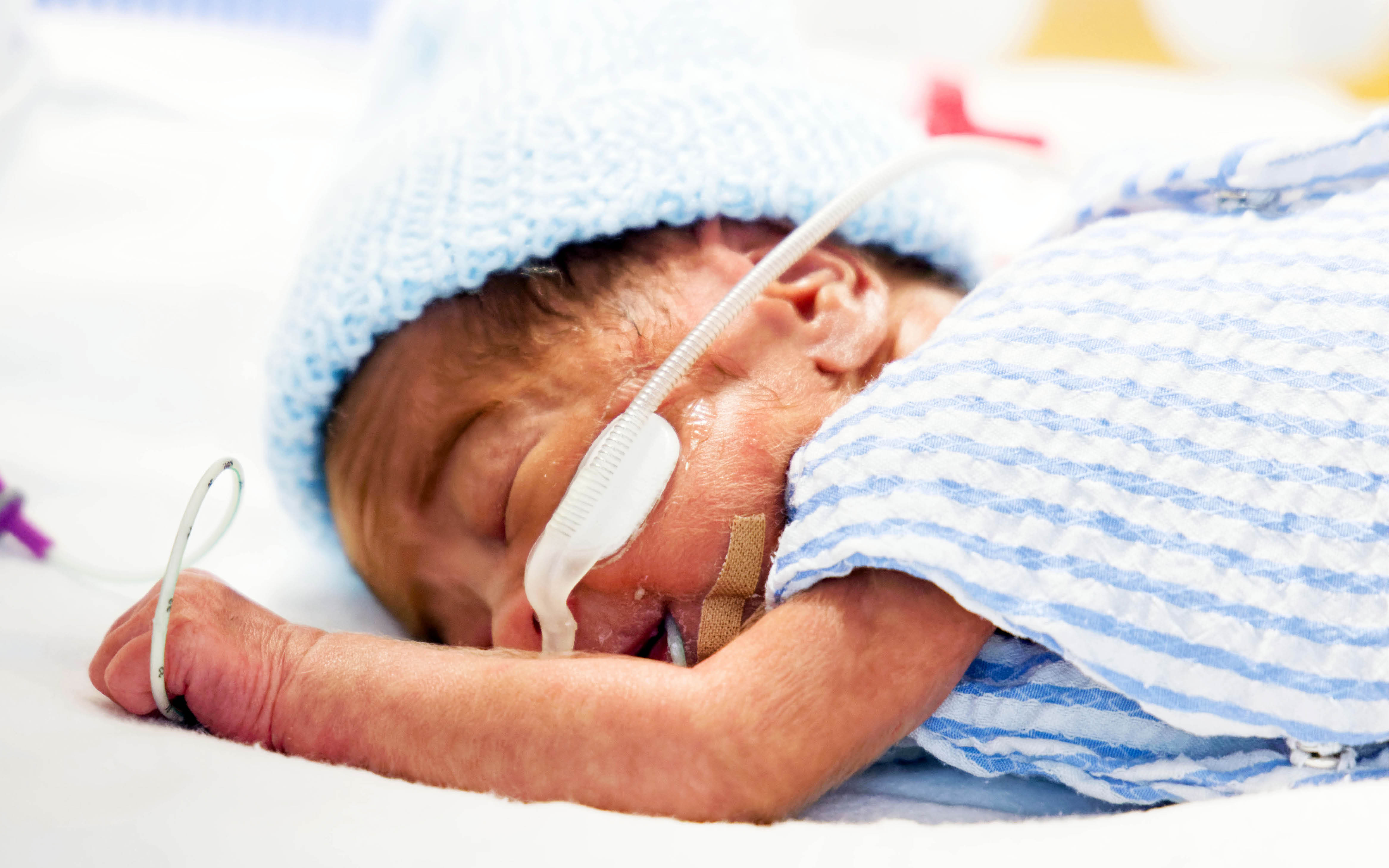
Preterm babies have a heightened risk of infection as their immune system is not mature. The Neonatal Health Team is exploring new ways to diagnose, prevent and treat infections in WA's smallest patients .
The structure and function of infant skin is not fully developed until 34 weeks of gestation, and this immaturity is associated with risk of late-onset sepsis (LOS). Topical coconut oil improves preterm-infant skin integrity and may reduce LOS. However, data on early-life skin-microbiome succession and potential effects of emollient skin care in preterm infants are scarce.
Rotifers are used as the first feed for marine fish larvae and are grown in large cultures that have high loads of organic matter and heterotrophic bacteria; these bacteria are passed on to the developing fish larvae and can potentially lead to bacterial infections.