
Search
To explore the impact of missing data on the accuracy of continuous glucose monitoring (CGM) metrics collected for a 2-week period in a clinical trial.
In Australia, Aboriginal children experience disproportionate rates of type 2 diabetes (T2D) compared with non-Aboriginal children. The aim of this qualitative study was to explore the experiences of Aboriginal adolescents with T2D and their family members to better understand the influences of T2D on self-management, with findings used to inform an enhanced service model of care.
Continuous glucose monitoring (CGM) devices have demonstrated efficacy in adults and more recently in youths and older adults with type 1 diabetes. In adults with type 1 diabetes, the use of real-time CGM compared with intermittently scanned CGM was associated with improved glycemic control, but there are limited data available for youths.

"This system definitely helped with my diabetes management, especially overnight, and helped to keep my blood sugars as stable as possible which was fantastic,"
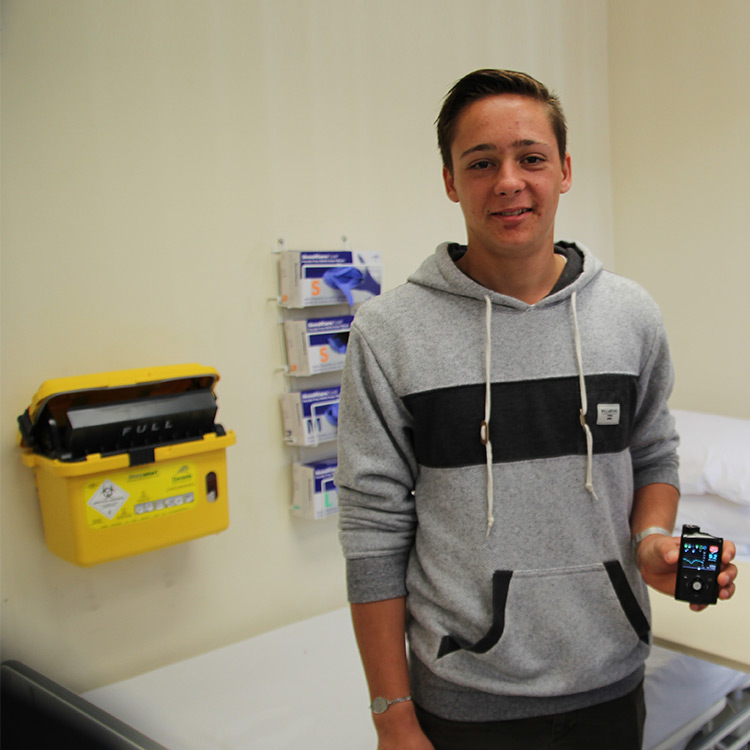
The Children’s Diabetes Centre at The Kids Research Institute Australia is leading the longest and largest at-home trial of a hybrid closed-loop insulin pump system.
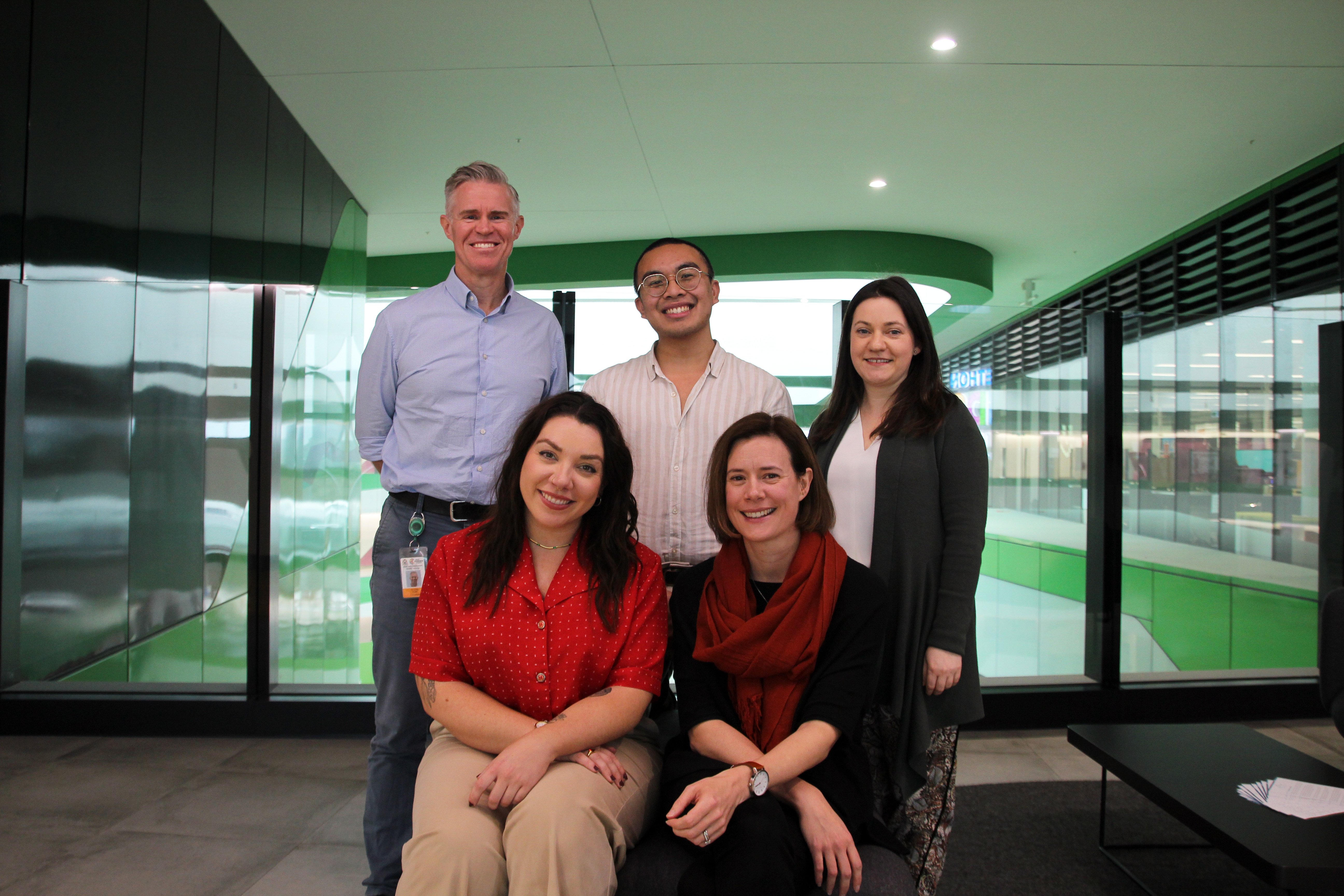
Congratulations to our Rio Tinto Children's Diabetes Centre mental health and wellbeing team who, in partnership with the Embrace childhood trauma
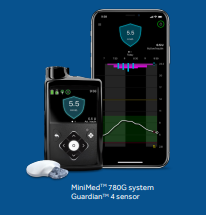
The Guardian 4 sensor have recently been approved by the Therapeutic Goods Administration for use in Australia.
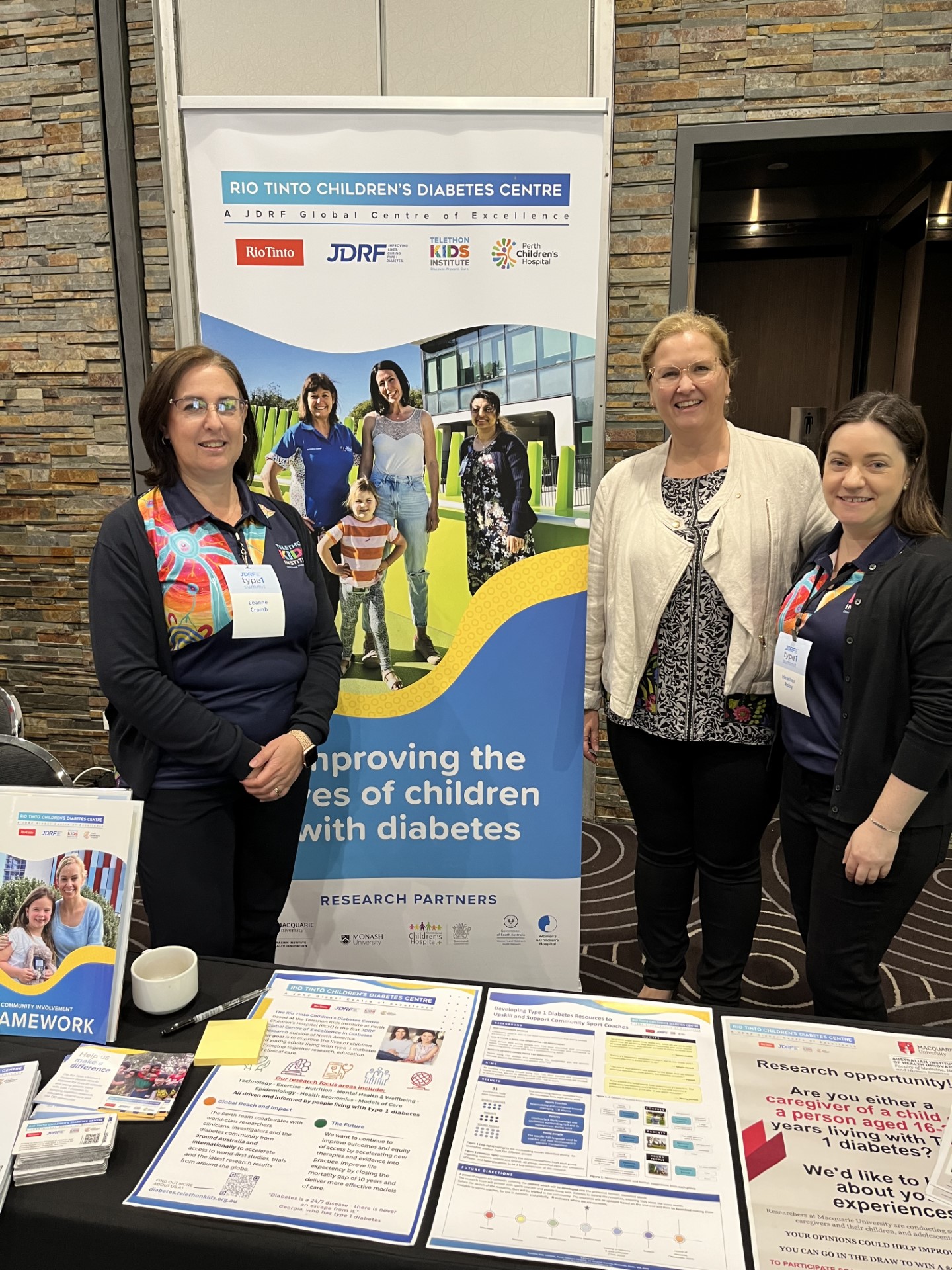
The Rio Tinto Children's Diabetes Centre were invited to attend this year's JDRF Type One Summit in Sydney where the T1D community came together to "share knowledge and gain strength and inspiration from others in the T1D community - JDRF Australia"
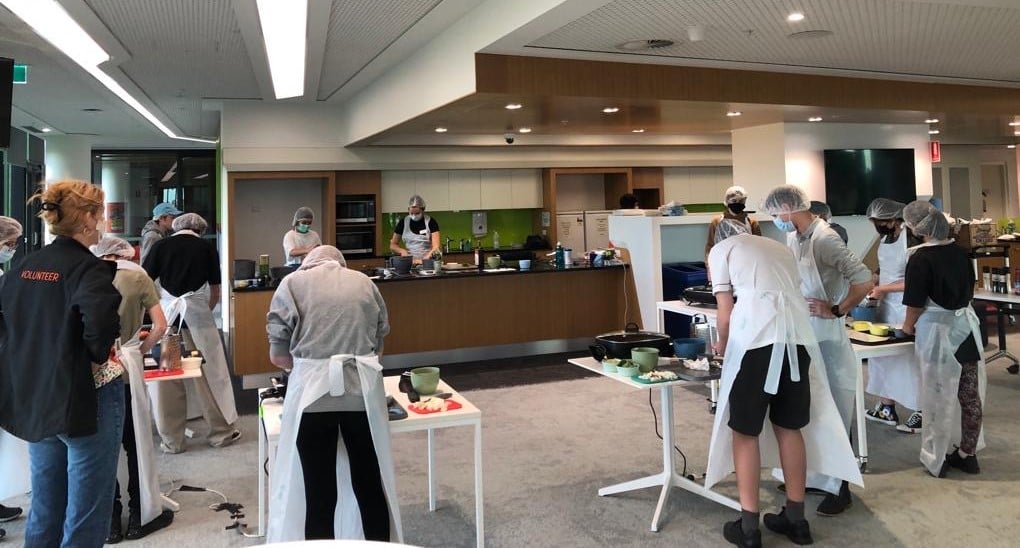
An innovative cooking program, the first of its kind in Australia, is being offered at Perth Children’s Hospital, combining nutrition education and practical cooking skills for teenagers living with type 1 diabetes (T1D).
The Rio Tinto Children’s Diabetes Centre has recently commenced an exciting new project to integrate diabetes data from many different sources so that it can be used more effectively to help people living with diabetes. The DiabHQ project will bring together data that is currently housed in many sep