
Search
In this series of eight articles, the Australian Traumatic Brain Injury Initiative consortium describes the Australian approach used to select the common data elements collected acutely that have been shown to predict outcome following moderate-severe traumatic brain injury across the lifespan.
Iron deficiency may play a role in the pathophysiology of Attention Deficit/Hyperactivity Disorder (ADHD). Due to its preponderant function in monoamine catecholamine and myelin synthesis, brain iron concentration may be of primary interest in the investigation of iron dysregulation in ADHD.
One of the most traumatic injuries a child can experience is a severe burn. Despite improvements in medical treatments which have led to better physical outcomes and reduced mortality rates for paediatric burns patients, the psychological impact associated with experiencing such a traumatic injury has mostly been overlooked. This is concerning given the high incidence of psychopathology amongst paediatric burn survivors.
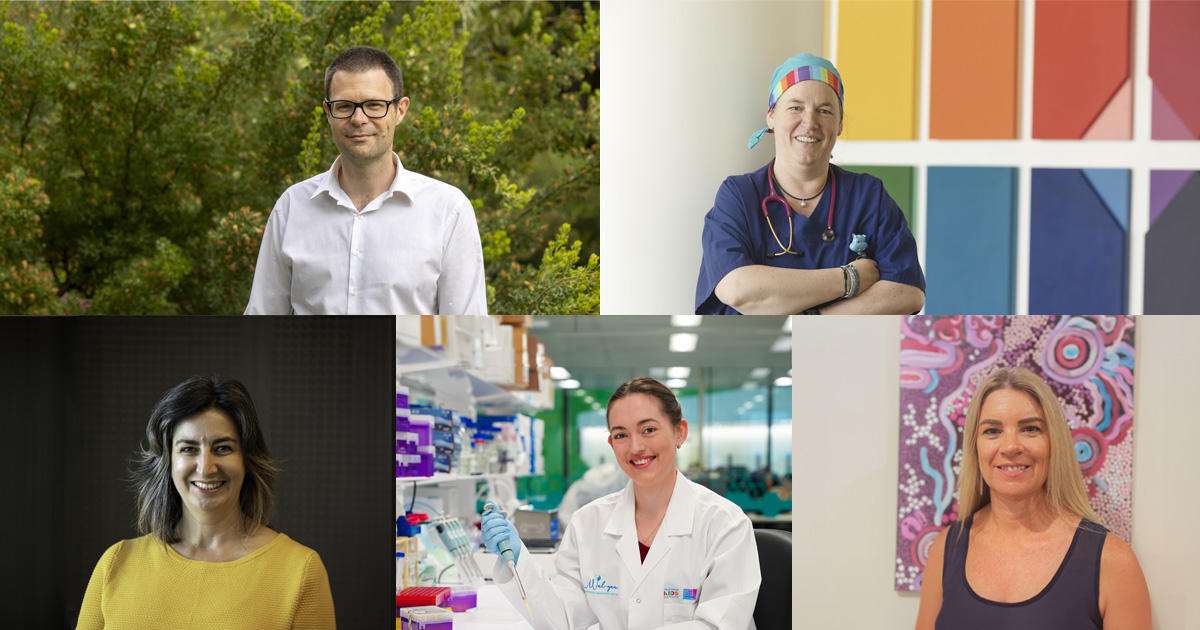
Five The Kids Research Institute Australia researchers working across diverse and highly impactful areas of child health research have been named as finalists for the 2023 Premier’s Science Awards.
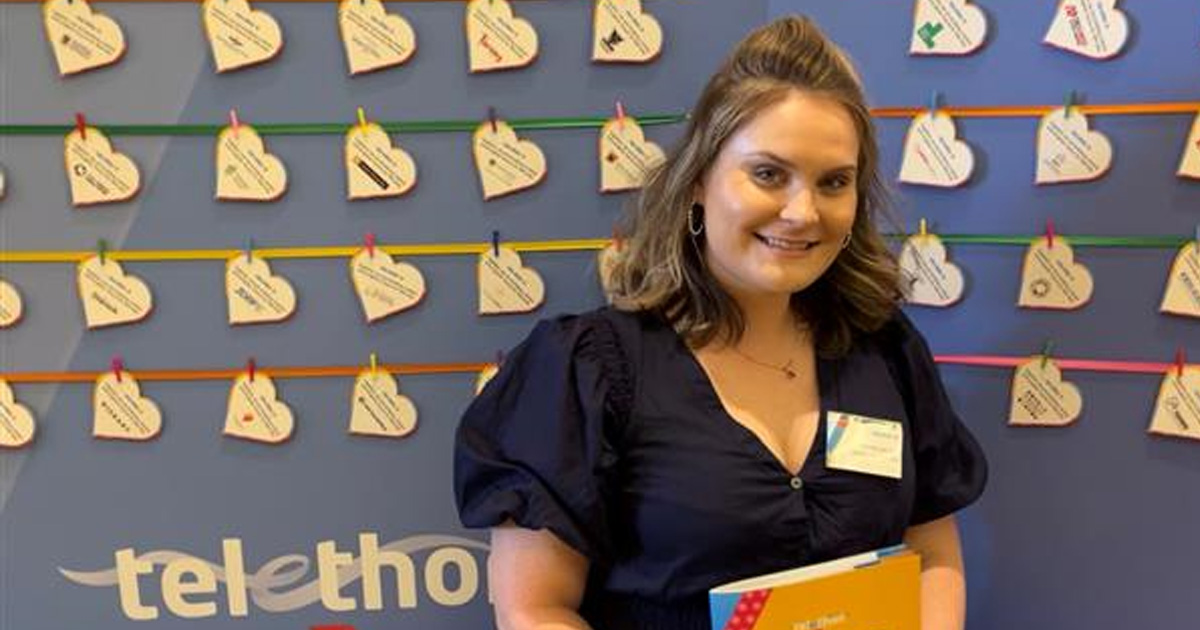
The generous support of West Australians through Channel 7’s Telethon Trust will help support vital child health research at The Kids Research Institute Australia in 2023.
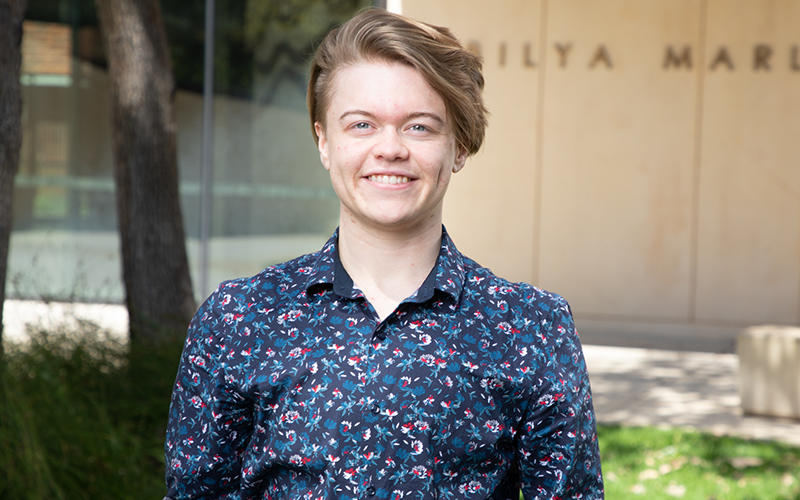
Youth mental health researcher named joint winner of the Shell Aboriginal STEM Student of the Year category at the 2022 Western Australian Premier’s Science Awards.

Four The Kids Research Institute Australia researchers from a diverse range of fields have been named as finalists for the prestigious 2022 Premier’s Science Awards.
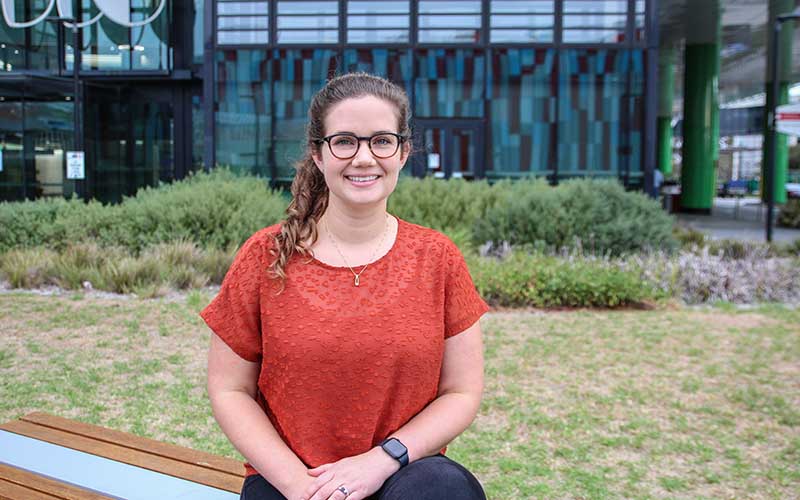
Dr Penelope Strauss will use a prestigious Post-Doctoral Fellowship from Suicide Prevention Australia to develop and trial a world-first intervention.

With COVID-19 restrictions starting to lift and families resuming some level of ‘normal life’, it is natural to have mixed feeling during this time, says The Kids mental health researcher.
Up to 50 homeless young people will be provided with training to help them recognise suicidal behaviour and make referrals to potentially life-saving resources, thanks to a grant from Suicide Prevention Australia.