
Search

A Lancet-published review of the evidence around the use of gender-affirming hormones and surgery in trans children and adolescents has found such interventions can lead to a marked improvement in mental health outcomes and quality of life.
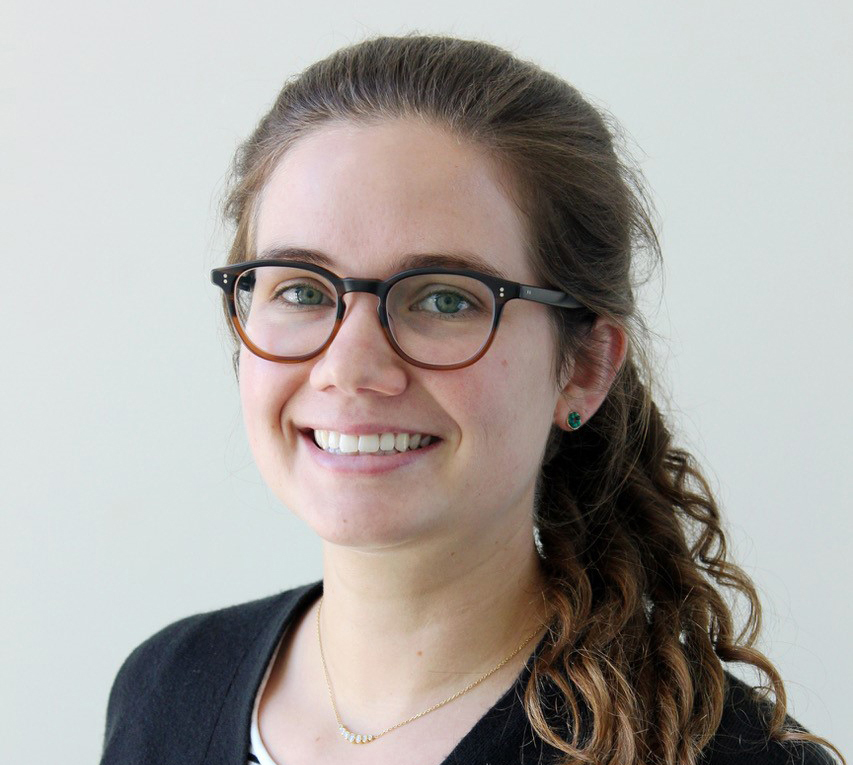
Youth mental health researcher Penelope Strauss has been named an AMP Tomorrow Maker – the first researcher from The Kids Research Institute Australia to win one of the annual AMP Foundation grants.

Telethon Kids Institute believes that everyone has the right to be treated with equal respect, to feel included and not be subjected to discrimination.
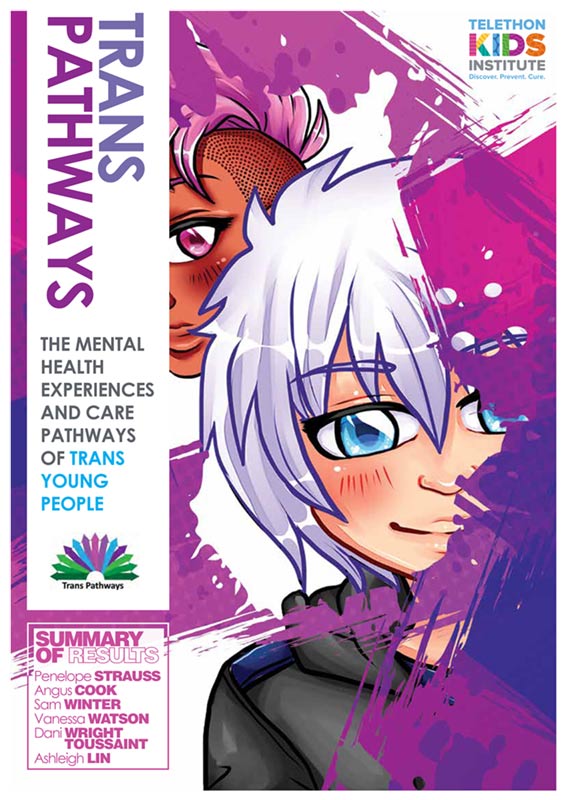
Trans Pathways is the largest ever survey conducted into the mental health of trans young people in Australia.
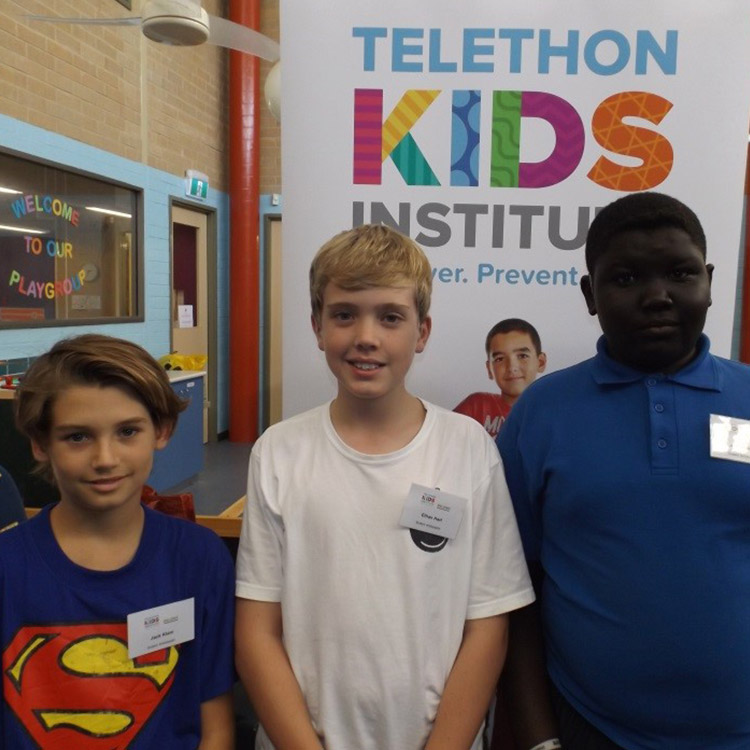
Ethan recently took part in Belong, a study led by The Kids which aims to ensure deaf and hard of hearing kids have a happy & positive school experience
This project explores the mental health and support needs of Australians with complex experiences of gender-affirmation.
Optimise+ is a research project designed to build on the best parts of LGBTQ+ community-controlled mental health and AOD services across Australia, with the aim of further enhancing service options.
Yael Penelope Helen Perry Strauss Morgan BPsych (Hons) MPsych (Clin) PhD BA, MPH, PhD BA (Hons), Doctor of Psychology Head, Youth Mental Health
Amy Penelope Yael Finlay-Jones Strauss Perry BPsych(Hons), MPsych(Clinical), MHealthEcon, PhD (Clin Psych) BA, MPH, PhD BPsych (Hons) MPsych (Clin)

Gender dysphoria is experienced differently by everyone. Here are some ideas that could help trans and gender diverse young people cope with dysphoria.