
Search
Researchers do not know much about what autistic adults, parents and professionals think about support goals for young autistic children. People's views of support goals might also be influenced by their beliefs about early support more generally. This survey involved 87 autistic adults, 159 parents of autistic children and 80 clinical professionals living in New Zealand and Australia.
The PEDI-CAT (ASD) is used to assess functioning of children and youth on the autism spectrum; however, current psychometric evidence is limited. This study aimed to explore the reliability, validity and acceptability of the PEDI-CAT (ASD) using a large Australian sample.
There is a common mischaracterisation that autistic individuals have reduced or absent empathy. Measurement issues may have influenced existing findings on the relationships between autism and empathy, and the structure of the empathy construct in autism remains unclear.
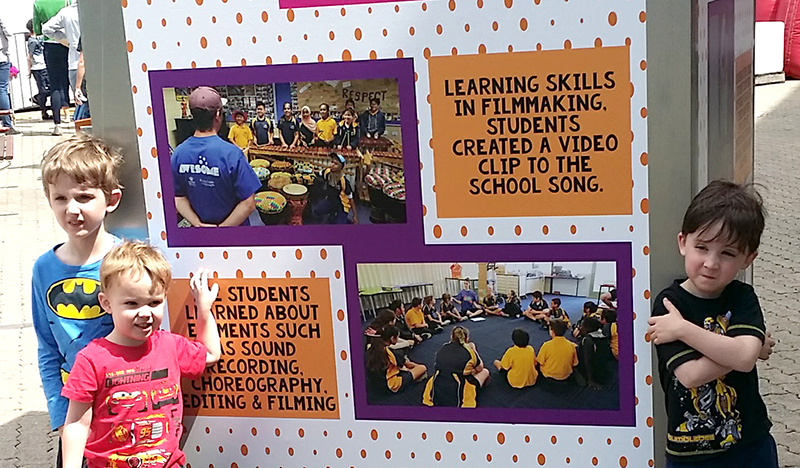
For kids on the autism spectrum, it’s not always easy to enjoy art without becoming overwhelmed, overstimulated or anxious.
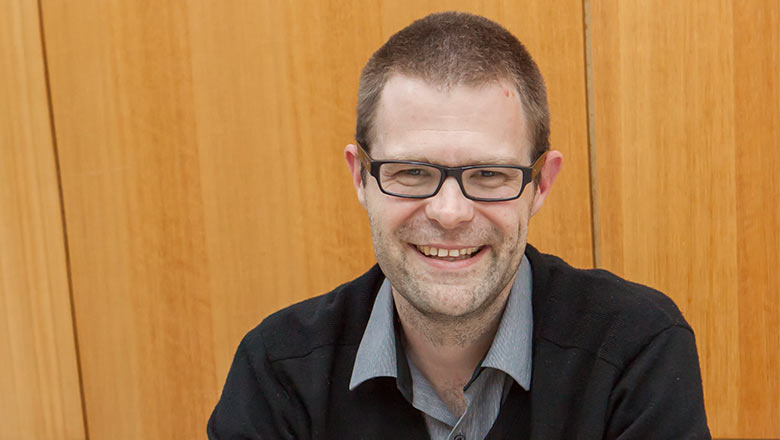
Andrew Whitehouse has been listed in the WA Business News 40 under 40 awards recognising accomplished and dynamic young leaders in Western Australia.
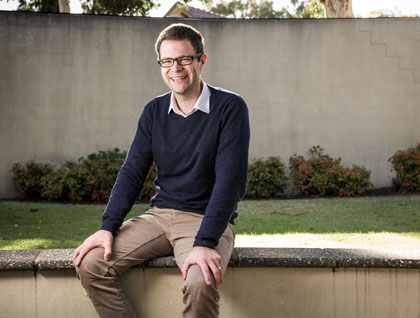
Clinicians across Australia are looking forward to the release of the country’s first national guidelines for the diagnosis of autism.
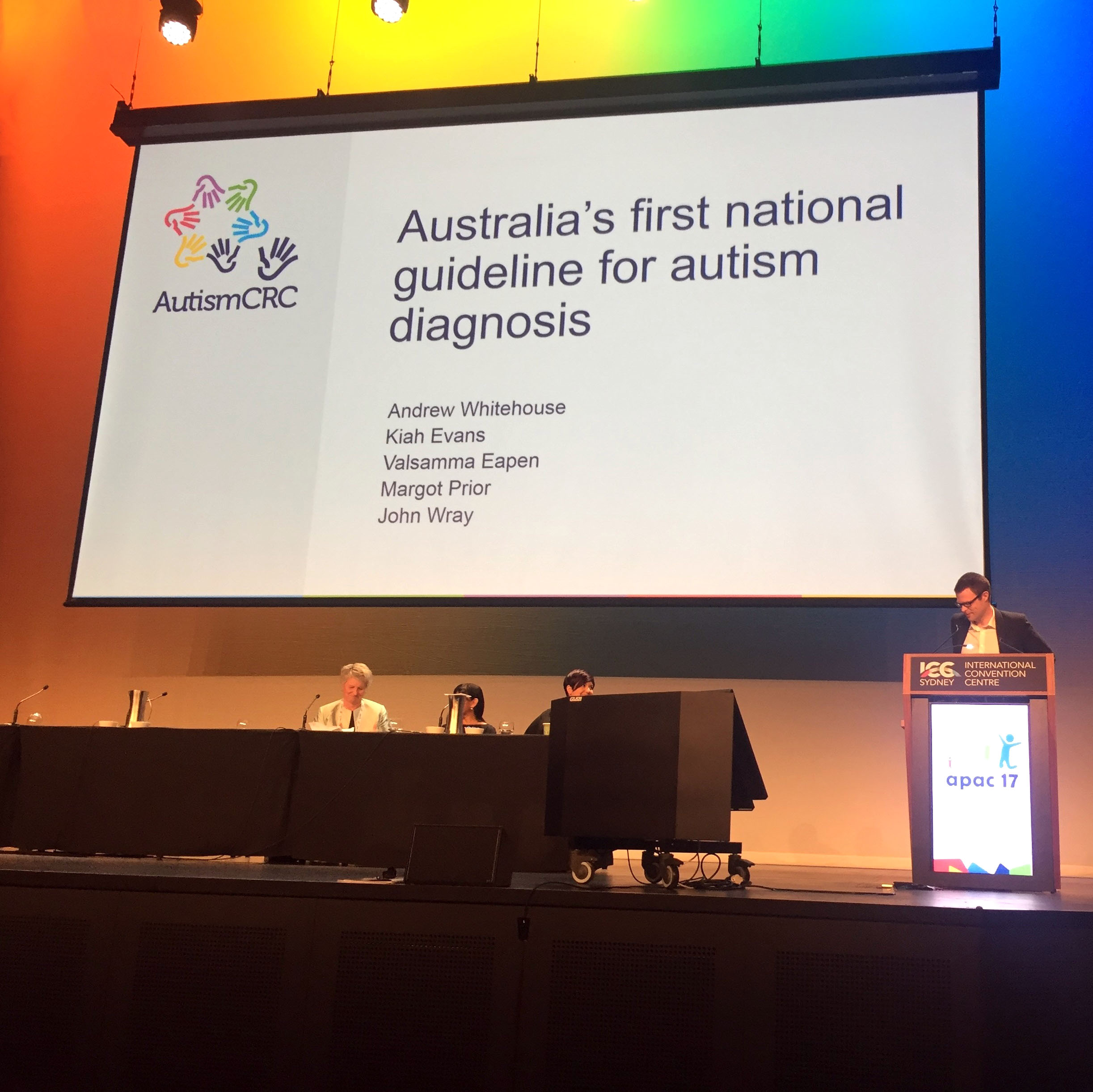
Australia’s first draft national guideline for autism diagnosis has today been released for public consultation.
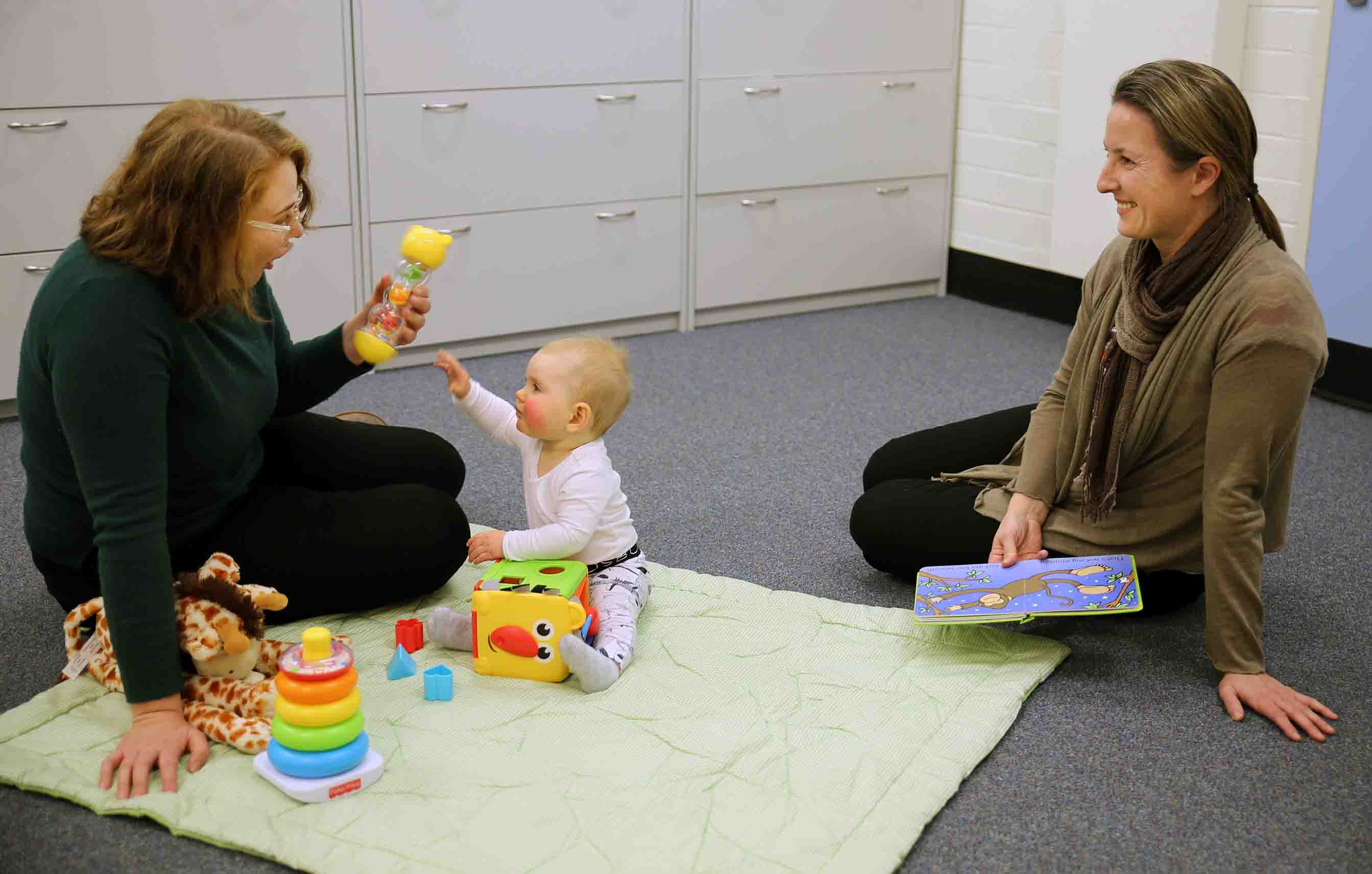
The first rigorous trial of a pre-emptive behavioural intervention for babies showing early signs of autism has found the therapy can improve early language development.
Hormone levels in the womb may determine how masculine or feminine your facial features are as an adult, The Kids Research Institute Australia researchers have found.
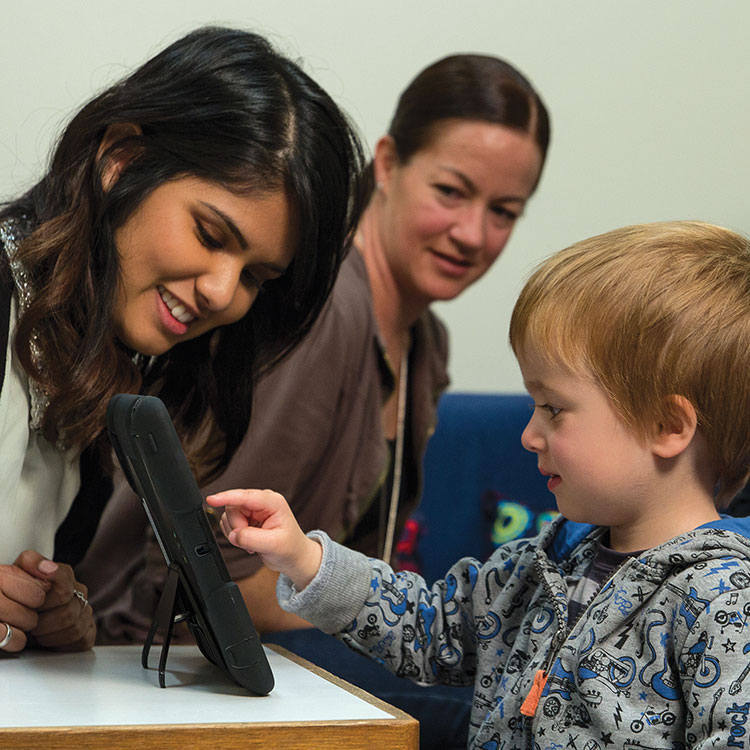
A The Kids Research Institute Australia study has shown that in addition to intervention with trained therapists, children with autism may benefit from app-based therapies.