
Search
The COVID-19 pandemic has exposed many uncertainties and incorrect assumptions about respiratory pathogen transmission.
Christopher Hannah Blyth Moore MBBS (Hons) DCH FRACP FRCPA PhD OAM BSc (Hons) GradDipClinEpi PhD Centre Head, Wesfarmers Centre of Vaccines and
Christopher Hannah Tom Blyth Moore Snelling MBBS (Hons) DCH FRACP FRCPA PhD OAM BSc (Hons) GradDipClinEpi PhD BMBS DTMH GDipClinEpid PhD FRACP Centre
Aboriginal children aged younger than 5 years in Perth (Boorloo) have lower vaccine uptake compared to non-Aboriginal children.
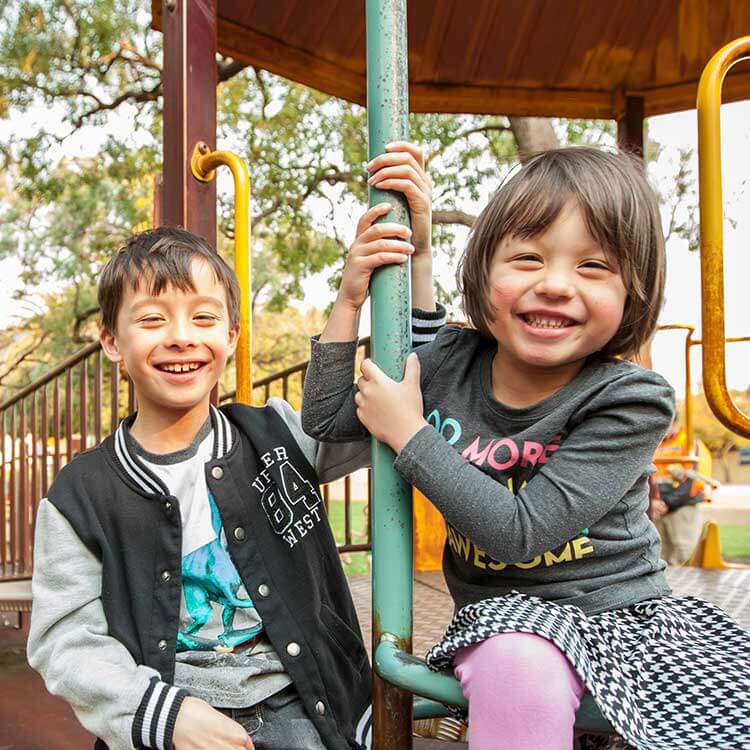
PAEDS monitors for key vaccine preventable conditions and severe side effects from vaccine in 5 paediatric hospitals in Australia.
Christopher Peter Tom Blyth Richmond Snelling MBBS (Hons) DCH FRACP FRCPA PhD MBBS MRCP(UK) FRACP BMBS DTMH GDipClinEpid PhD FRACP Centre Head,
Christopher Asha Blyth Bowen MBBS (Hons) DCH FRACP FRCPA PhD BA MBBS DCH FRACP PhD GAICD FAHMS OAM Centre Head, Wesfarmers Centre of Vaccines and
Invasive Group B Streptococcus remains a leading cause of infant morbidity and mortality. Intrapartum antibiotic prophylaxis has been implemented in many countries with a reduction in early-onset disease, but an effective vaccine may further reduce the disease burden. Candidate vaccines targeting capsular polysaccharides and surface proteins are now in clinical trials.
The incidence of respiratory syncytial virus (RSV) in adults is inadequately defined and the impact of SARS-CoV-2-related non-pharmaceutical interventions (NPIs) is underexplored. Using laboratory data, we described the detection rate of RSV in adults ≥16 years in Western Australia (WA) between 2017 and 2023.
Invasive fungal disease (IFD) remains a challenging complication of treatment for paediatric acute leukaemia. Consensus fungal treatment guidelines recommend withholding chemotherapy to facilitate immune recovery in this setting, yet prolonged delays in leukaemia therapy increase risk of relapse.