
Search
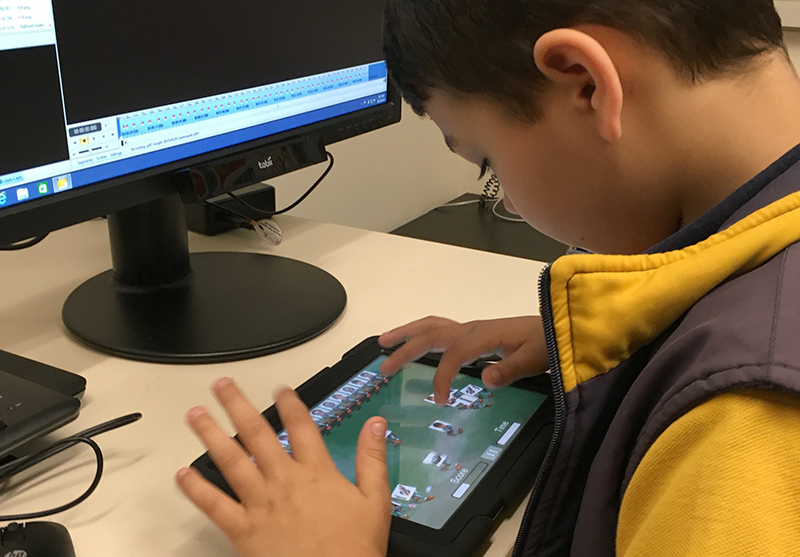
Researchers at The Kids Research Institute Australia and University of Western Australia have recently published data describing the use of an attention training game designed for school-aged children diagnosed with autism spectrum disorder (ASD).

Autism researchers from The Kids Research Institute Australia have called for the term ‘high functioning autism’ to be abandoned because of the misleading and potentially harmful expectations it creates around the abilities of children on the autism spectrum.

The Kids Research Institute Australia has two researchers and an innovative science engagement initiative as finalists in the 2017 Premier’s Science Awards.
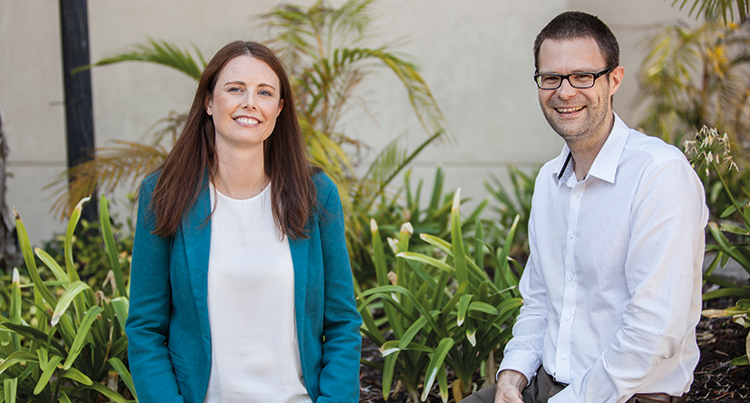
Professor Andrew Whitehouse tells how Australia’s first national guideline for the diagnosis of autism spectrum disorder is going to transform the way the condition is assessed and managed, vastly improving the experience for families.
Autism spectrum disorder (ASD) is a group of neurodevelopmental disorders which are more common in males. The 'prenatal sex steroid' hypothesis links excessive sex-steroid exposure during foetal life with the behavioural differences observed in ASD. However, the reason why sex steroid exposure may be excessive remains unclear. Epidemiological studies have identified several environmental risk factors associated with ASD, including developmental vitamin D (DVD) deficiency.

A world-first program for babies with delays in their social and communication skills has been launched in Western Australia, thanks to support from the National Disability Insurance Agency (NDIA).
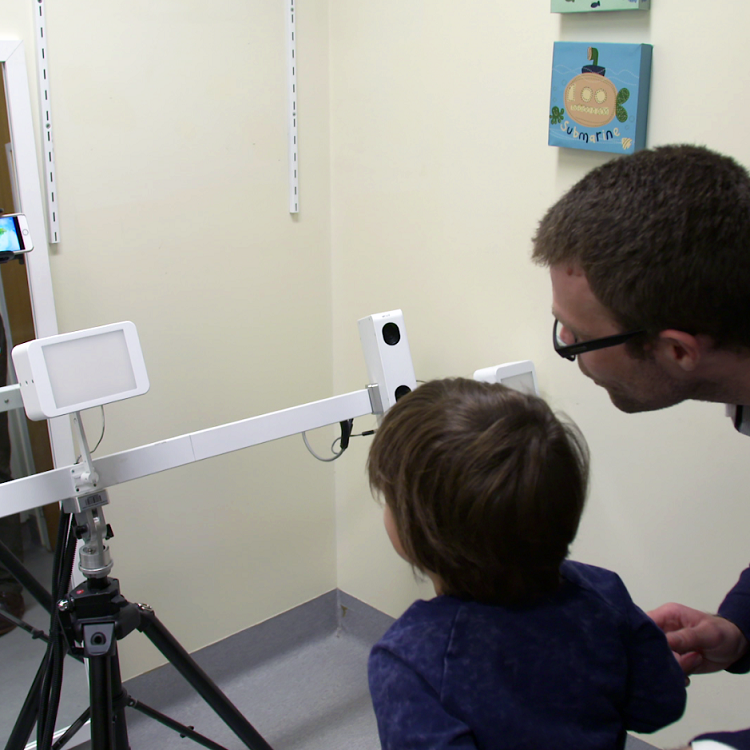
A new study led by The Kids Research Institute Australia has found a link between masculine facial features and autism.

IDEA is one of the few population-based resources in the world dedicated to intellectual disability. The IDEA database contains information on all children born in Western Australia since 1983 who have been identified with having an intellectual disability. Individuals with autism spectrum disorder, both with and without intellectual disability, are also included in the database. Deidentified information is accessed from the Department of Communities WA, the WA Department of Education, and the National Disability Insurance Agency (NDIA) to create the database. IDEA can be linked to other datasets to facilitate research into the determinants, outcomes and service needs of children and adults with intellectual disability. Researchers can apply for such linked data, available in a de-identified format under approval from an ethics committee.
IDEA is one of the few population-based resources in the world dedicated to intellectual disability. The IDEA database contains information on all children born in Western Australia since 1983 who have been identified with having an intellectual disability. Individuals with autism spectrum disorder, both with and
About The Autism Register