Search
Given the significance of gut microbiota in autism spectrum disorder (ASD), we aimed to assess the quality of systematic reviews (SRs) of studies assessing gut microbiota and effects of probiotic supplementation in children with ASD. PubMed, EMBASE, PsycINFO, Medline, and Cochrane databases were searched from inception to November 2024.
Early intervention offers the potential to mitigate adult mental illness; however, trials spanning decades present significant challenges, necessitating predictive early markers useable in trial settings. We hypothesised that parent evaluation using the child behaviour checklist (CBCL) total problem score at age two years predicted adult depressive and anxious symptoms and explored other potential parent ratings.
Neurodevelopmental disorders (NDDs) have high comorbidity rates and shared etiology. Nevertheless, NDD assessment is diagnosis-driven and focuses on symptom profiles of individual disorders, which hinders diagnosis and treatment. There is also no evidence-based, standardized transdiagnostic approach currently available to provide a full clinical picture of individuals with NDDs. The pressing need for transdiagnostic assessment led to the development of the Neurodevelopment Assessment Scale.
Little is known about parent preferences regarding delivery methods of early interventions. This research examined, through parent report, the current and preferred delivery methods of seven common educational early interventions accessed by New Zealand children with autism spectrum disorder.
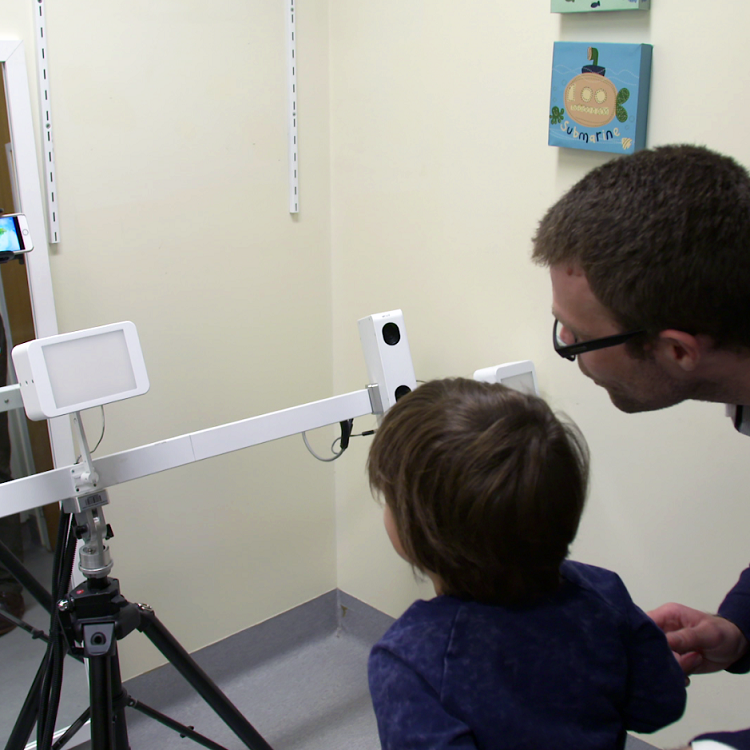
Eye-tracking could expedite autism identification/diagnosis through standardisation and objectivity. We tested whether Gazefinder autism assessment, with Classification Algorithm derived from gaze fixation durations, would have good accuracy (area under the curve [AUC] ≥ 0.80) to differentiate 2-4-year-old autistic from non-autistic children.
Approximately 8% of all children experience developmental and mental health conditions. Similarities in characteristics across neurodevelopmental conditions-such as difficulties in communication and language, social interaction, motor coordination, attention, activity regulation, behavior, mood, and sleep-make it challenging to attribute these characteristics exclusively to specific diagnoses and assessments. The purpose of this study was to identify symptomatic domains across neurodevelopmental conditions in children and to explore dimension reduction for transdiagnostic assessment.
Alexithymia—a trait characterized by difficulties in emotion processing—is of high interest in the autism field. However, the lack of validated alexithymia measures for autistic individuals limits progress. This study aimed to address this gap by examining the psychometric properties of the Perth Alexithymia Questionnaire (PAQ) across autistic and non-autistic samples. Using the PAQ, we investigated how alexithymia manifests in autistic individuals and its links with poor mental health outcomes (anxiety).
This study aimed to understand how parents describe the most challenging behaviors exhibited by their children diagnosed with autism and/or ADHD, how those behaviours impact their family, and whether challenges are directly related to the core characteristics of these conditions.
Autism spectrum disorder (ASD), a neurodevelopmental condition characterised by social and communication differences, is complex and aetiologically heterogeneous. Untargeted metabolomics is emerging as a tool in screening for biochemical abnormalities. This research was conducted using the Australian Autism Biobank resource and involved analysis of plasma metabolites to characterise metabolite differences between autistic children and controls.
The placebo effect is established in clinical trials, but for paediatric research, questions remain about how to best manage its influence. Within the autism field, data on these issues is sparse. This is particularly important in the oxytocin field where placebo responses are thought to play an important role. This study reports on data from the single-blind, placebo lead-in phase of a randomised controlled trial to investigate the placebo response and its relationship to treatment response in autistic children.