
Search
In recent years, a small number of people with rare diseases caused by unique genetic variants have been treated with therapies developed specifically for them. This pioneering field of genetic N-of-1 therapies is evolving rapidly, giving hope for the individualized treatment of people living with very rare diseases.
PICOBOO is a randomised, adaptive trial evaluating the immunogenicity, reactogenicity, and safety of COVID-19 booster strategies. We report data for second boosters among individuals 50-<70 years old primed with AZD1222 (50-<70y-AZD1222) until Day 84.
SETBP1 Haploinsufficiency Disorder (SETBD) is characterised by mild to moderate intellectual disability, speech and language impairment, mild motor developmental delay, behavioural issues, hypotonia, mild facial dysmorphisms, and vision impairment. Despite a clear link between SETBP1 mutations and neurodevelopmental disorders the precise role of SETBP1 in neural development remains elusive.
There are few options for patients with relapse/refractory B-cell acute lymphoblastic leukemia, thus this is a major area of unmet medical need. Here, we reveal that inclusion of a poison exon in RBM39, which could be induced both by CDK9 or CDK9 independent CMGC (cyclin-dependent kinases, mitogen-activated protein kinases, glycogen synthase kinases, CDC-like kinases) kinase inhibition, is recognized by the nonsense-mediated mRNA decay pathway for degradation.
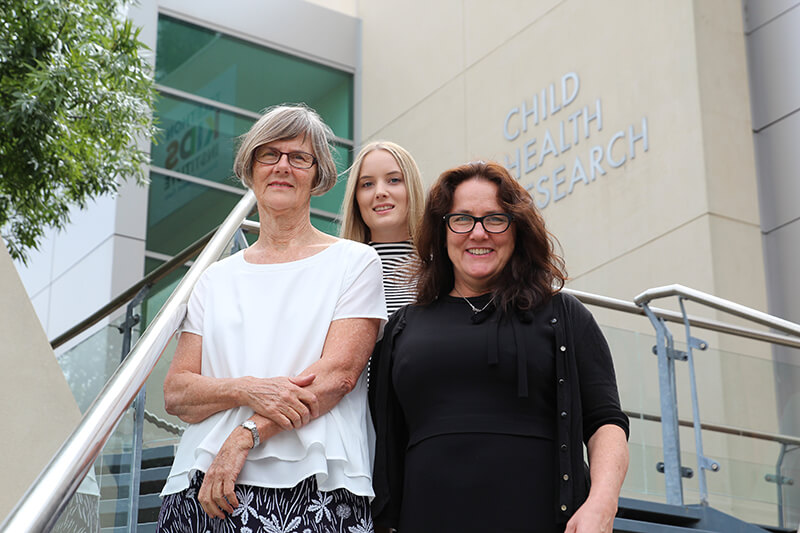
Nine out of ten incarcerated youth examined by The Kids researchers as part of a ground-breaking study had some form of neuro-disability.
The Kids Research Institute Australia researchers have confirmed that skin infections in many Aboriginal children across northern Western Australia are going unrecognised.
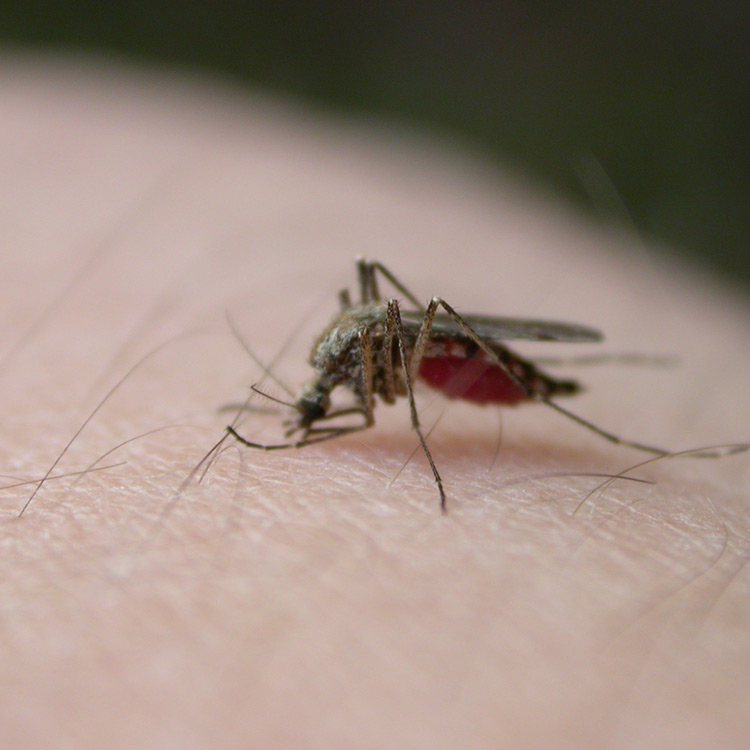
WA Researchers have conducted an Australian-first study to determine the prevalence of microcephaly, in preparation of any future outbreak of the Zika virus.
The aim of this study was to devise an evidence-based missing data rule for the Quality of Life Inventory-Disability (QI-Disability) questionnaire specifying how many missing items are permissible for domain and total scores to be calculated using simple imputation.
Respiratory viruses are increasingly detected in children with community-acquired pneumonia but prevalence estimates vary substantially. We aimed to systematically review and pool estimates for 22 viruses commonly associated with community-acquired pneumonia.
Using over 50 thousand time-use diaries from two cohorts of children, we document significant gender differences in time allocation in the first 16 years in life. Relative to males, females spend more time on personal care, chores and educational activities and less time on physical and media related activities. These gender gaps in time allocation appear at very young ages and widen overtime.