
Search
Siblings of children with neurodevelopmental conditions have unique experiences and challenges related to their sibling role. Some develop mental health concerns as measured by self-reported surveys or parent report. Few data are available at the population level, owing to difficulties capturing wide-scale health data for siblings. Data linkage is a technique that can facilitate such research.
Quantifying the extent to which previous infections and vaccinations confer protection against future infection or disease outcomes is critical to managing the transmission and consequences of infectious diseases. We present a general statistical model for predicting the strength of protection conferred by different immunising exposures (numbers, types, and strains of both vaccines and infections), against multiple outcomes of interest, whilst accounting for immune waning.
Non-suicidal self-injury (NSSI) is particularly common among trans young people. NSSI is most commonly used as an emotion regulation strategy, which may explain the high prevalence of the behavior among trans young people, who often experience unique stressors. In the current study we test an application of the Pantheoretical Framework of Dehumanization, in which transphobic experiences, body surveillance, body dissatisfaction, and gender dysphoria are all theorized to predict NSSI.
Food retail and food service outlets can be part of a chain, or independently operated. Chain food outlets are likely to have the most influence over community food environments but have not been routinely identified in studies which map and monitor access to food, highlighting an important knowledge gap. This study aimed to identify the food retail and food service outlets present within metropolitan Perth, including presence of chain and independent food outlets; and examine differences across local governments.
Since its emergence in 1968, influenza A H3N2 has caused yearly epidemics in temperate regions. While infection confers immunity against antigenically similar strains, new antigenically distinct strains that evade existing immunity regularly emerge ('antigenic drift'). Immunity at the individual level is complex, depending on an individual's lifetime infection history.
Understanding the geospatial distribution of influenza infection and the risk factors associated with infection clustering can inform targeted preventive interventions. We conducted a geospatial analysis to investigate the spatial patterns and identify drivers of medically attended influenza infection across all age groups in Western Australia.
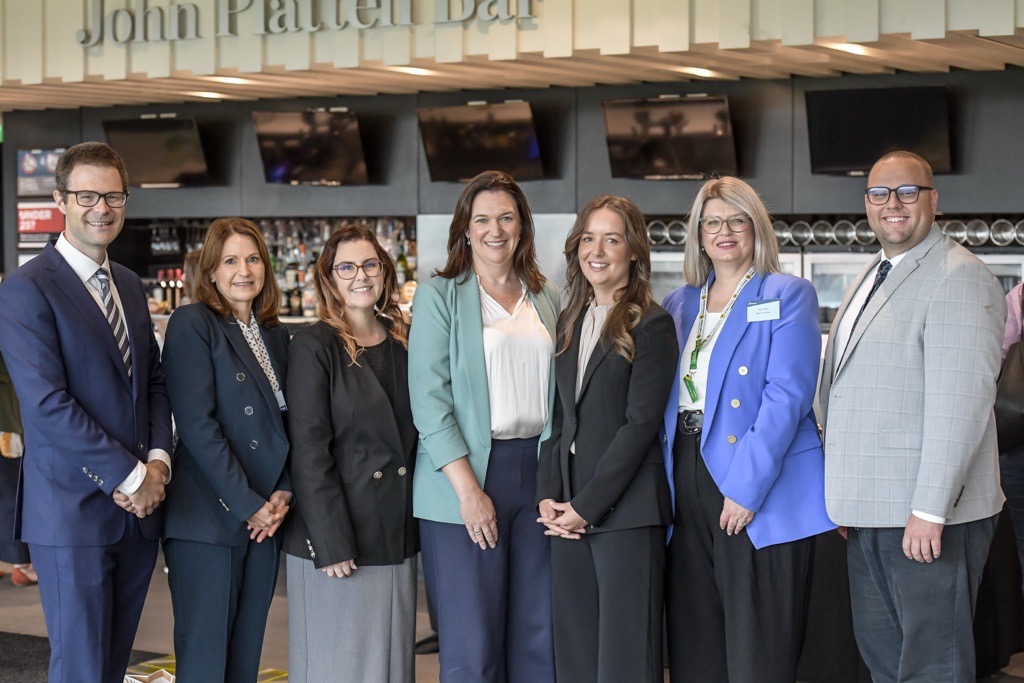
South Australian families with babies showing early social and communication differences will be among the first to benefit from a nation-leading early support program, as The Kids Research Institute Australia’s Inklings Program officially launches in South Australia.
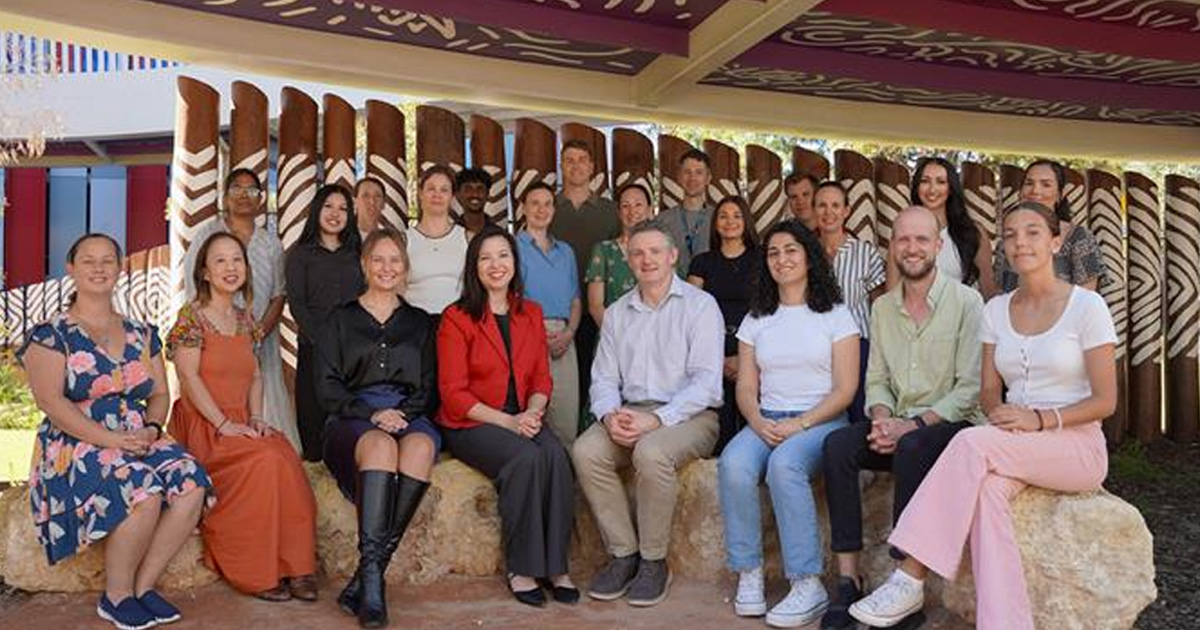
The Kids Research Institute Australia's Brain Tumour Research team will develop and implement cutting-edge technologies to revolutionise the speed of brain cancer diagnosis for WA children, thanks to more than $200,000 from Telethon.
The experience sampling method (ESM) is increasingly used by researchers from various disciplines to answer novel questions about individuals’ daily lives. Measurement best practices have long been overlooked in ESM research, and recent reviews show that item quality is often not reported in ESM studies. The absence of information about item quality may be partly explained by the lack of consensus on how ESM item quality should be evaluated.
Expression of the compact mitochondrial genome is regulated by nuclear encoded, mitochondrially localized RNA-binding proteins (RBPs). RBPs regulate the lifecycles of mitochondrial RNAs from transcription to degradation by mediating RNA processing, maturation, stability and translation. The Fas-activated serine/threonine kinase (FASTK) family of RBPs has been shown to regulate and fine-tune discrete aspects of mitochondrial gene expression.