
Search
Melissa Penny PhD, PD, BSc (Hons) Professor Fiona Stanley Chair in Child Health Research melissa.penny@thekids.org.au Professor Fiona Stanley Chair
Personal protective equipment is essential to protect healthcare workers when exposed to aerosol-generating procedures in patients with airborne respiratory pathogens.
For individuals living with rare neurodevelopmental disorders, particularly those who are at the most severe end of the spectrum, standardized outcome measures may lack the sensitivity to capture small but meaningful changes.
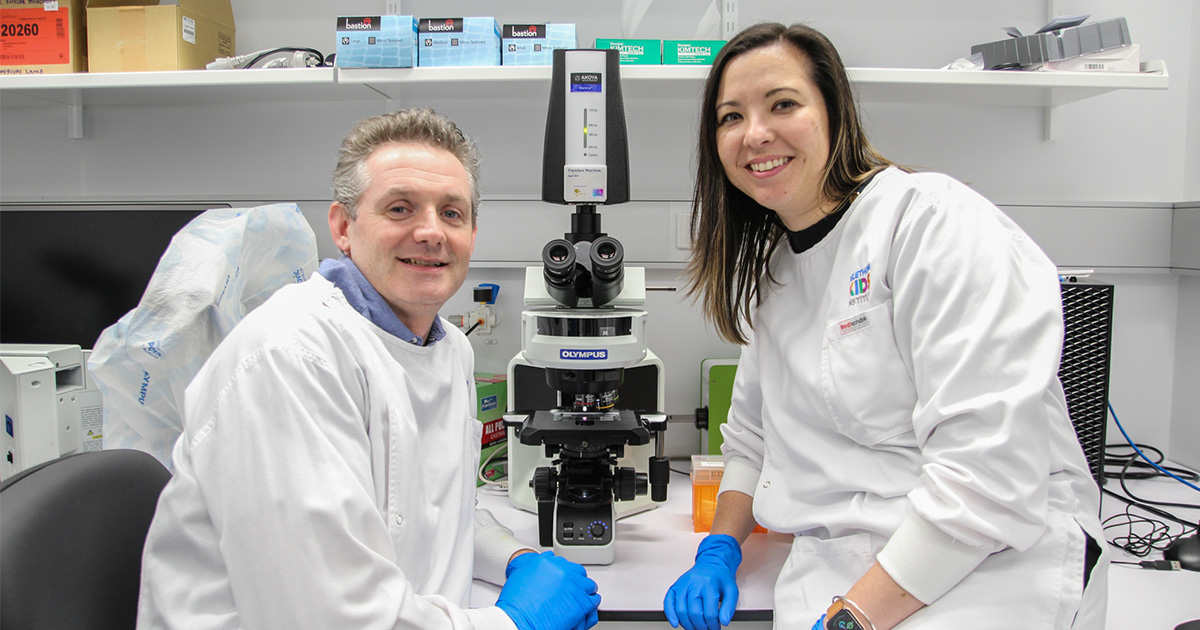
The WA Kids Cancer Centre has secured $1.1 million in funding from the Medical Research Future Fund’s (MRFF) Paediatric Brain Cancer Research Stream 2 to develop more effective and less toxic treatments for rare brain cancers in infants.
Recent studies have shown that PTX is compatible with a wide range of intravenous medicines used in NICU settings2–4; however, the compatibility of PTX with inline intravenous filters or syringe filters used in aseptic compounding facilities has not previously been reported.
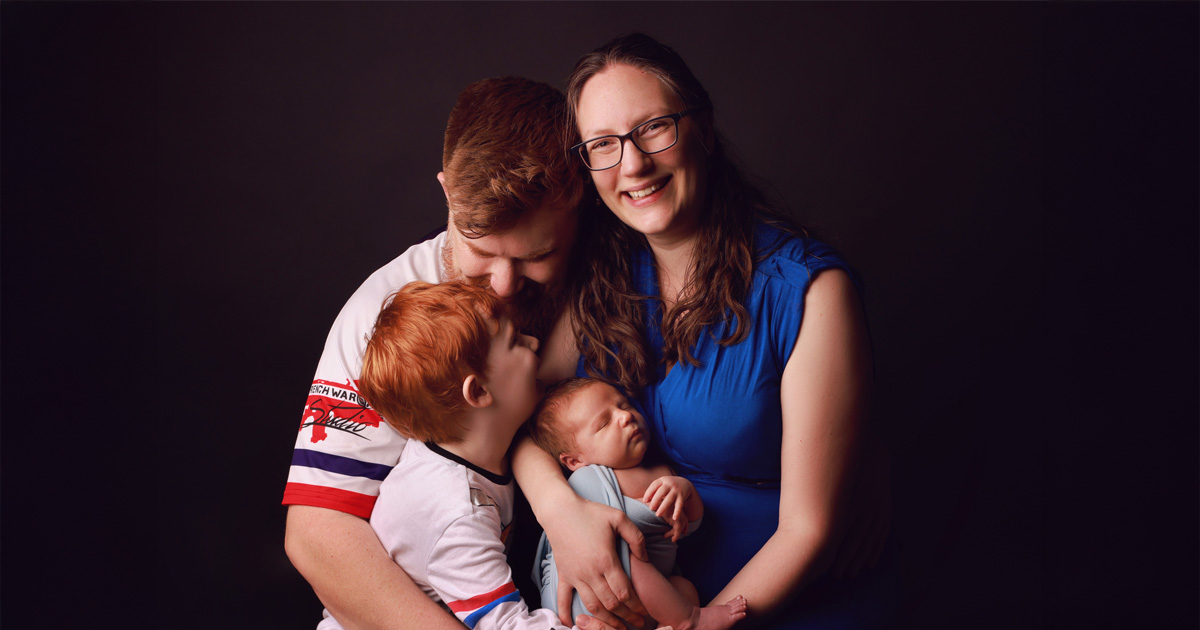
ORIGINS Co-Director, Dr Jackie Davis, collaborated with researchers at The Kids to develop and pilot the Mums Minds Matter study.
Knowing when and where infected mosquitoes bite is required for estimating accurate measures of malaria risk, assessing outdoor exposure, and designing intervention strategies. This study combines secondary analyses of a human behaviour survey and an entomological survey carried out in the same area to estimate human exposure to malaria-infected Anopheles mosquitoes throughout the night in rural villages in south-eastern Tanzania.
Gram-negative bloodstream infections are associated with significant morbidity and mortality in children. Increasing antimicrobial resistance (AMR) is reported globally, yet efforts to track pediatric AMR at a national level over time are lacking.
To evaluate the associations between complex hip surgery and subsequent hospitalizations in children with intellectual disability, including a subset of children with cerebral palsy.
The burden of perinatal mental illness is a significant global concern, affecting approximately 10–20% of women at this stage of life. It is well recognised that Rural Australia has far less health services and mental health specialists per capita than metropolitan regions.